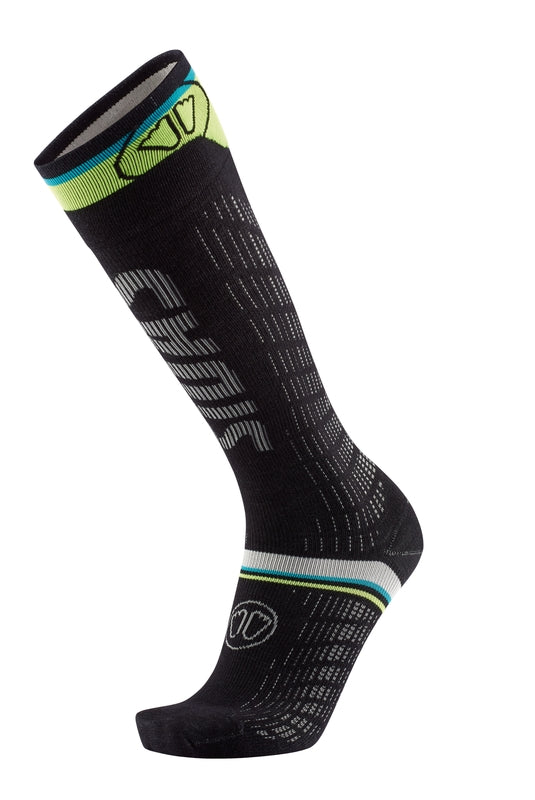
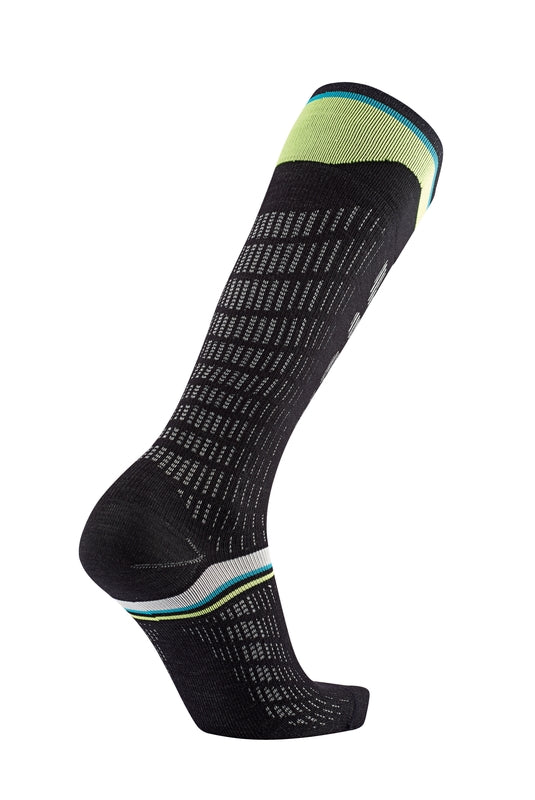
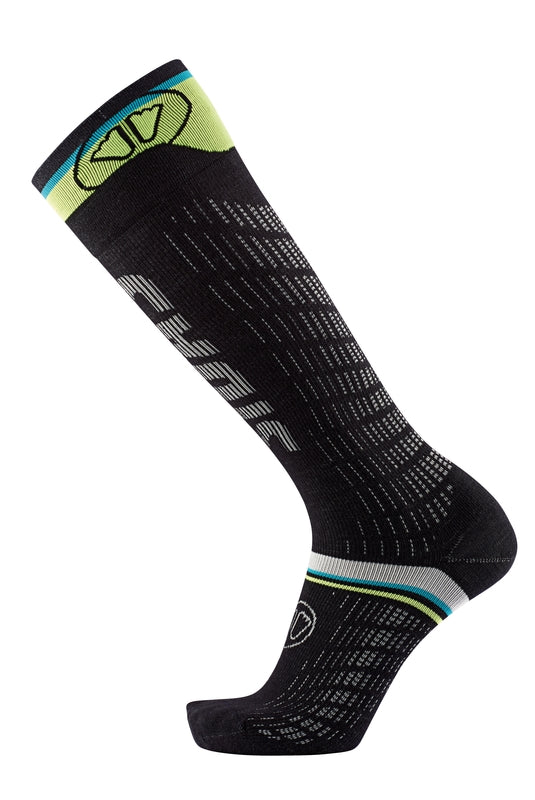
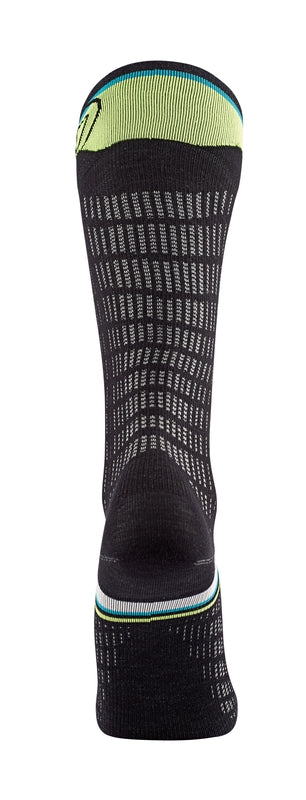
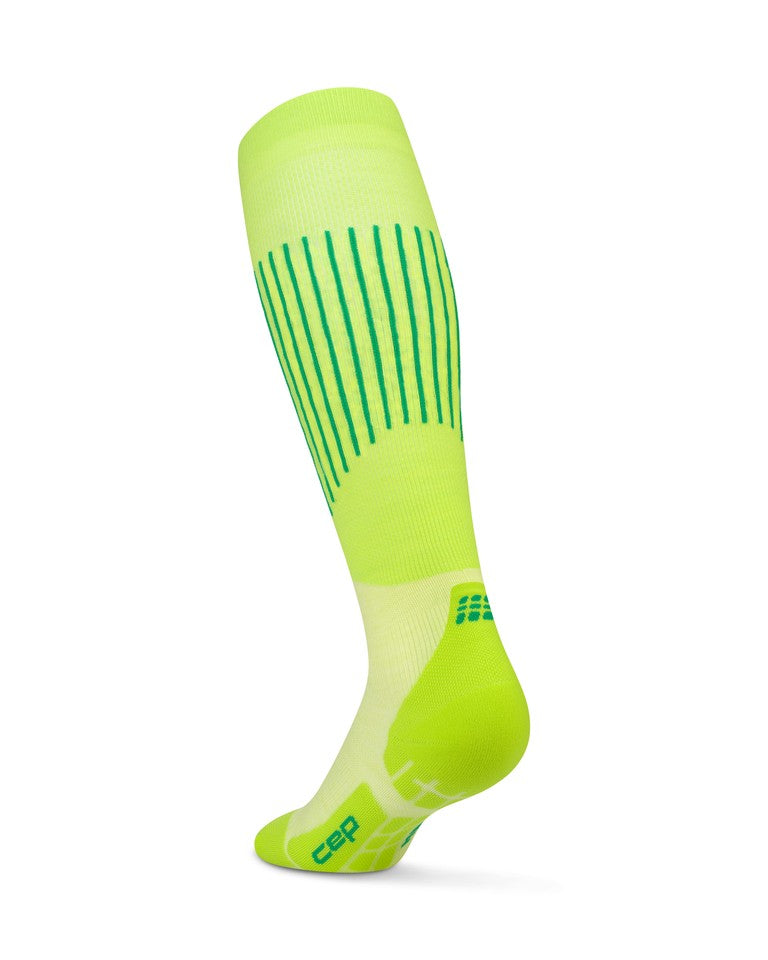
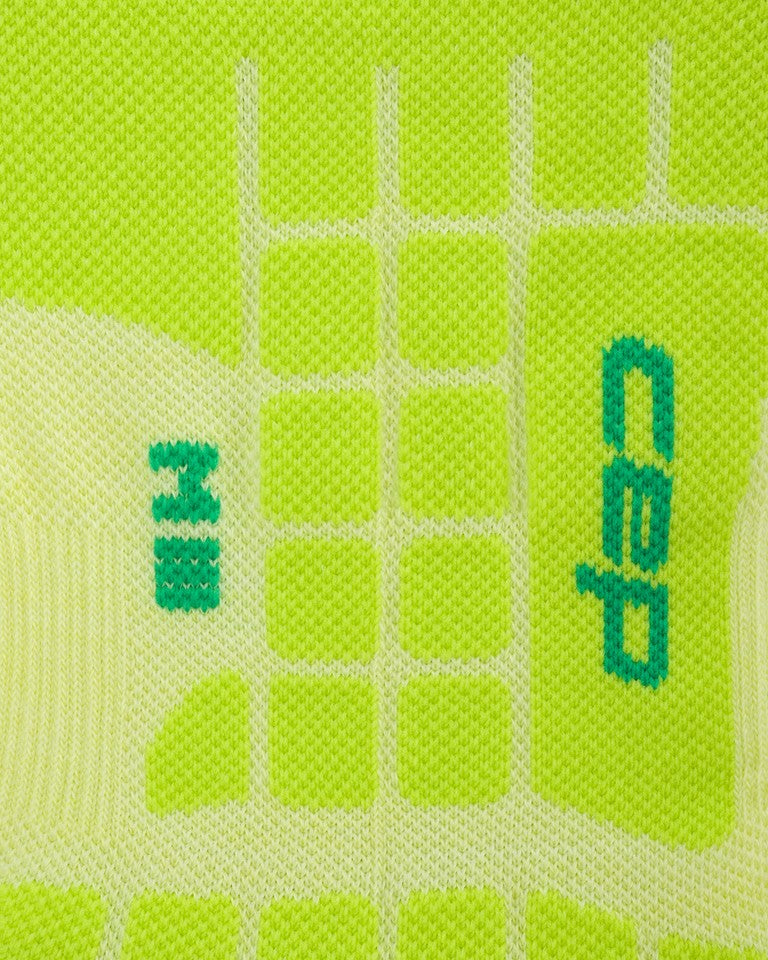
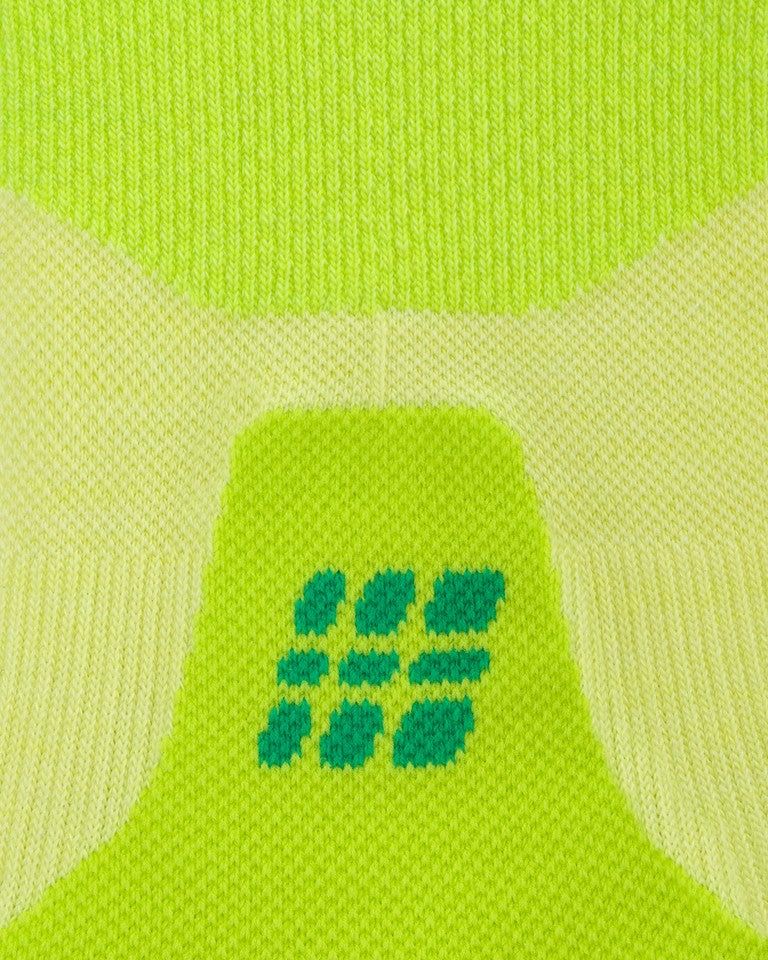
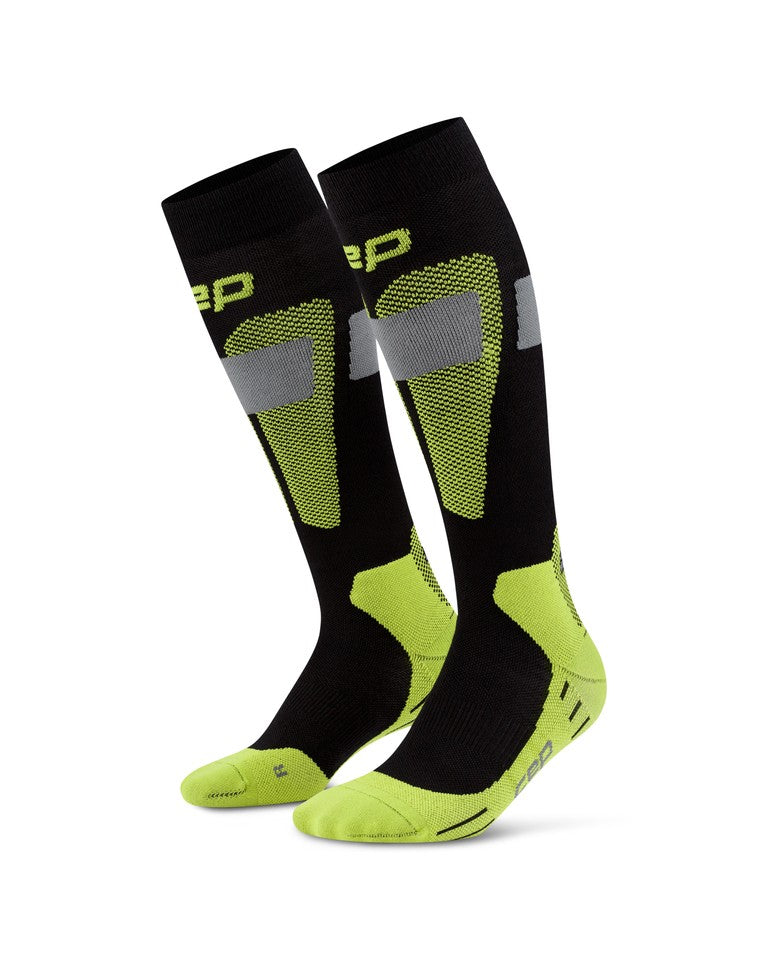
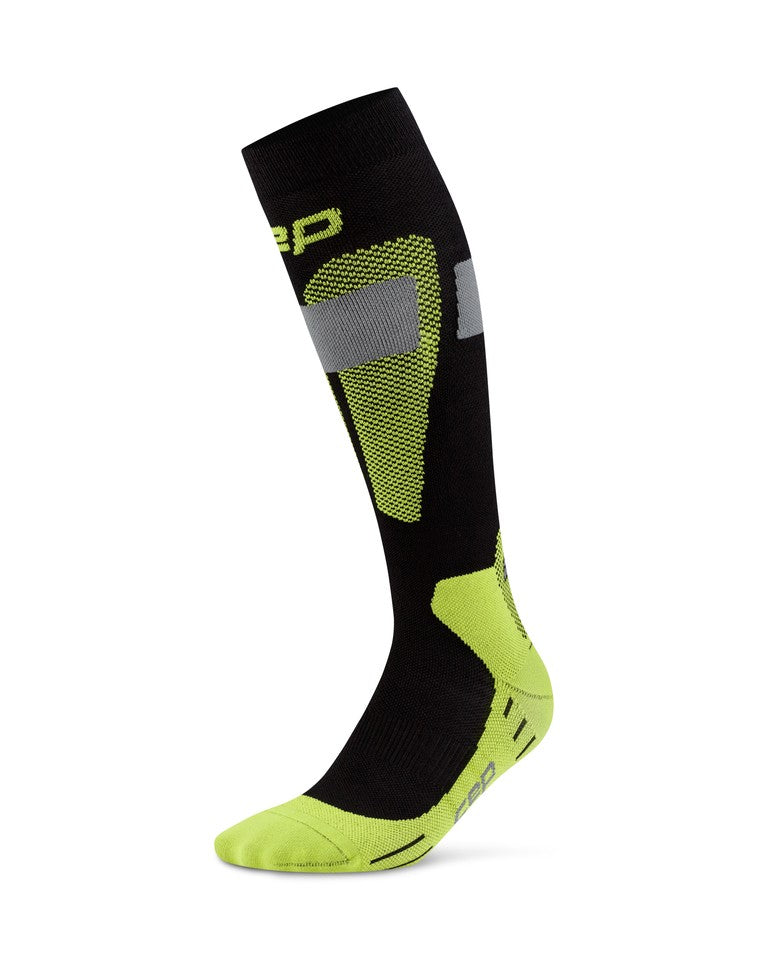
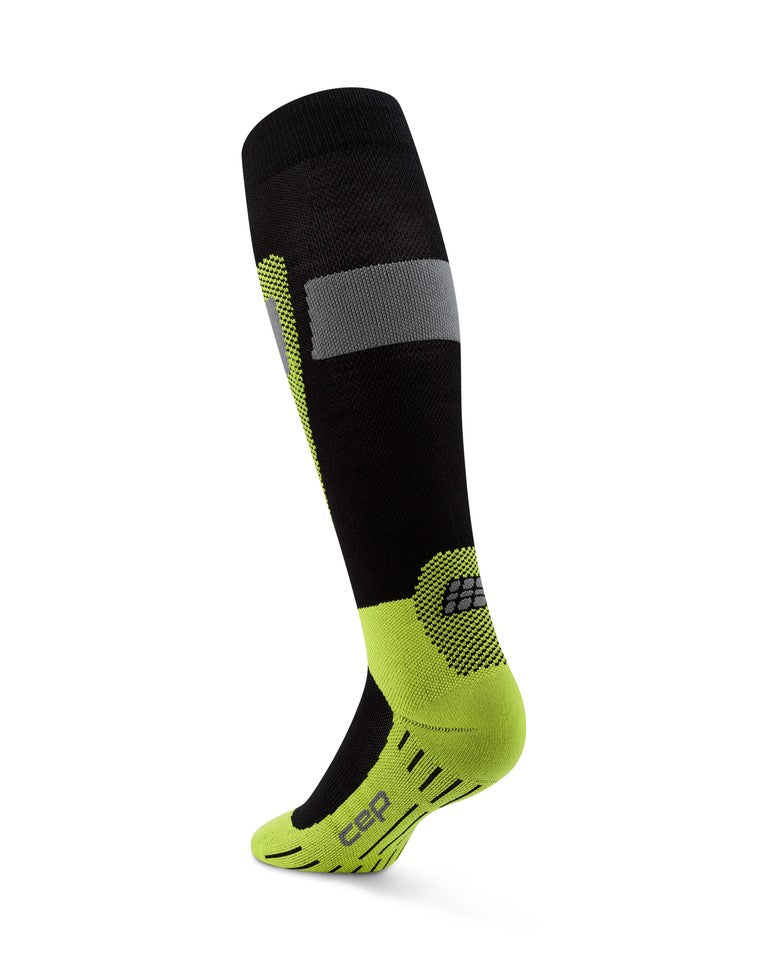
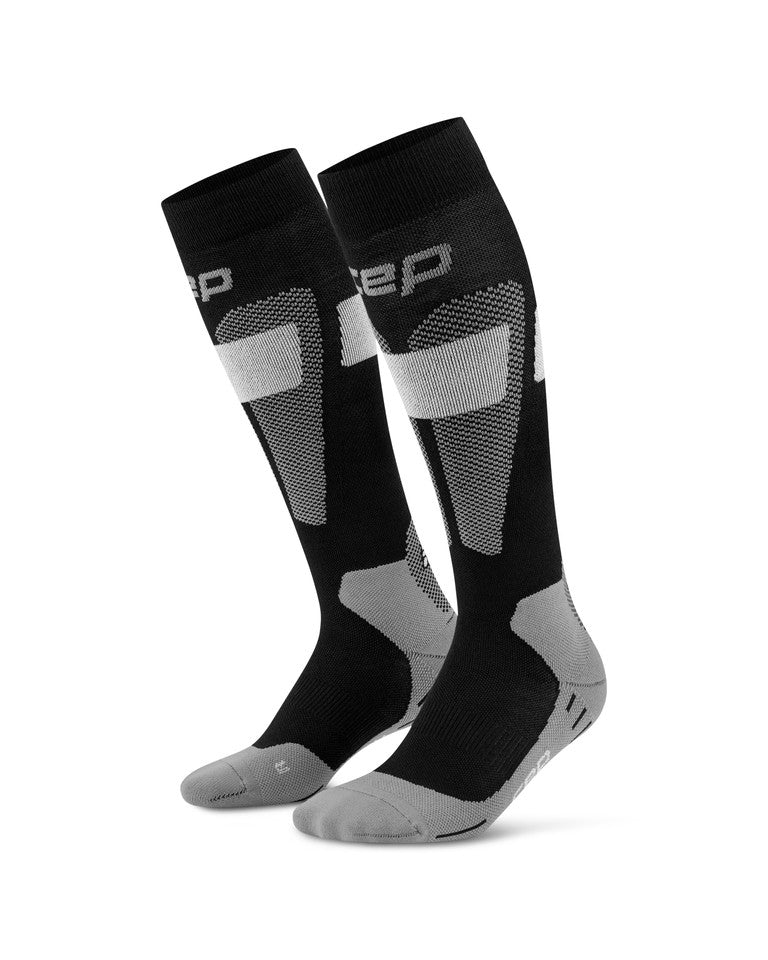
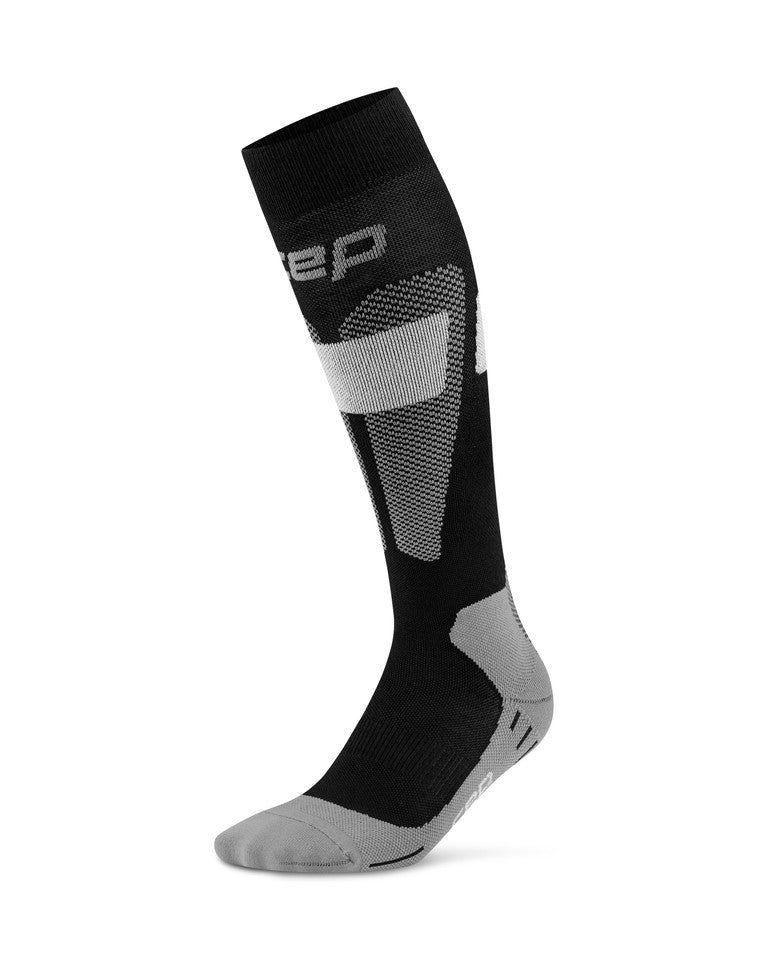
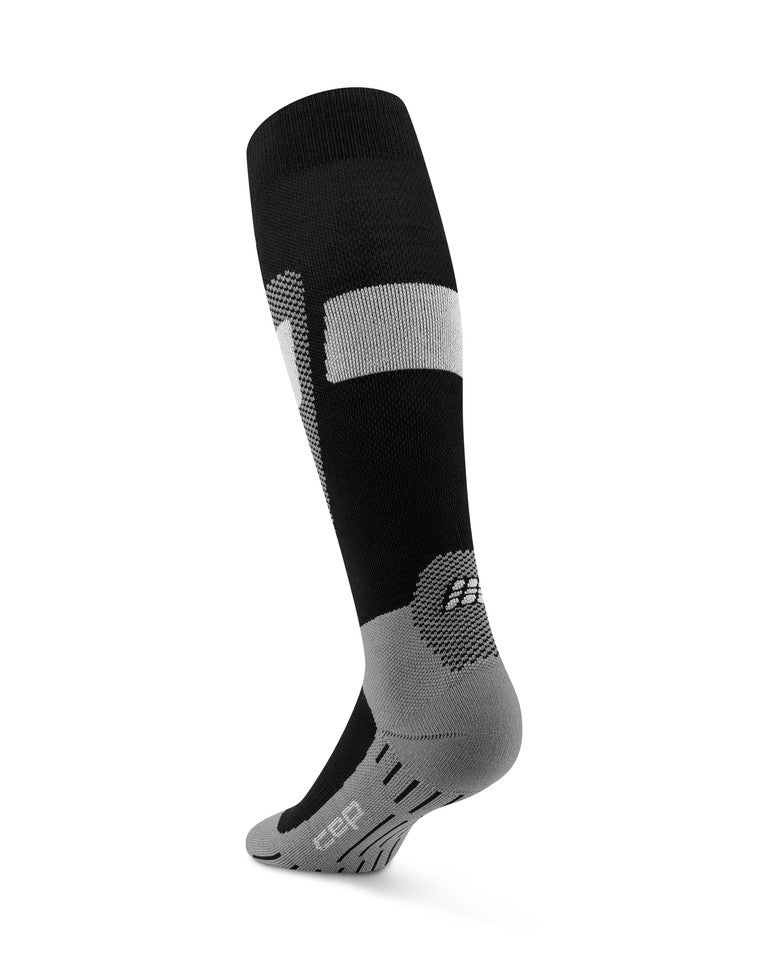
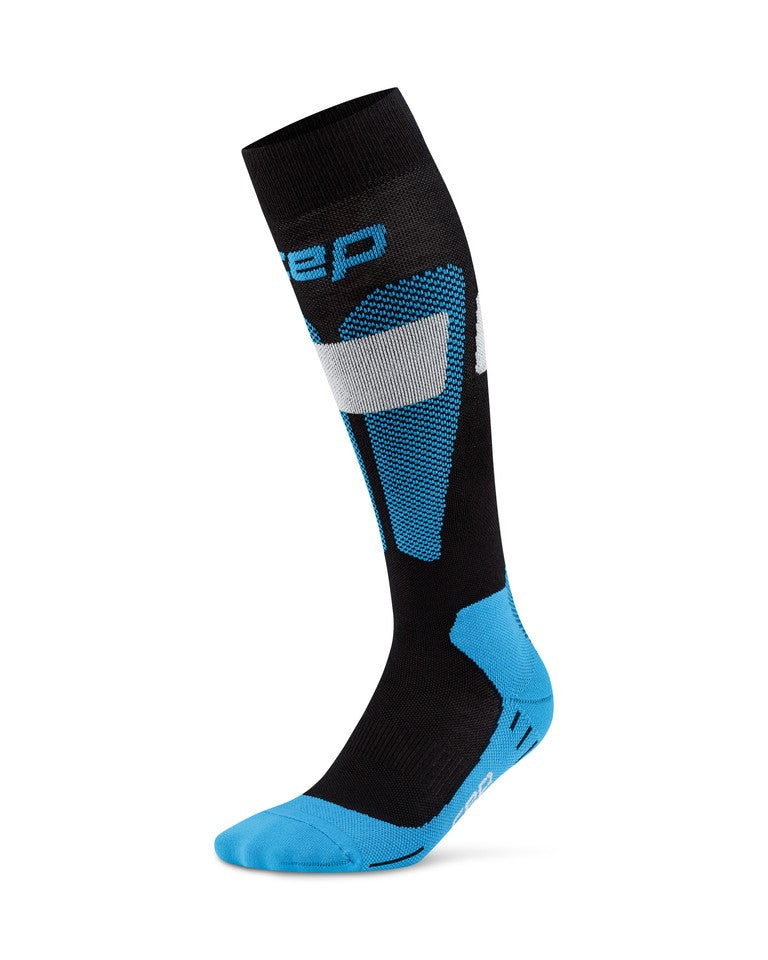
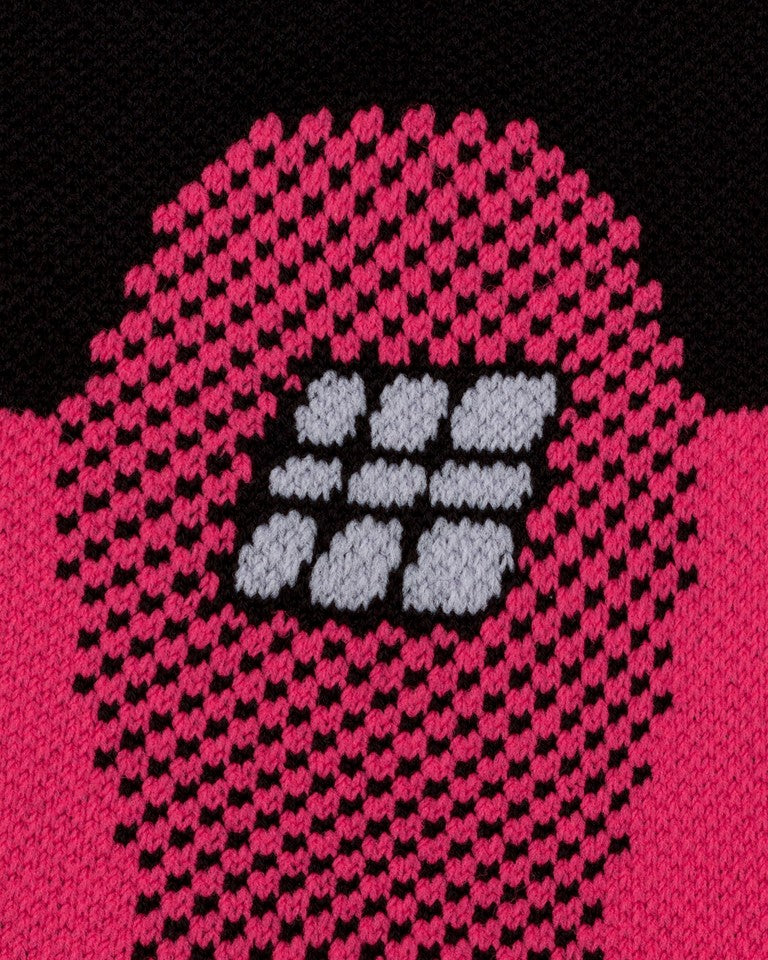
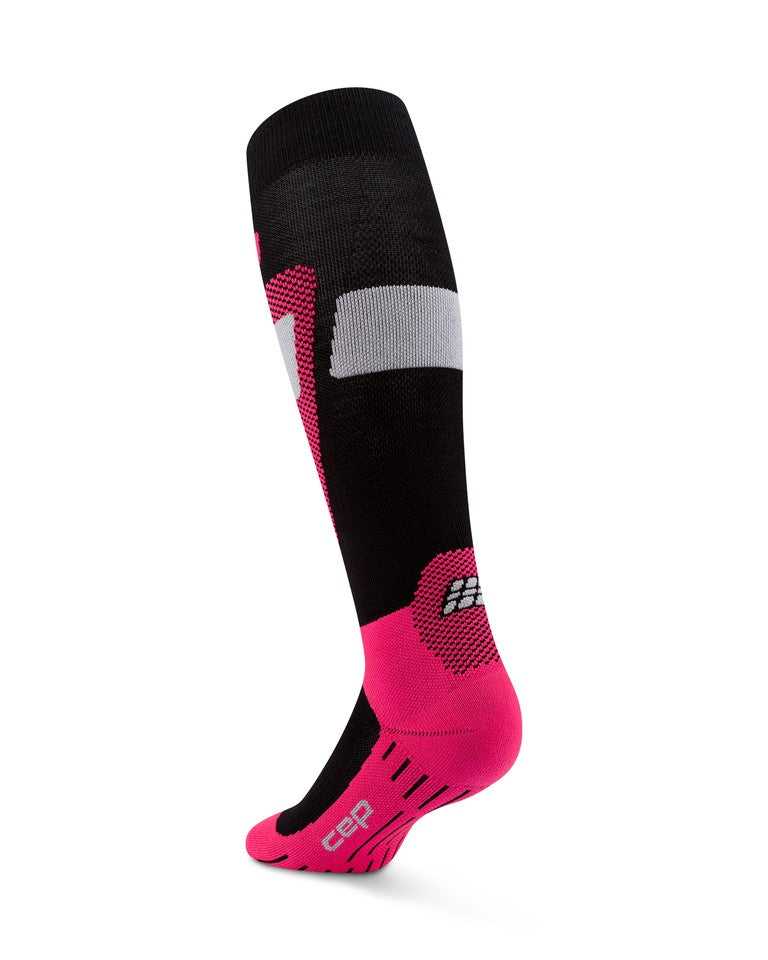
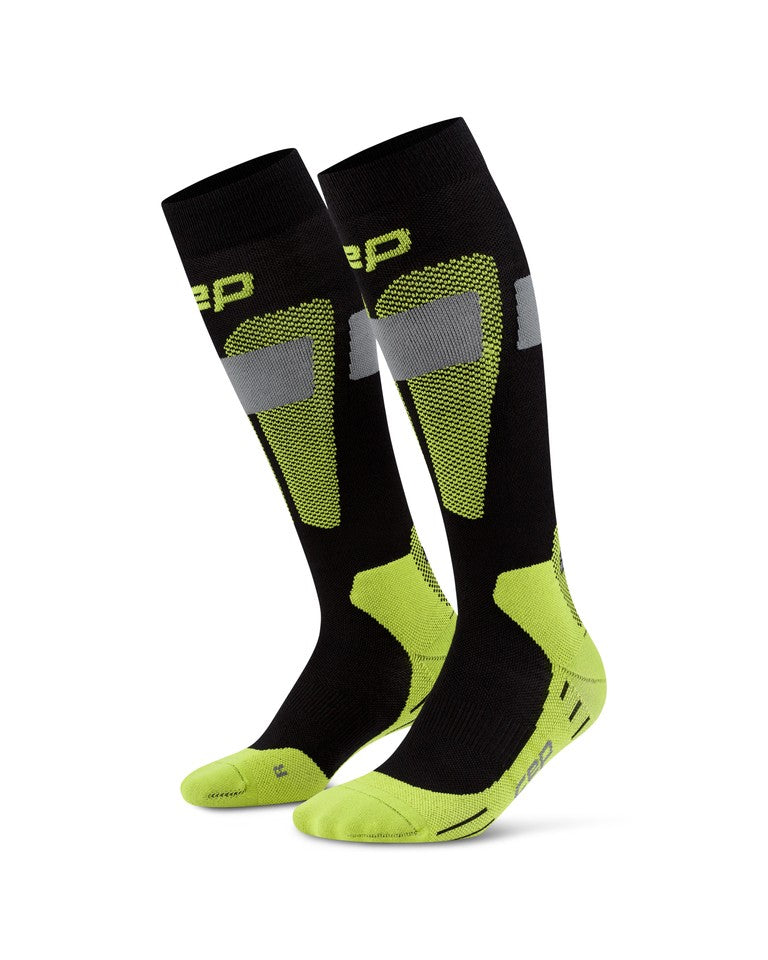
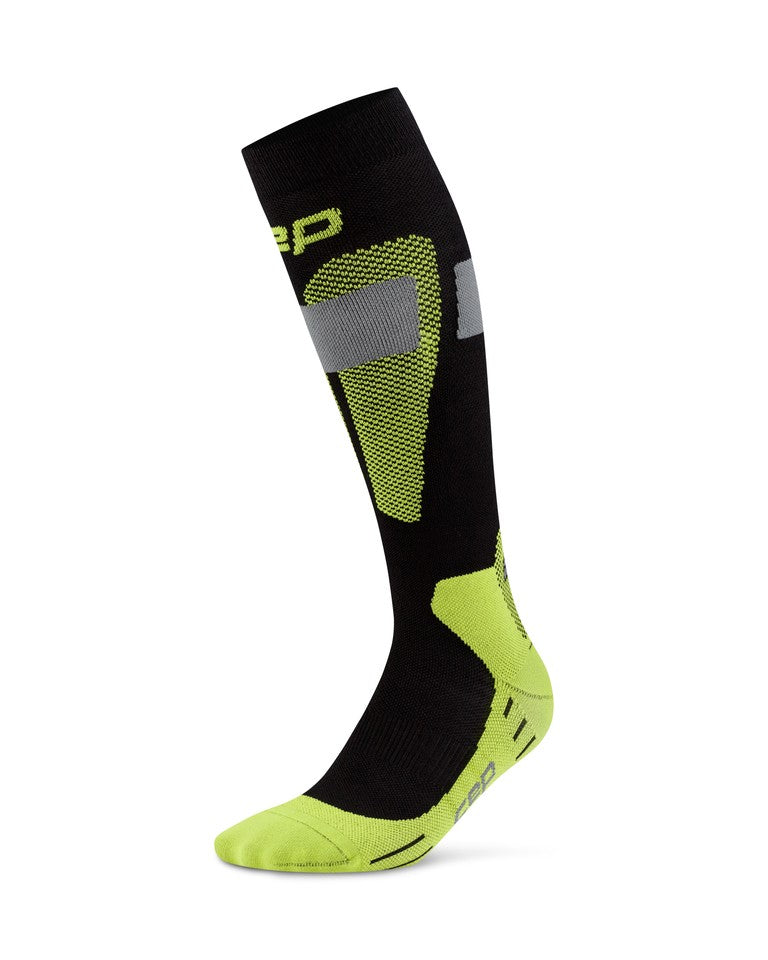
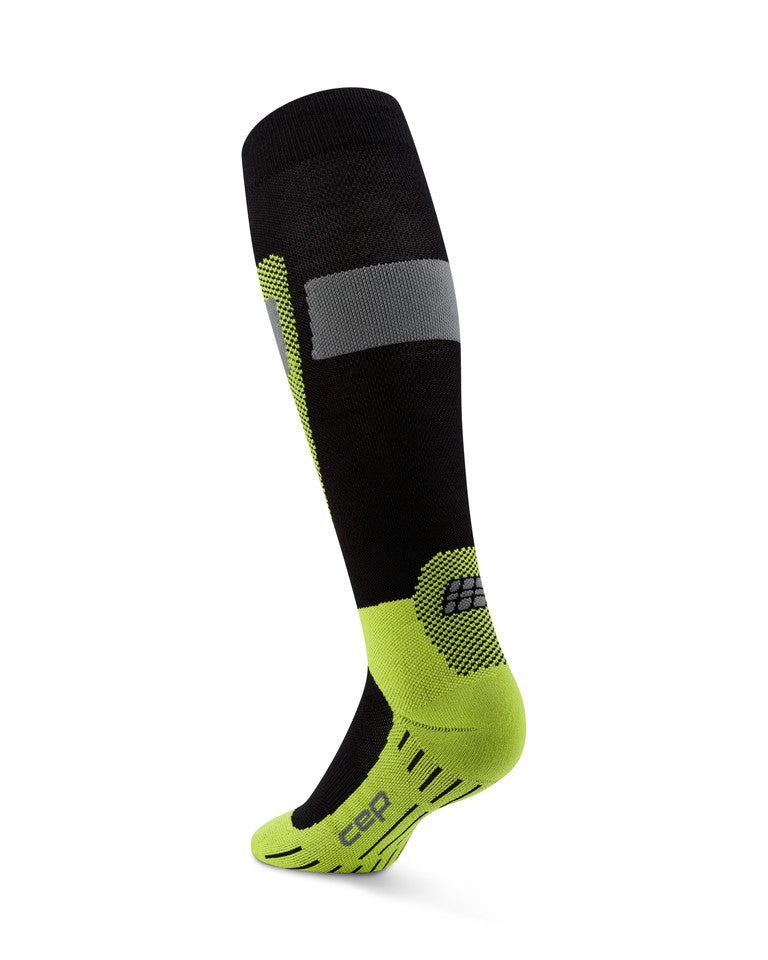
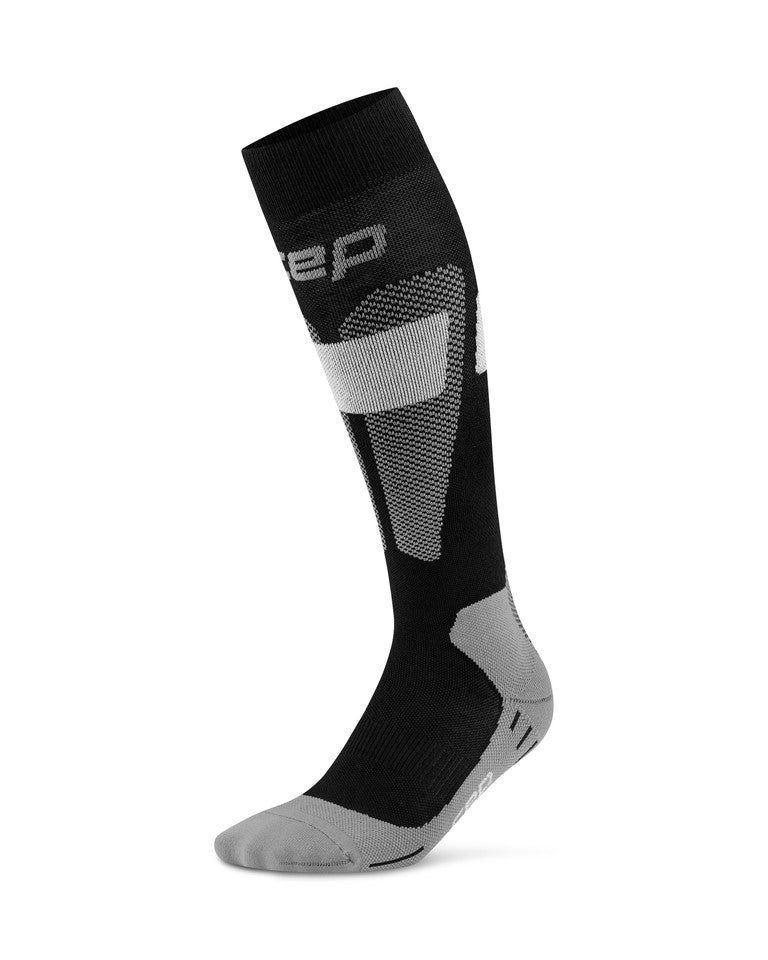
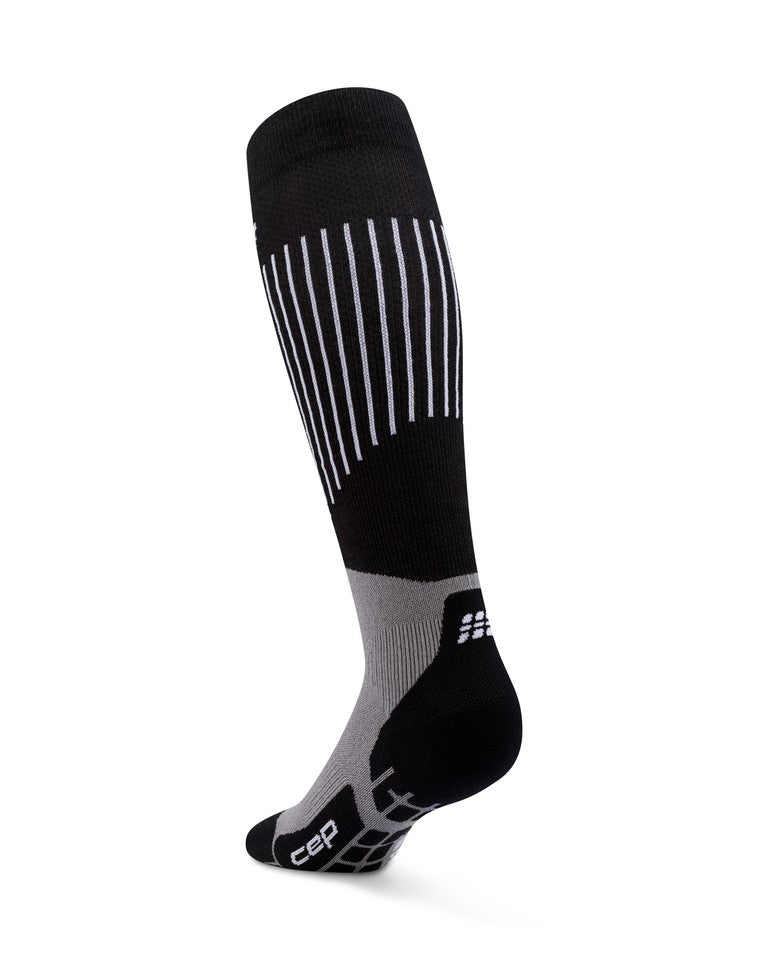
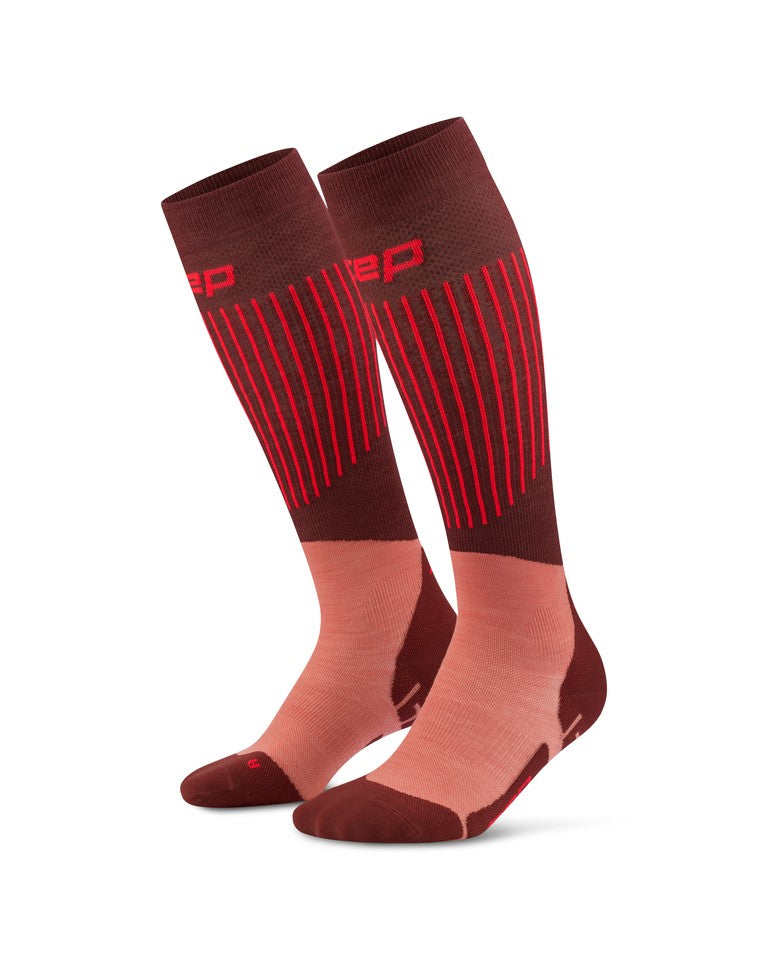
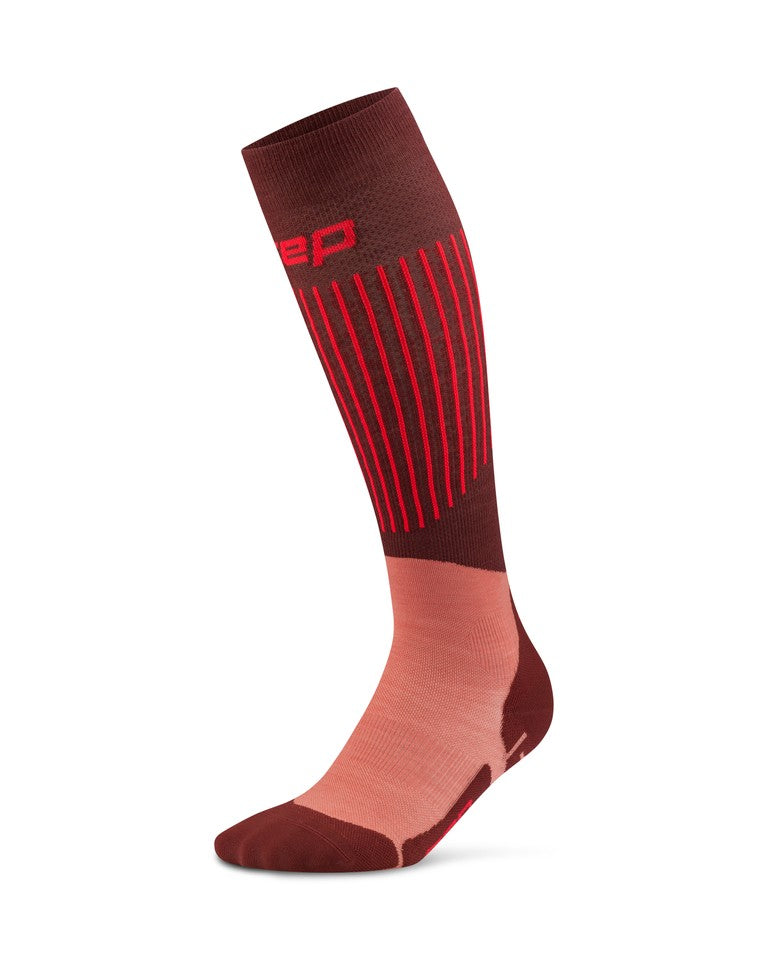
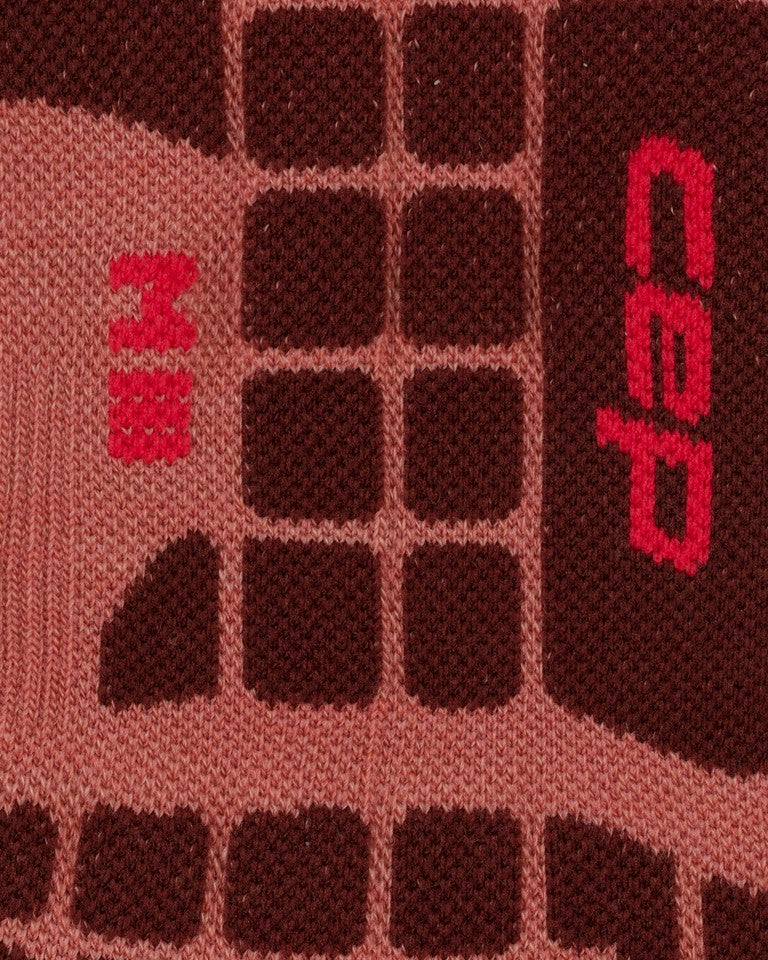
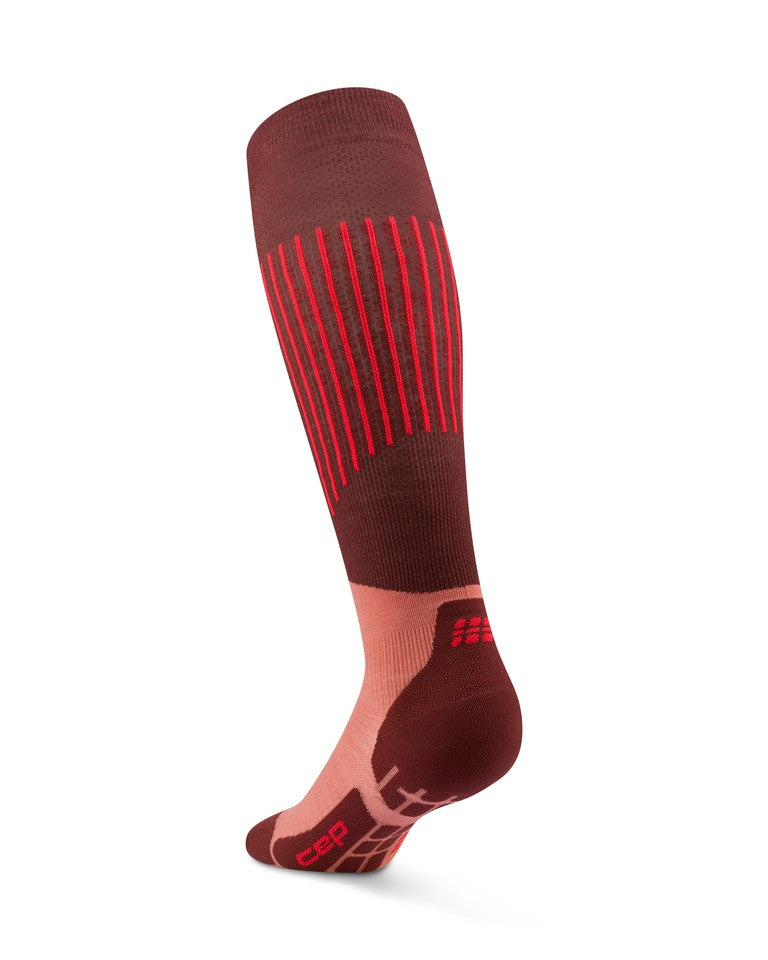
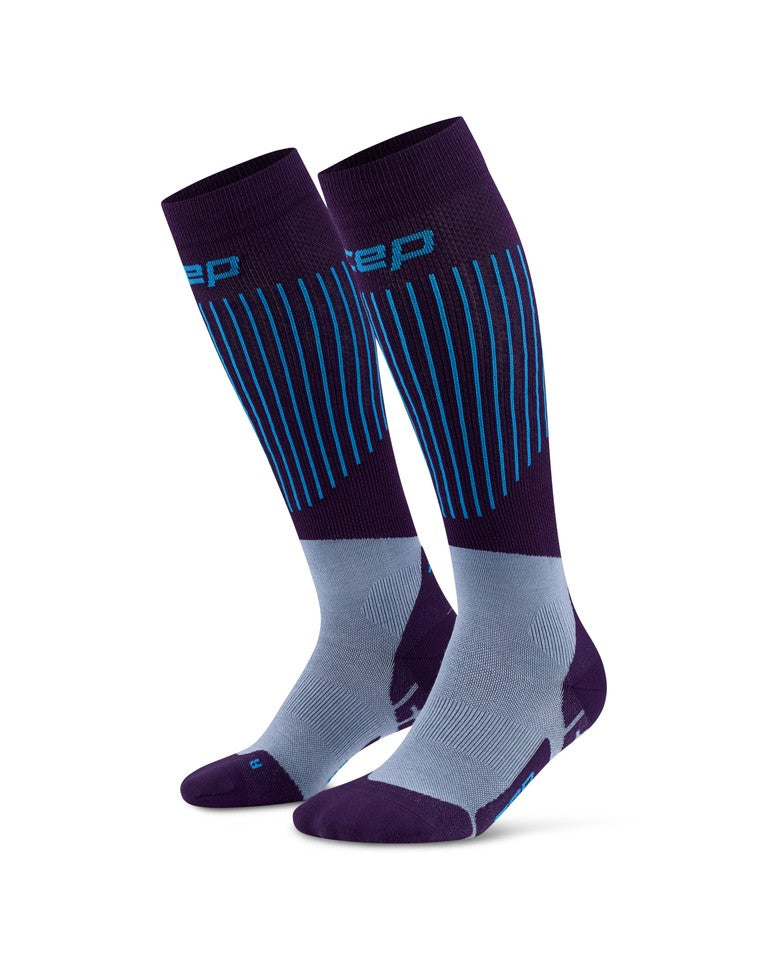
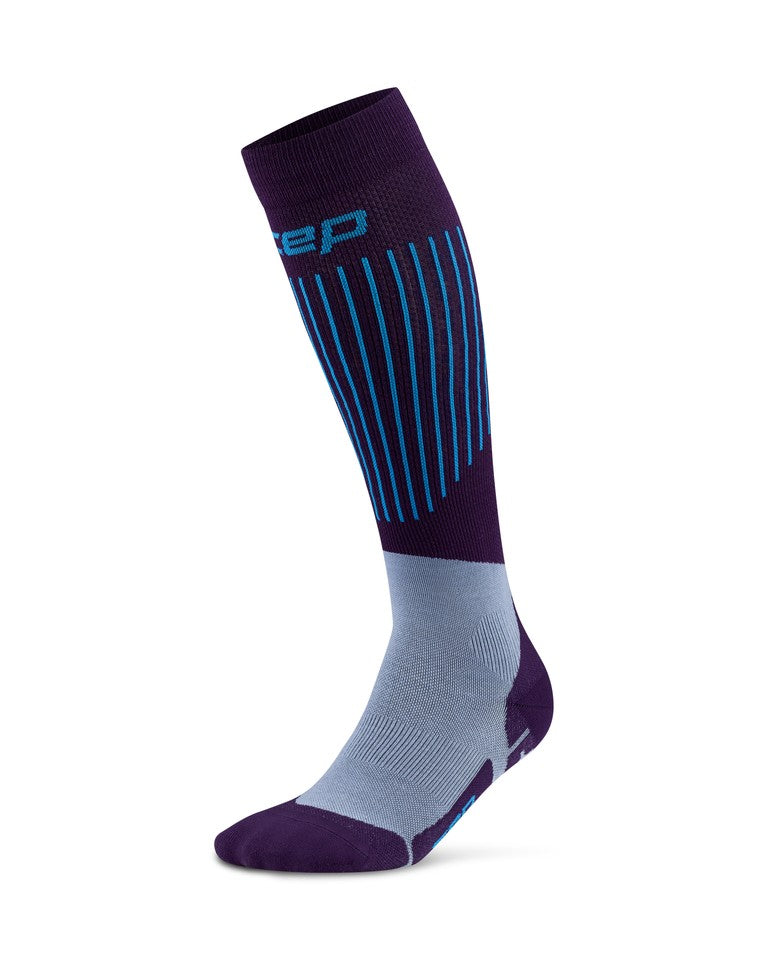
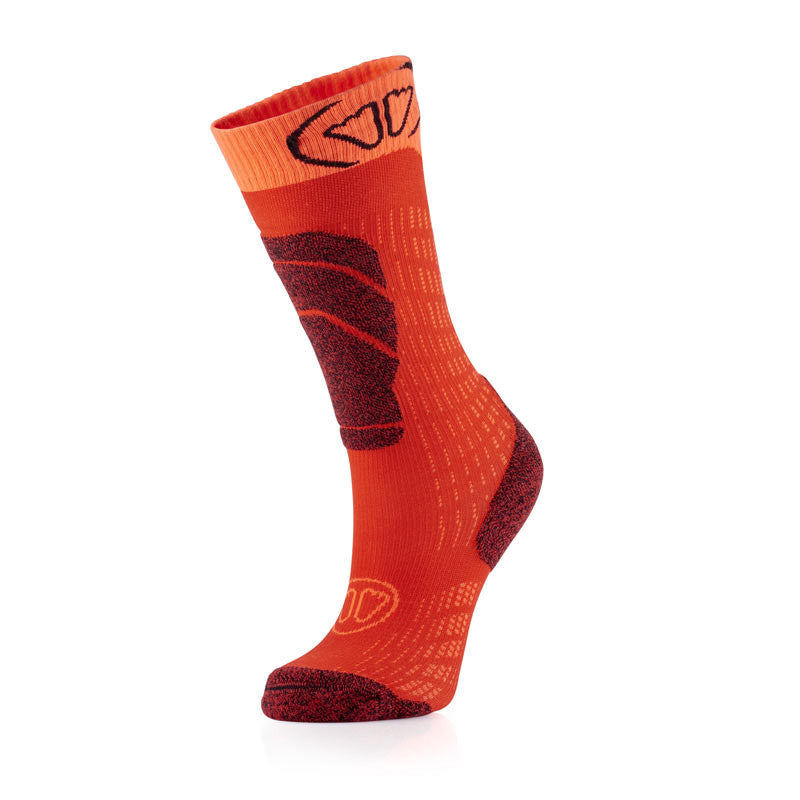
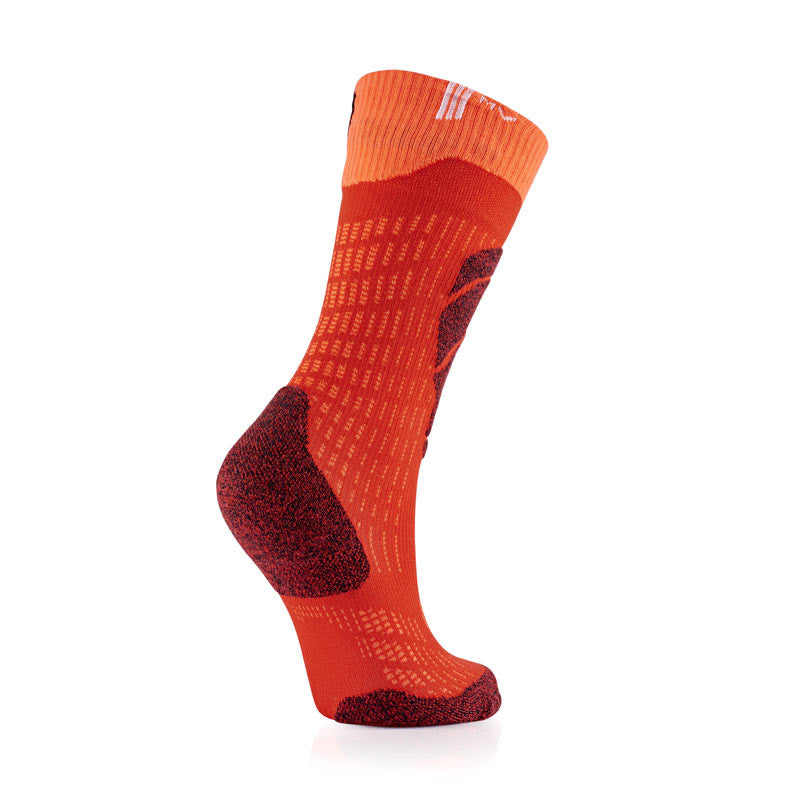
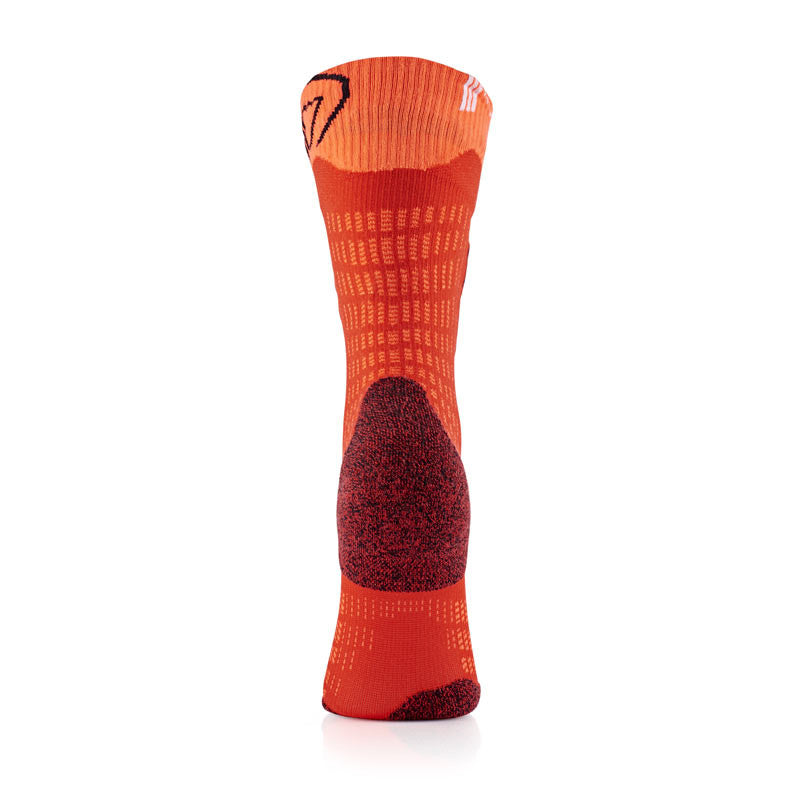
Race & Performance
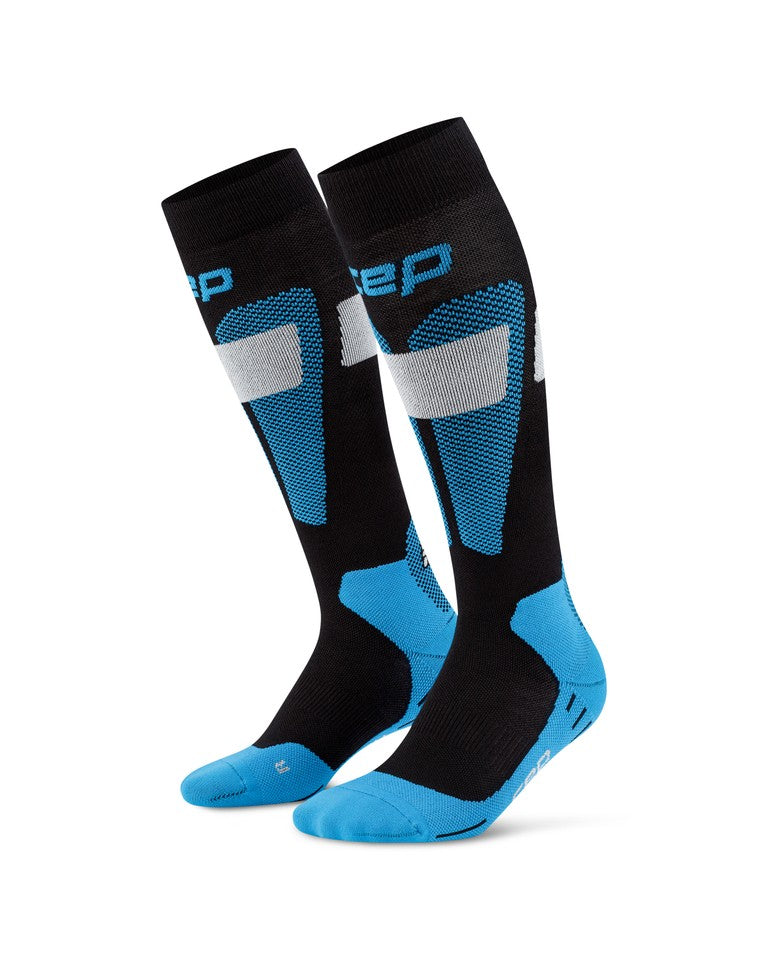
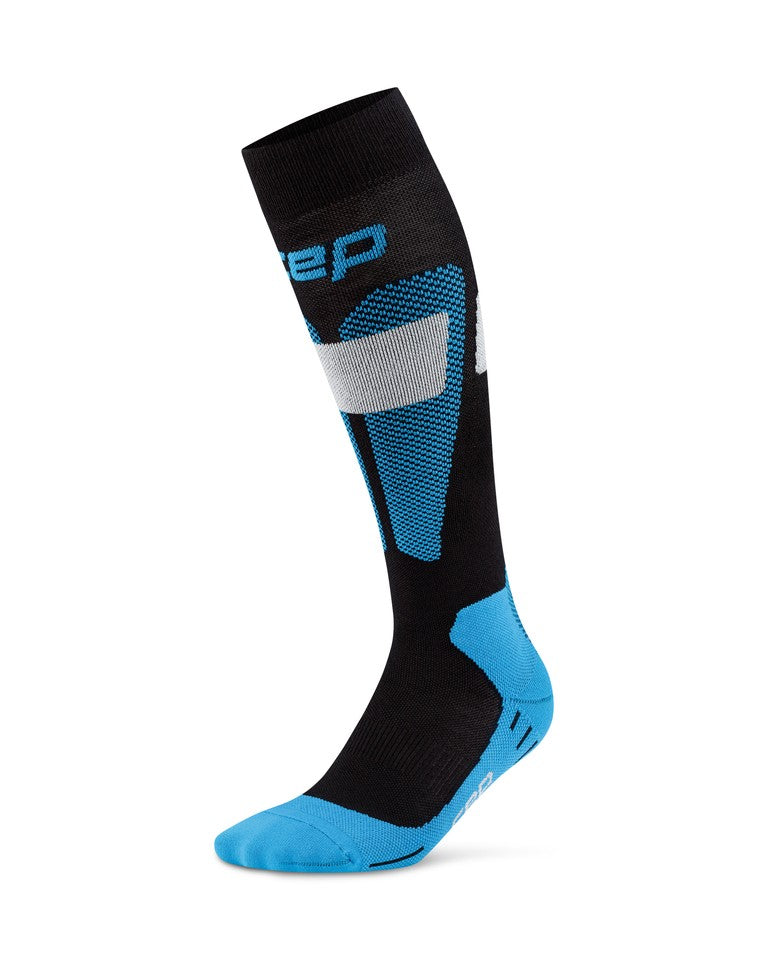
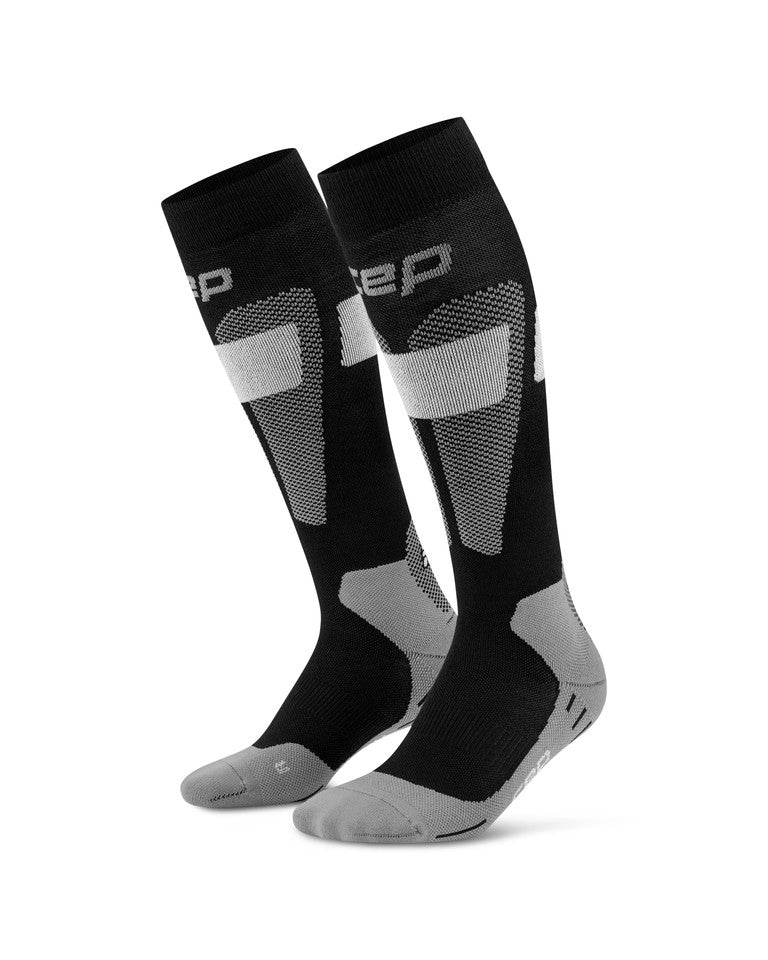
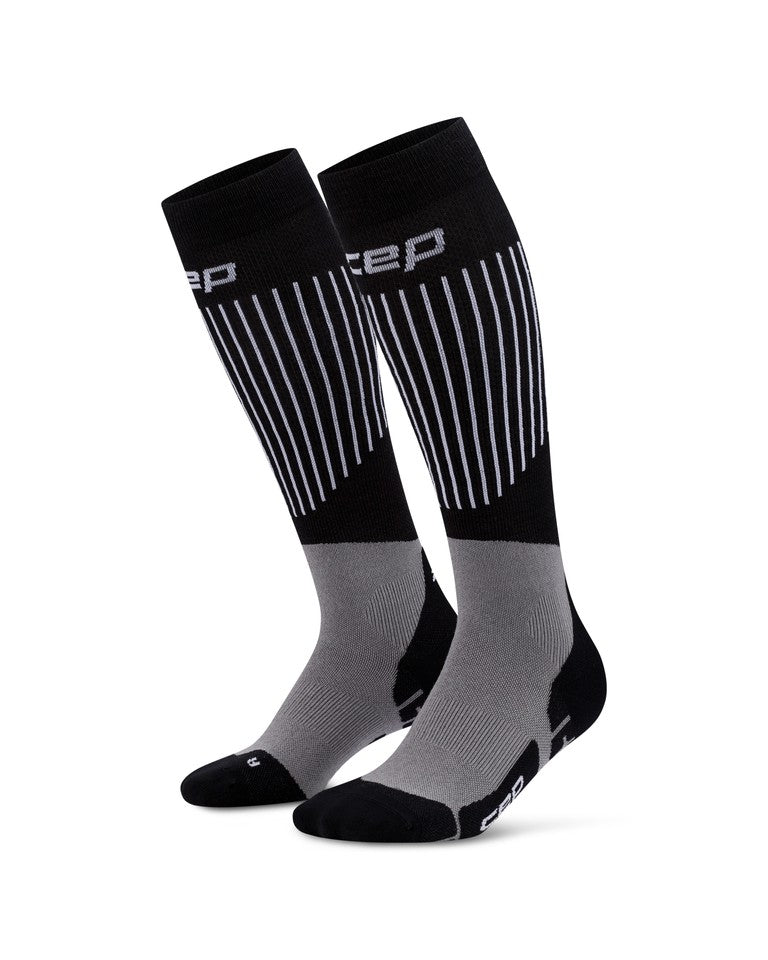
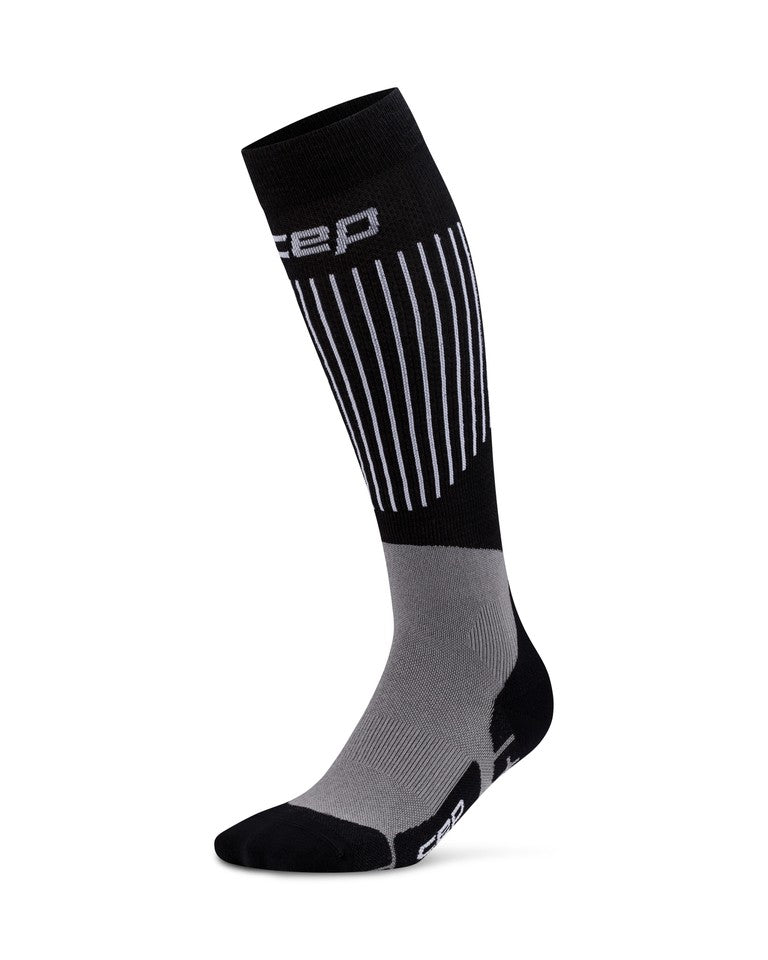
Very Thin & Direct
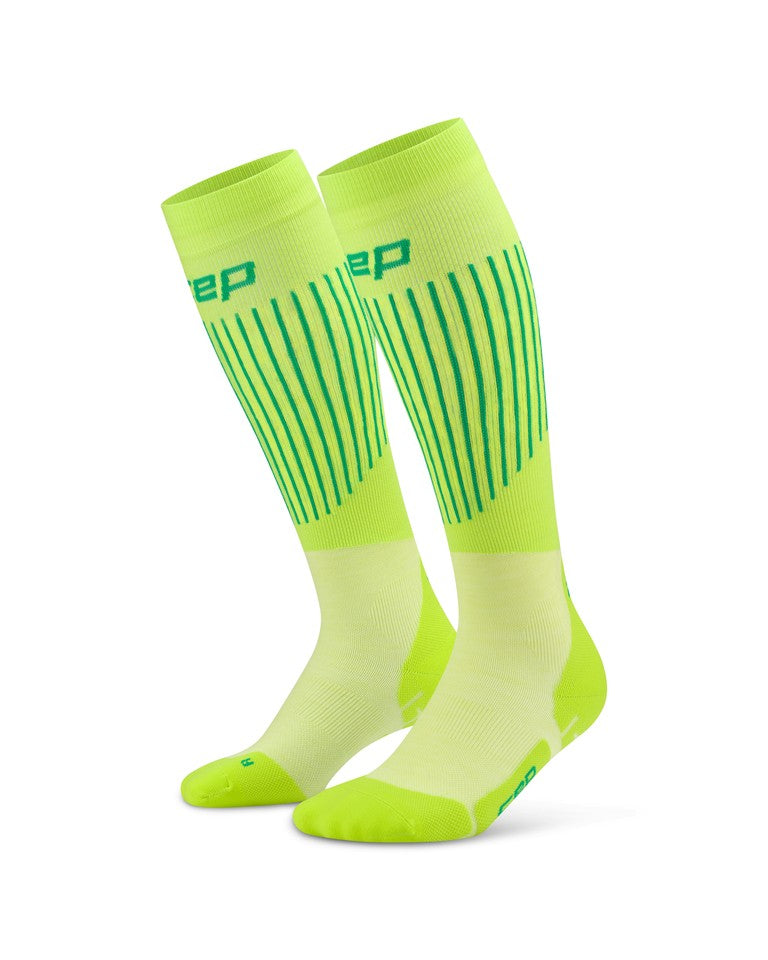
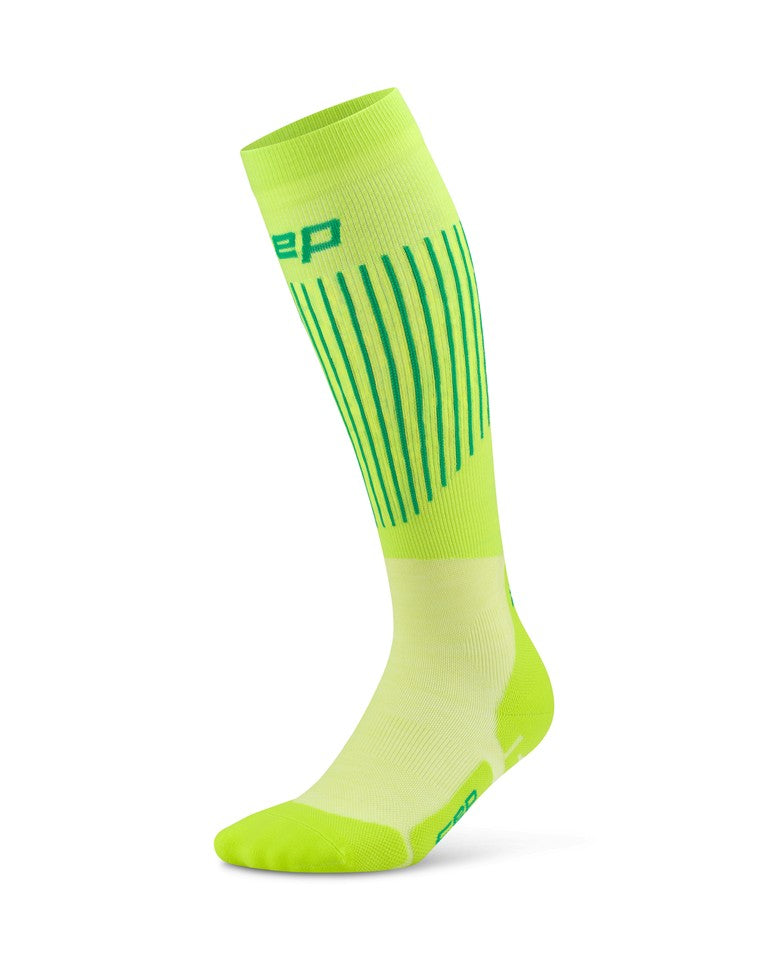
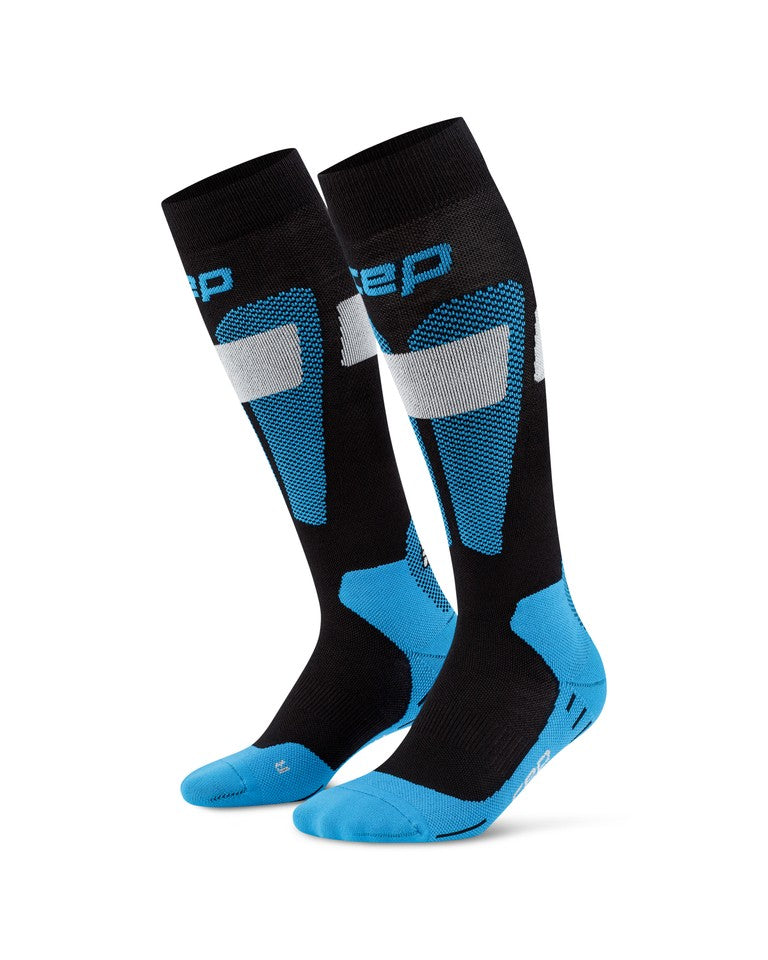
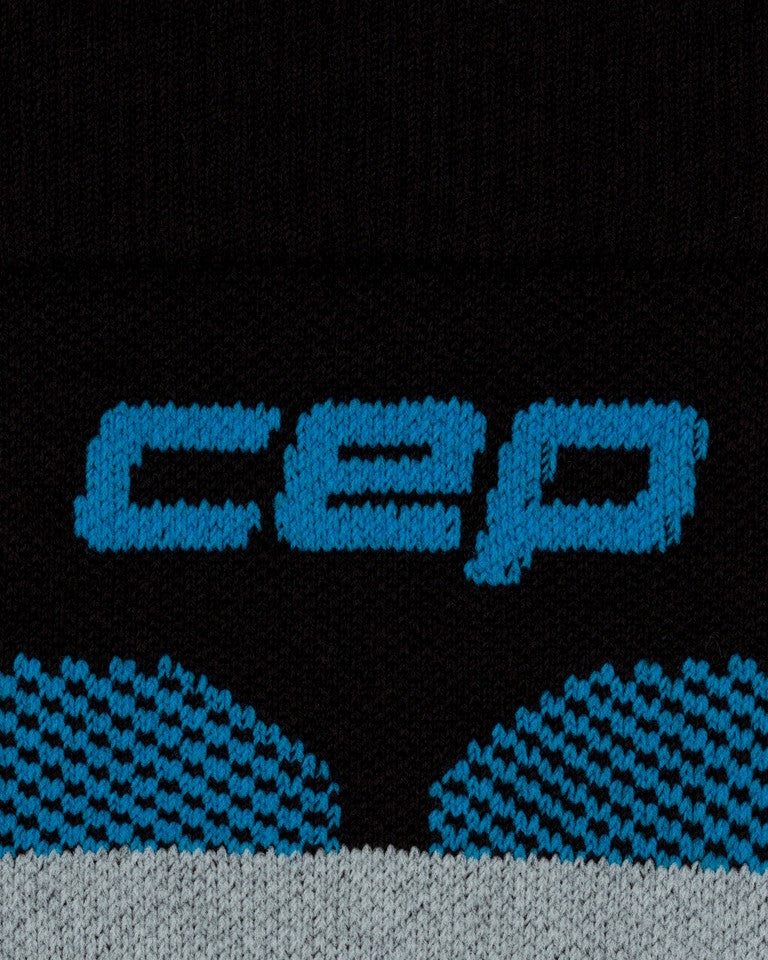
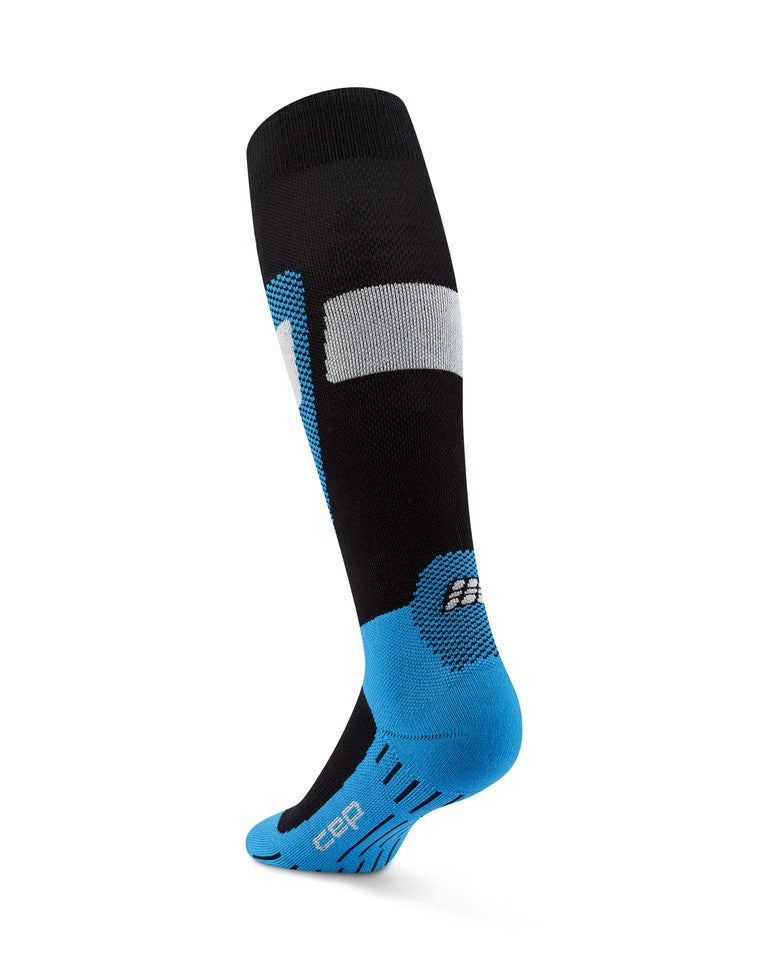
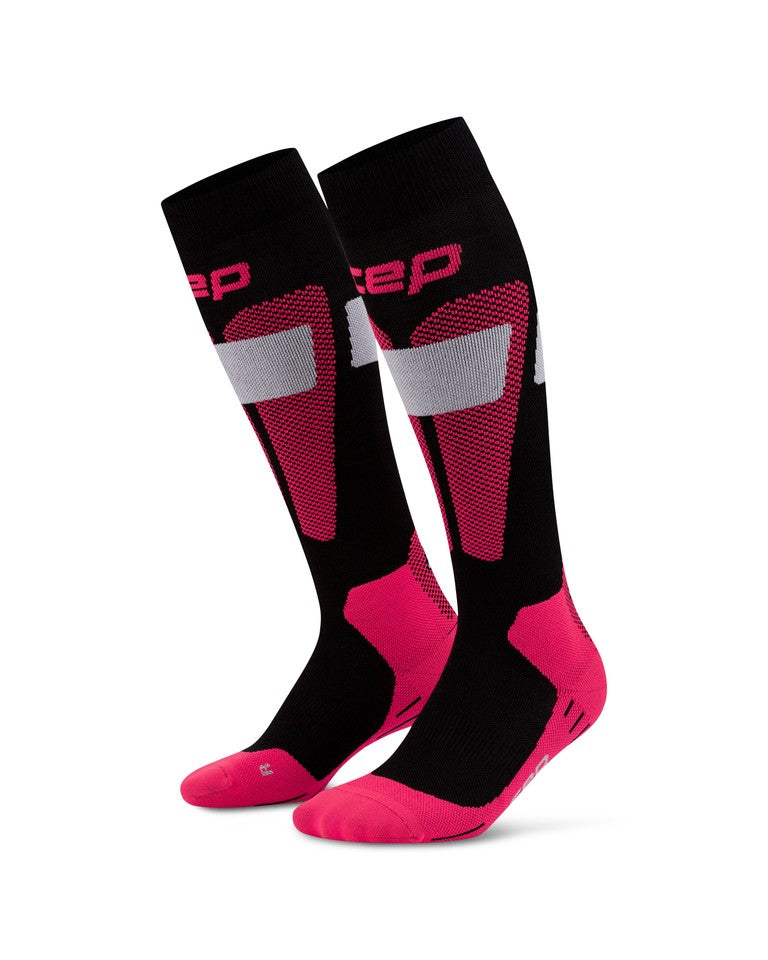
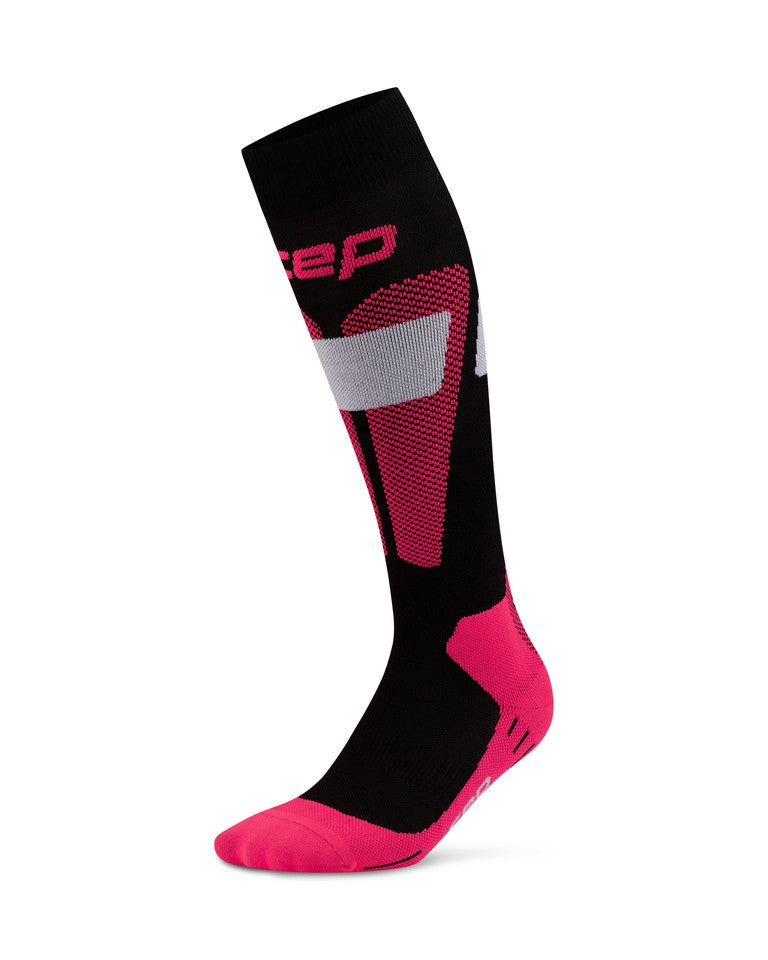
For close-fitting performance and race boots: minimal additional volume, precise fit and direct feedback.
SF Sports · Ski Socks · Race · Bootfitting
The right ski sock is part of your ski boot setup. Thickness, compression, material and cushioning influence volume, support, warmth and direct feel inside the boot. At SF Sports you will find ski socks from CEP, Sidas, Thermic and Mico for performance skiing, race training, bootfitting and comfort-focused ski days.
Race & Performance
For close-fitting performance and race boots: minimal additional volume, precise fit and direct feedback.
Compression
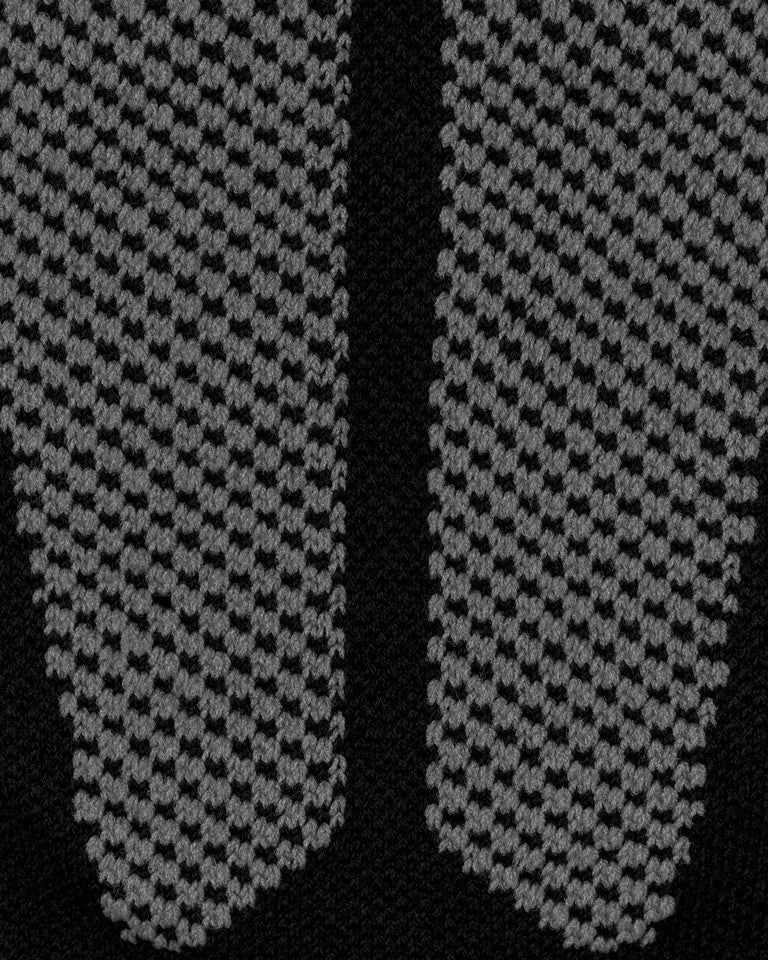
Compression constructions can support the fit around the foot and lower leg and are especially interesting for performance-oriented skiing.
Warmth & Comfort
For cold-sensitive feet, material, moisture management and the right sock thickness are more important than simply adding as much cushioning as possible.
Bootfitting
Pressure points, cold feet or insufficient support cannot always be solved with a thicker sock. The complete boot setup matters.
SF Sports Ski Sock Guide
The right ski sock should do more than keep you warm. It affects how much volume there is inside the ski boot, how directly you feel the boot and how securely your foot, heel and lower leg are held. For tight race and performance ski boots, very thin, precise socks are usually the best choice. If your feet get cold quickly, merino, additional insulation or heated ski socks may be more suitable.
Very thin ski socks for minimal additional volume, direct contact and precise power transfer.
View CEP →Performance socks with a supportive fit for sporty skiers, training and close-fitting ski boots.
View Sidas →More insulation and balanced climate management for long ski days and cold-sensitive feet.
View warm ski socks →For skiers who want consistently warm feet even in low temperatures.
View Thermic →Compare Ski Socks
The best sock depends on your ski boot, how sensitive you are to cold and how you ski. The key is not maximum cushioning, but the right combination of fit, thickness, material and function.
| Type | Thickness | Warmth | Direct feel | Best for |
|---|---|---|---|---|
| Ultralight / Race | very thin | low to medium | very high | race boots, performance, race training, bootfitting |
| Compression | thin to medium | medium | high | sporty skiers, supportive fit, long ski days |
| Merino / Comfort | medium | high | medium | cold days, comfort, cold-sensitive feet |
| Heated | model-dependent | very high | model-dependent | extreme cold, long periods outdoors, very cold-sensitive feet |
Race & Bootfitting
Every millimetre matters in a precisely fitted ski boot. A thick sock adds volume, can crease and changes the feel between your foot, liner and shell. That is why many performance skiers and racers choose very thin ski socks.
But thin alone is not enough. The sock needs to fit without creases, manage moisture reliably and match the volume of your ski boot.
Cold Feet
If a thicker sock makes the ski boot too tight, additional pressure can develop. That can reduce comfort and is not automatically the best solution for cold feet. Sufficient space, dry feet, a suitable liner and the right sock construction all matter.
For more warmth, merino models or heated ski socks can be suitable depending on your needs. If your ski boots are persistently cold, painful or poorly fitting, a fit analysis is also worthwhile.
Compare Brands
We offer different concepts so you can choose the sock that best matches your ski boot and intended use.
Performance-oriented ski socks focused on a very direct fit, compression and sporty ski boots.
CEP Ski Socks →Race, performance and comfort models with a strong focus on ski-boot fit and bootfitting.
Sidas Ski Socks →Warmth-focused and heated solutions for cold ski days and especially cold-sensitive feet.
Thermic Ski Socks →Mico will soon expand our ski-sock range. The new models will be added to this guide and comparison as soon as they arrive.
View Mico →SF Sports Links
A good sock can only perform at its best when ski boot, liner, footbed and fit work together. That is why we deliberately link the most important areas around your setup here.
FAQ
For tight, sporty ski boots, thin ski socks that fit without creases are usually the best choice. If your feet get cold quickly, choose models with more warmth, merino or, if needed, heated ski socks.
Usually, yes. Very thin ski socks add less volume and allow more direct contact in close-fitting performance or race ski boots.
Thin, well-fitting ski socks are ideal for bootfitting because they allow the ski boot to be adjusted as closely as possible to how it will actually be used later.
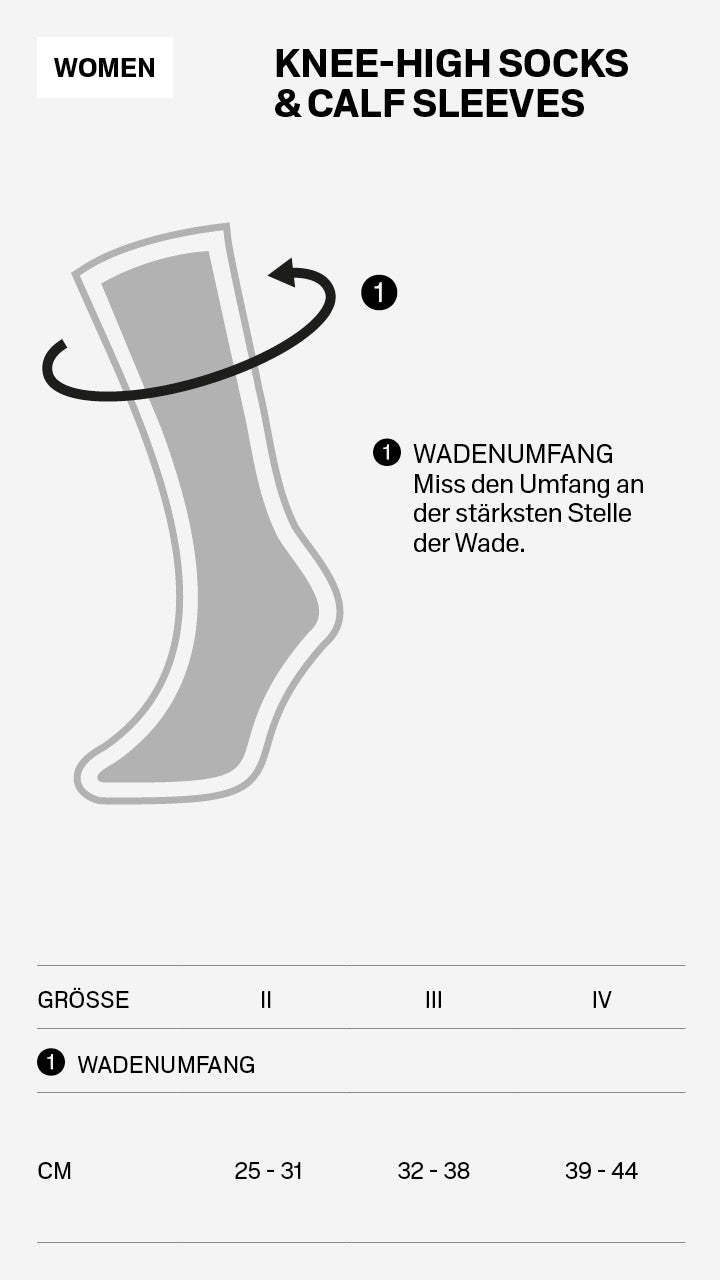
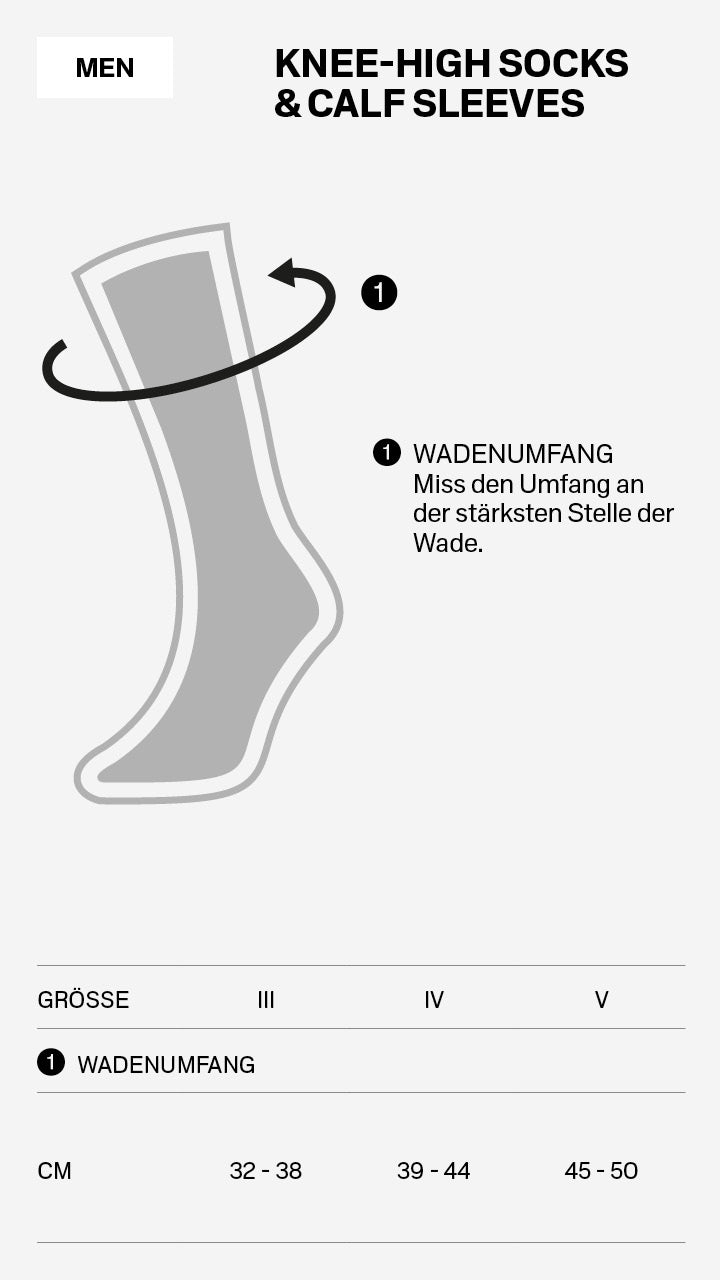
Compression ski socks can support a secure, close fit. The key is choosing the correct size and fit so that the sock does not constrict uncomfortably.
CEP is especially interesting for skiers looking for very thin, performance-oriented compression socks. Sidas also offers strong race models plus different concepts for precision, warmth and comfort. The better choice depends on your ski boot and intended use.
Depending on the cause, merino socks, warmer technical socks or heated models can help. If the ski boot is too tight, a thicker sock can even make the problem worse.
Not automatically. Extra insulation can help, but only if there is enough room in the ski boot. If the sock makes the boot too tight, comfort and perceived warmth can suffer.
Cotton retains moisture and dries slowly. Technical ski socks are designed for moisture management, a secure fit and the specific demands inside a ski boot.
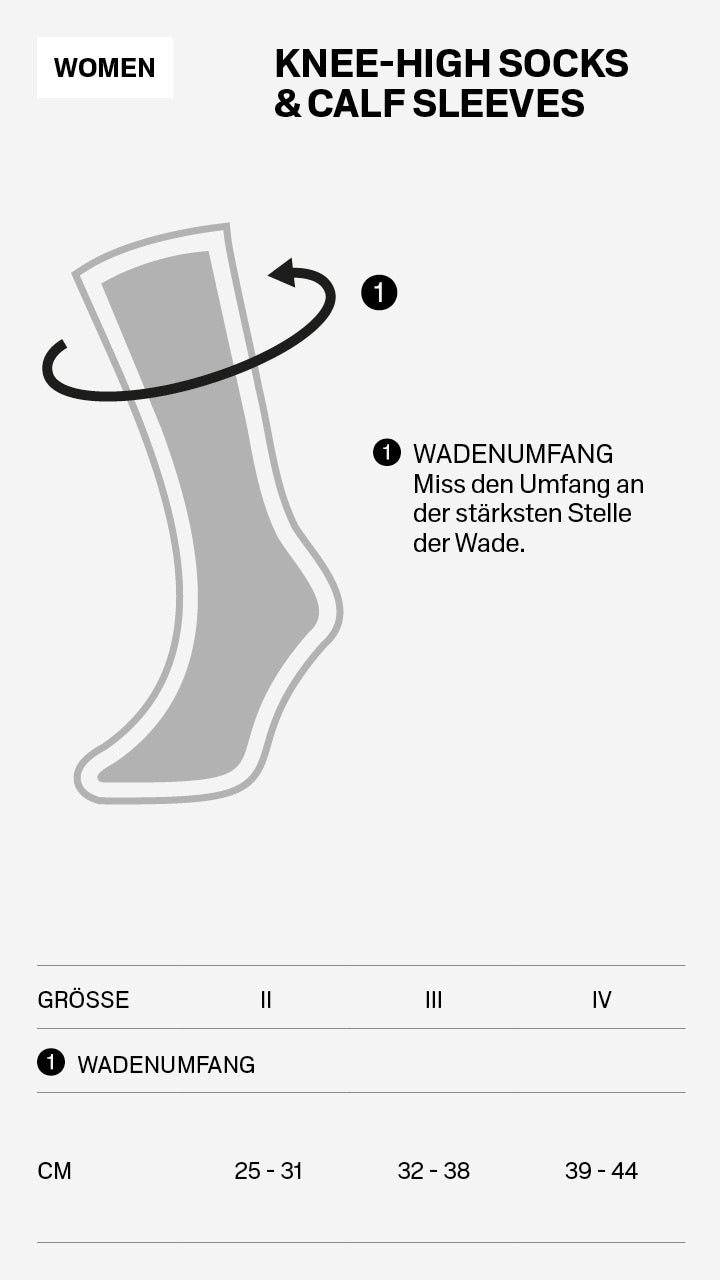
They should fit close to the body and without creases, but not constrict uncomfortably. Creases and excess material can quickly cause pressure points inside a ski boot.
Merino offers pleasant warmth and climate management. Technical synthetic fibres can be particularly light, shape-retaining and quick-drying. Many high-quality ski socks combine several materials.
They are especially useful for very cold-sensitive skiers, long ski days and low temperatures. It is also important that batteries and heating elements do not create unwanted pressure inside the ski boot.
SF Sports carries ski socks from CEP, Sidas and Thermic. Mico is new to the range and will also be integrated into the ski-sock guide once the products arrive.
SF Sports · Bootfitting · Alpine Skiing
If your ski boot causes pressure, slips or your feet stay cold, it is worth looking at the entire setup. Sock, footbed, liner, shell and bootfitting all influence one another.