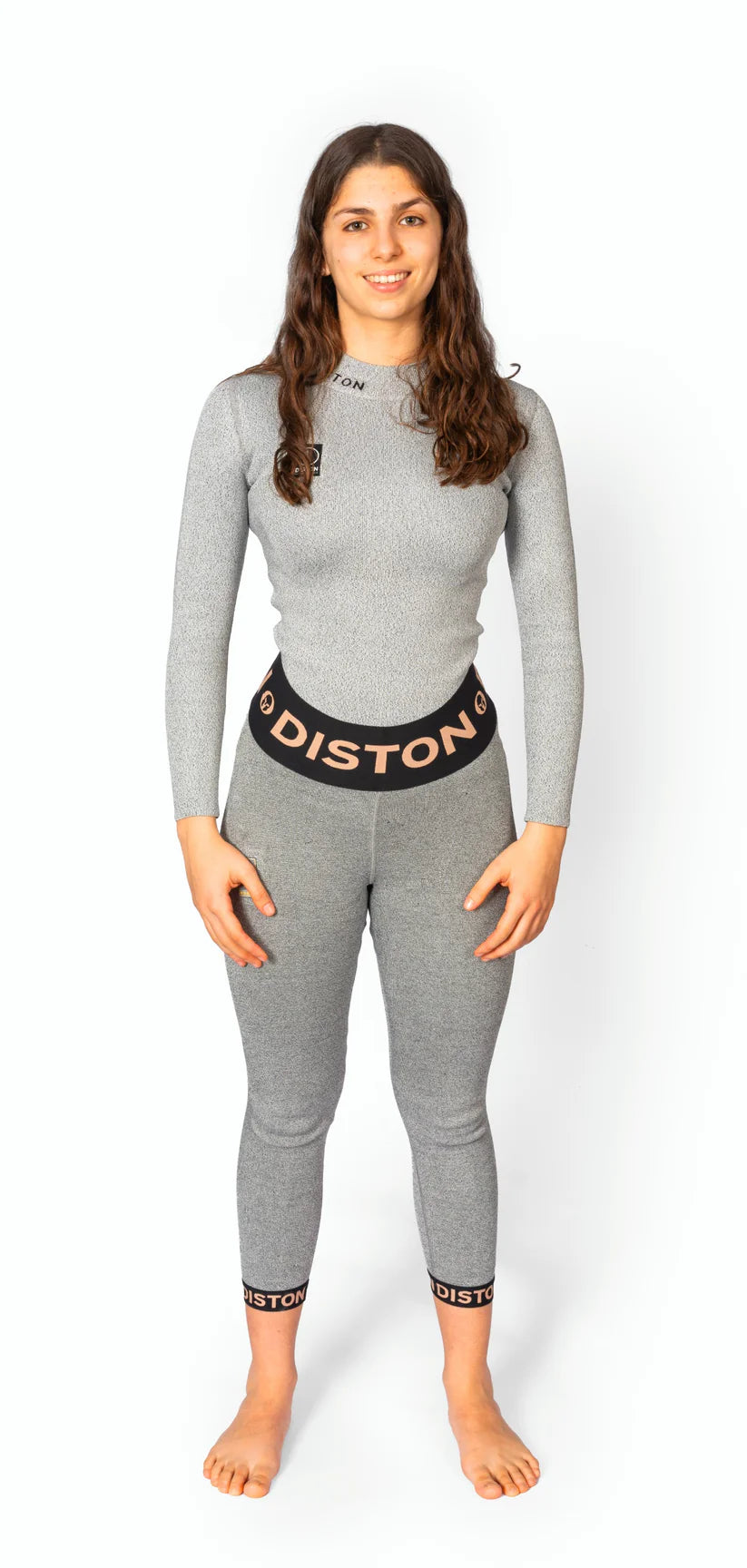
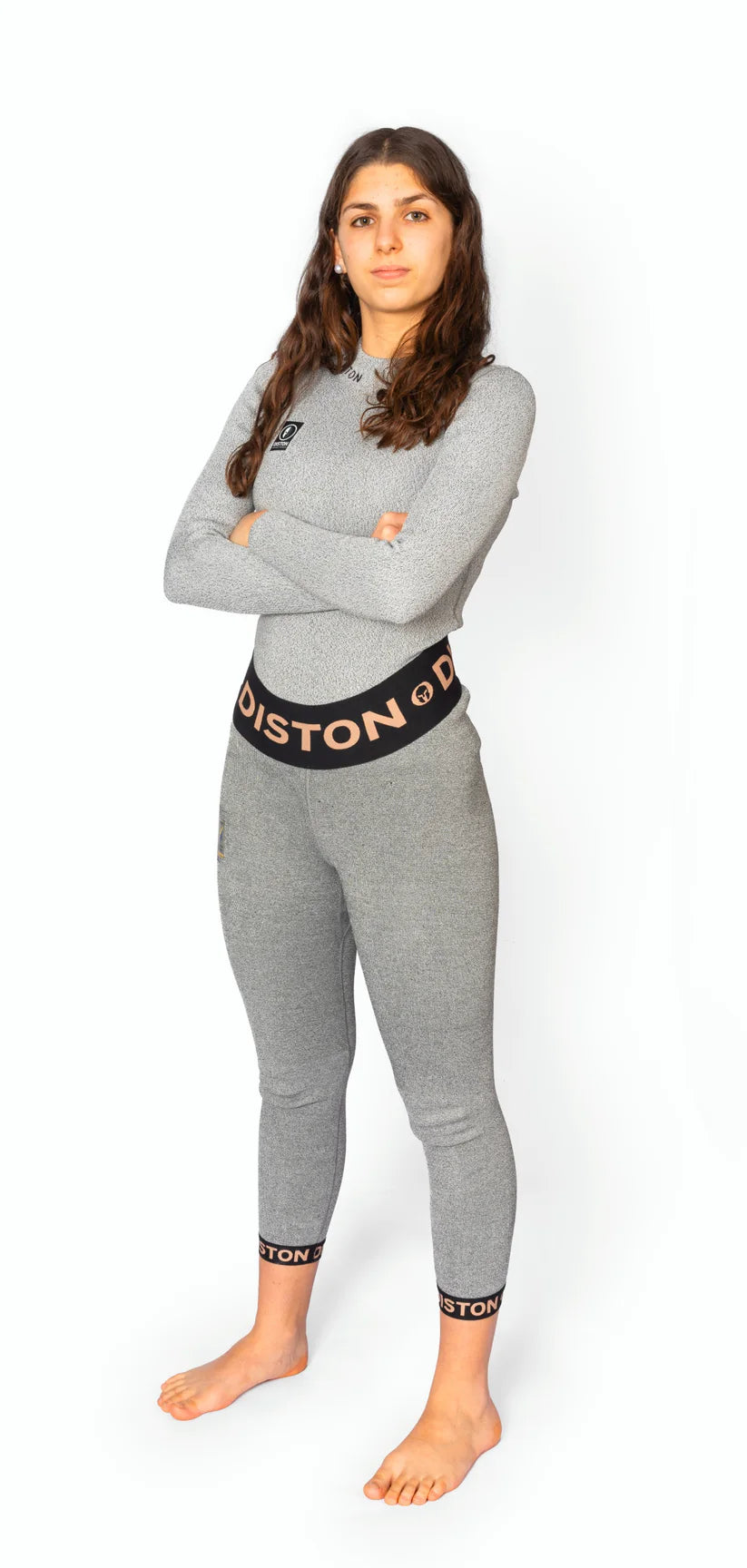
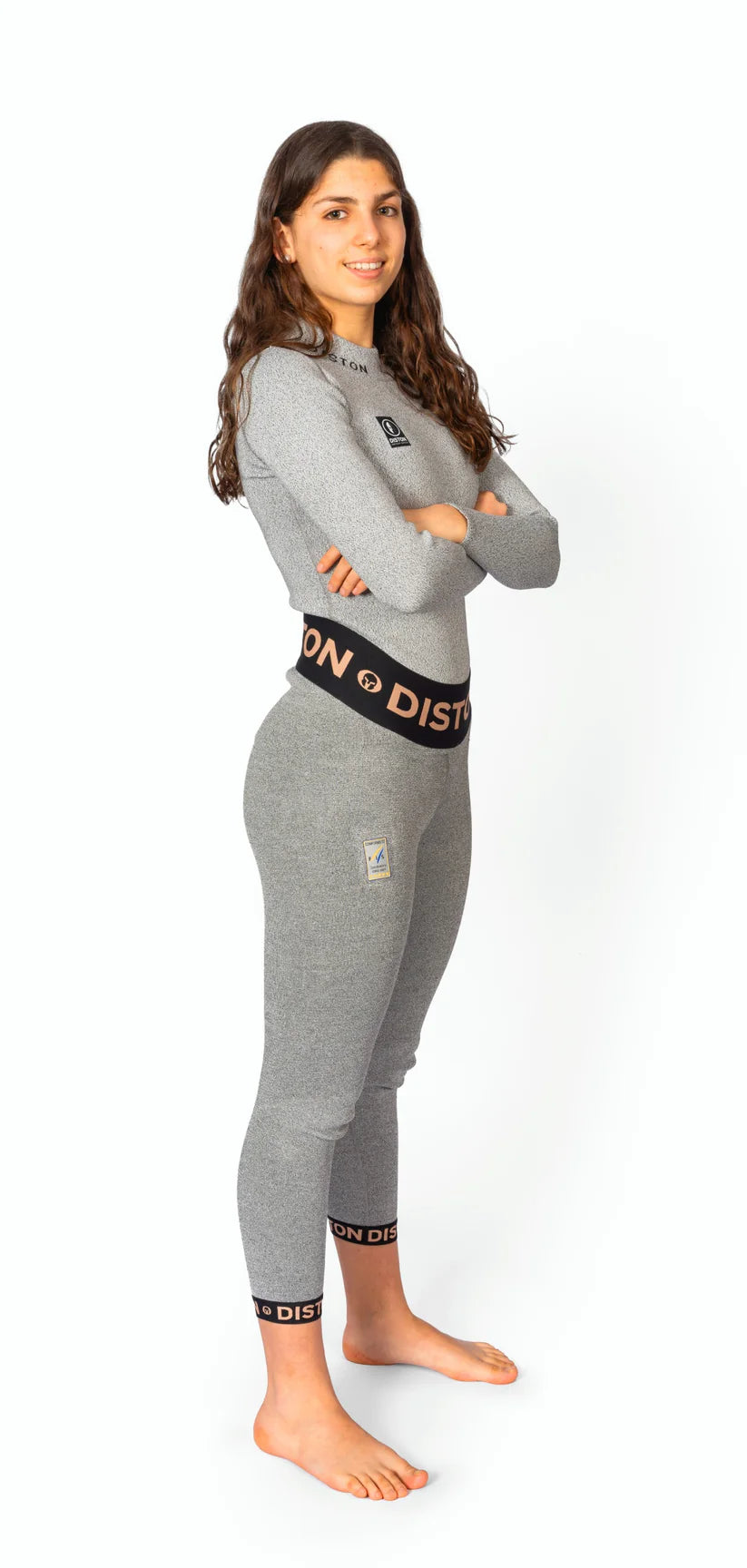
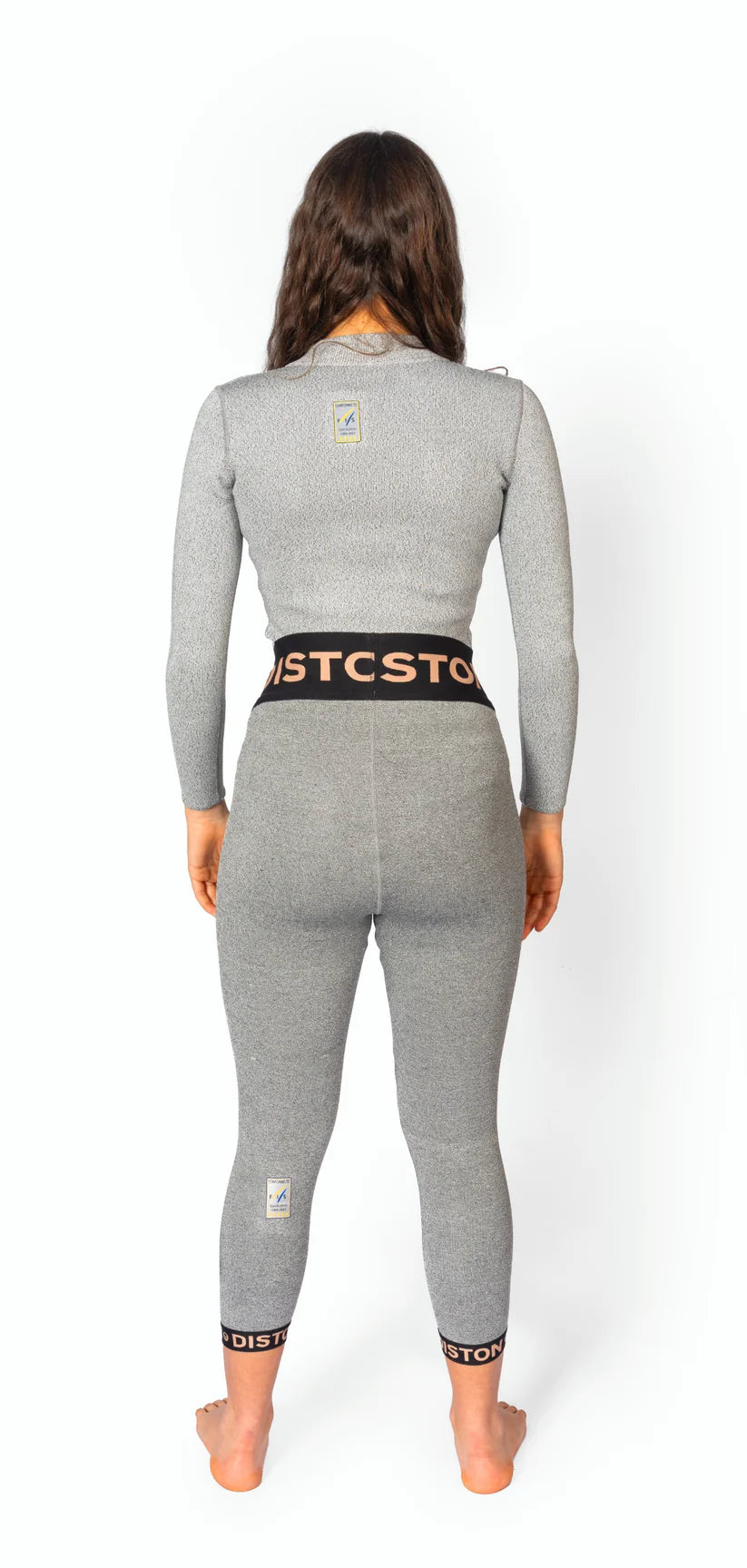
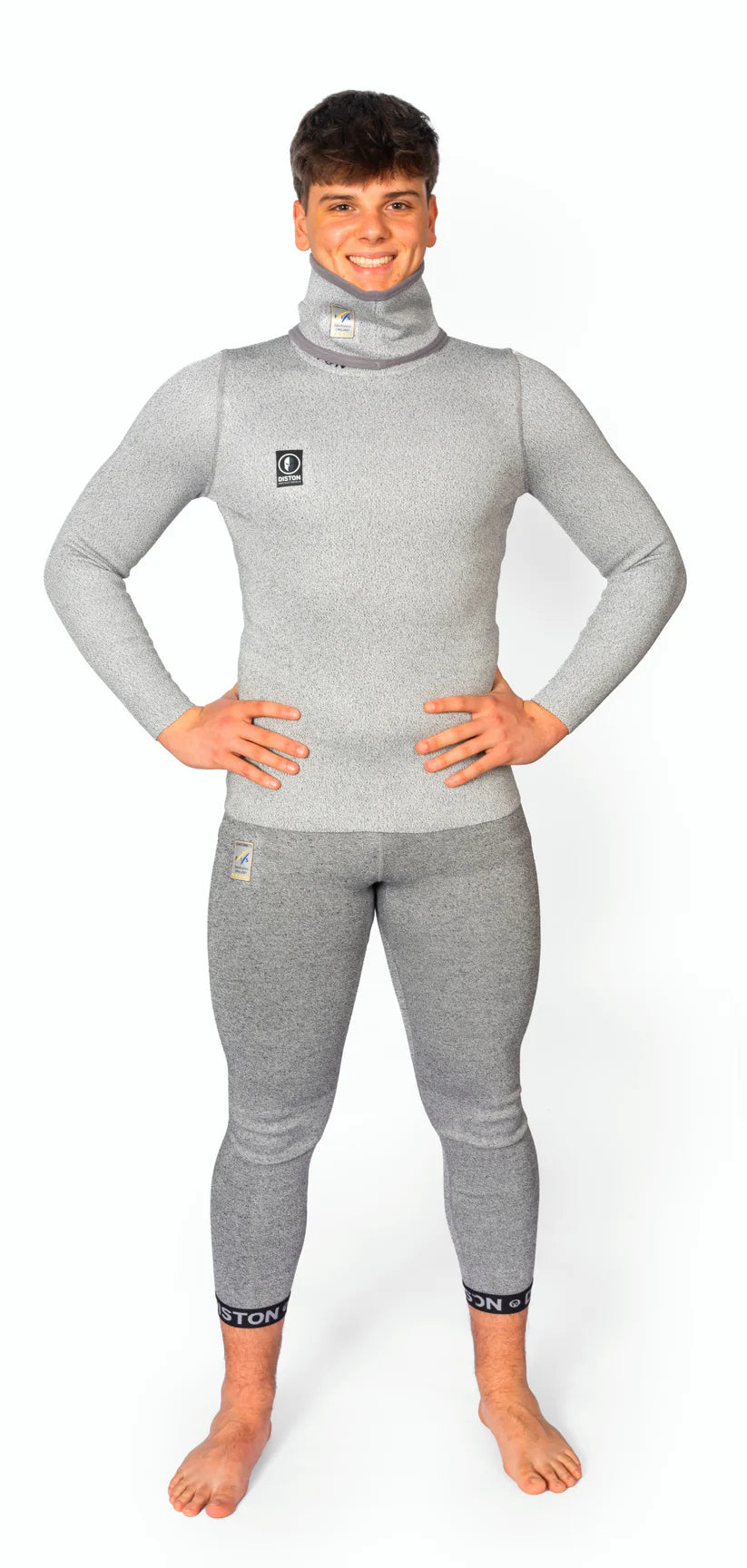
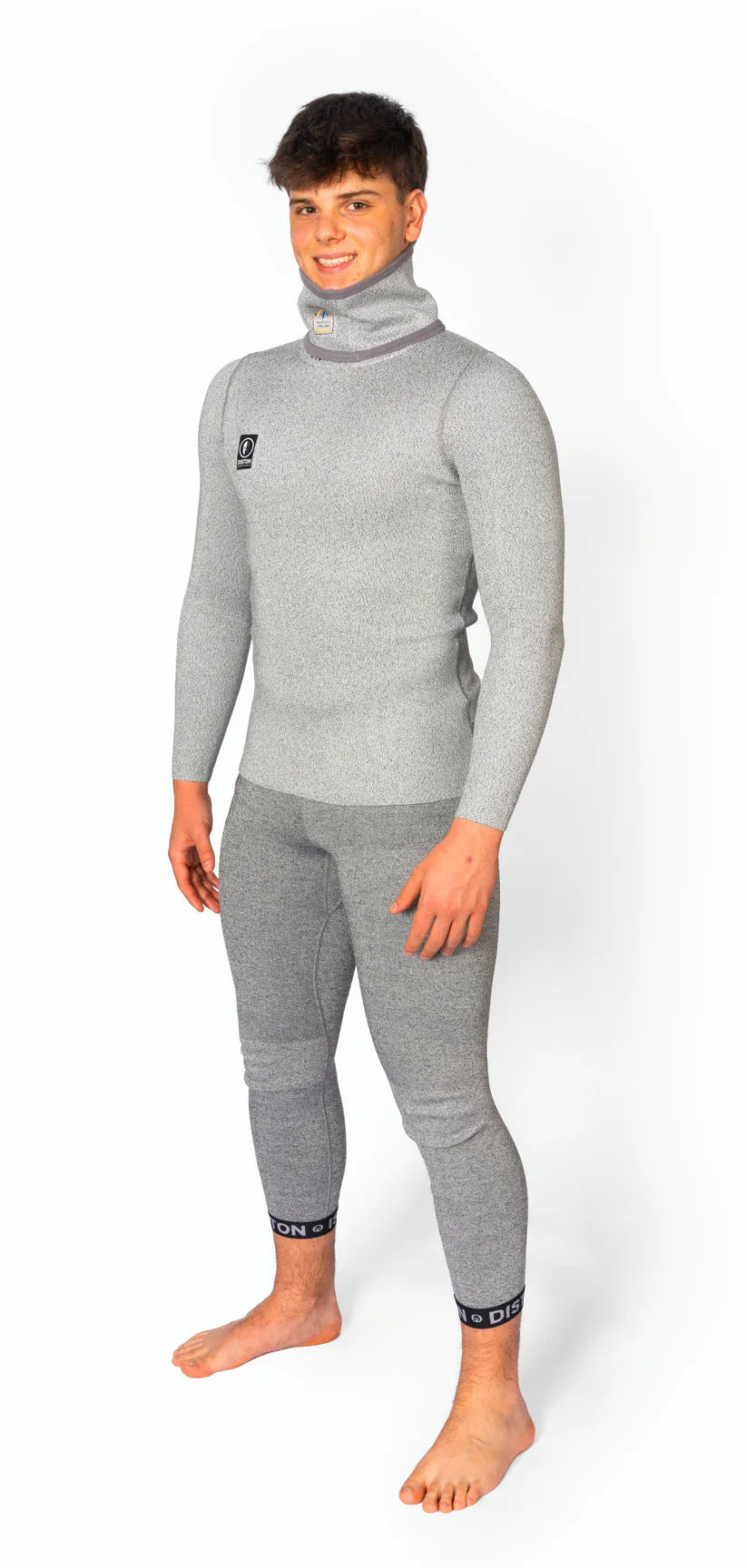
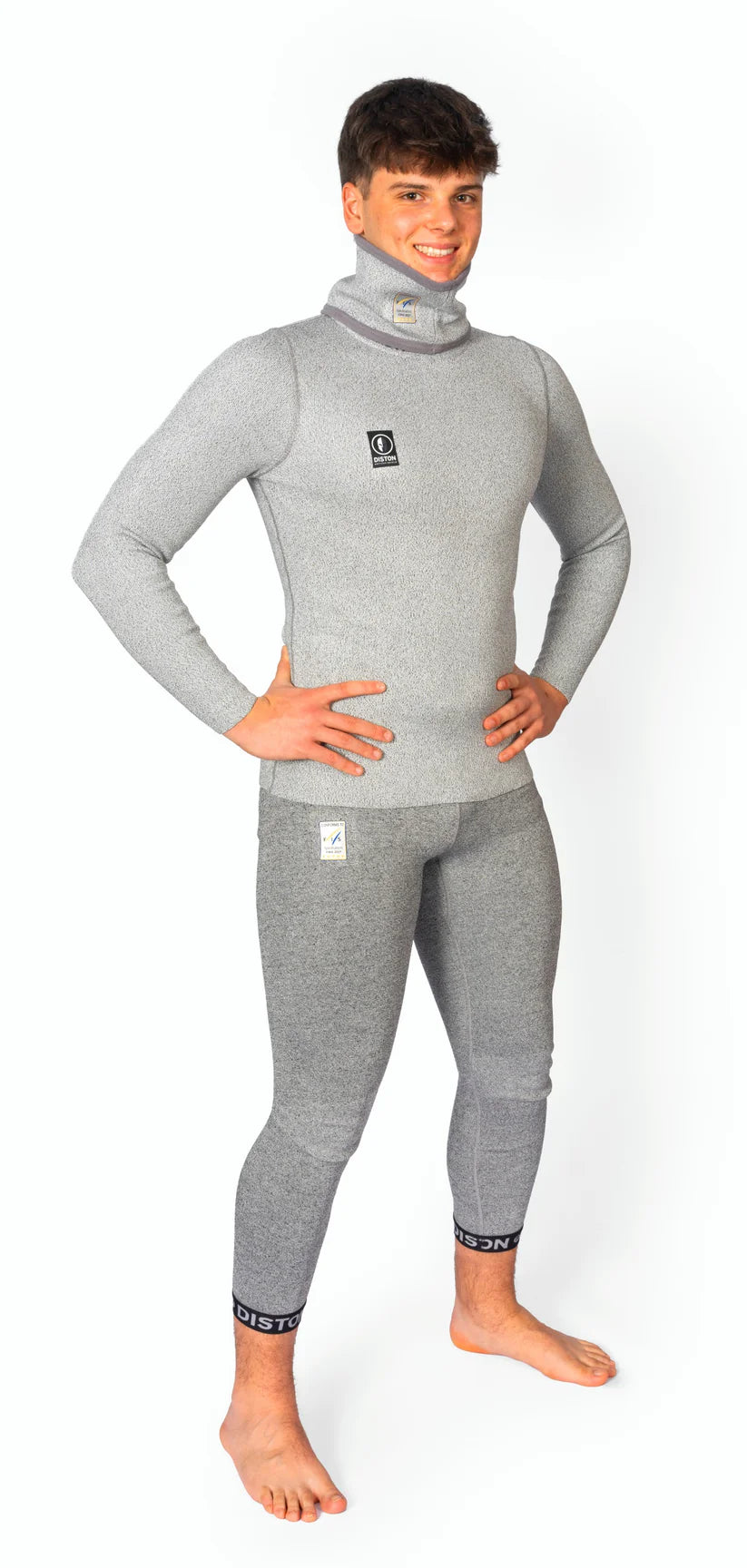
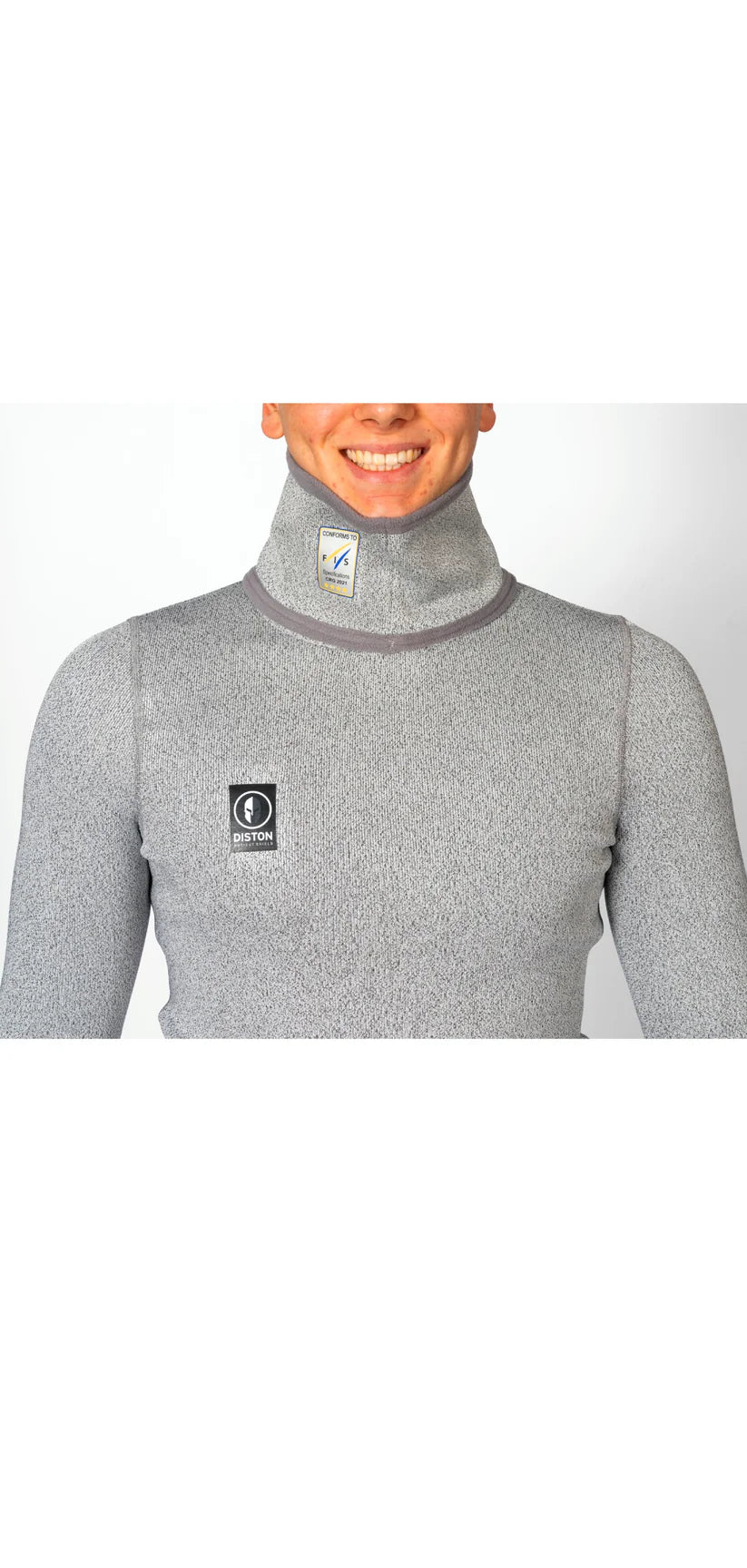
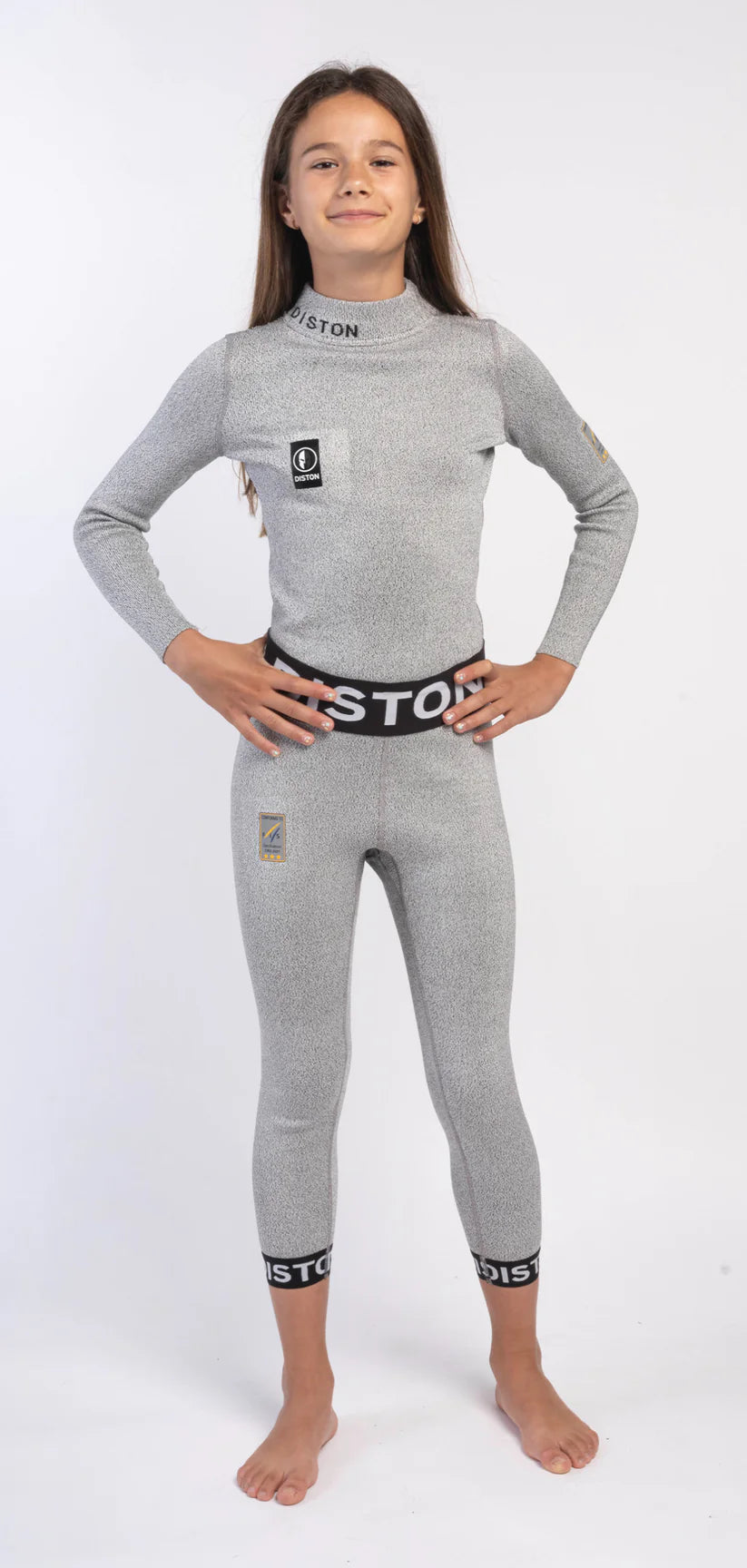
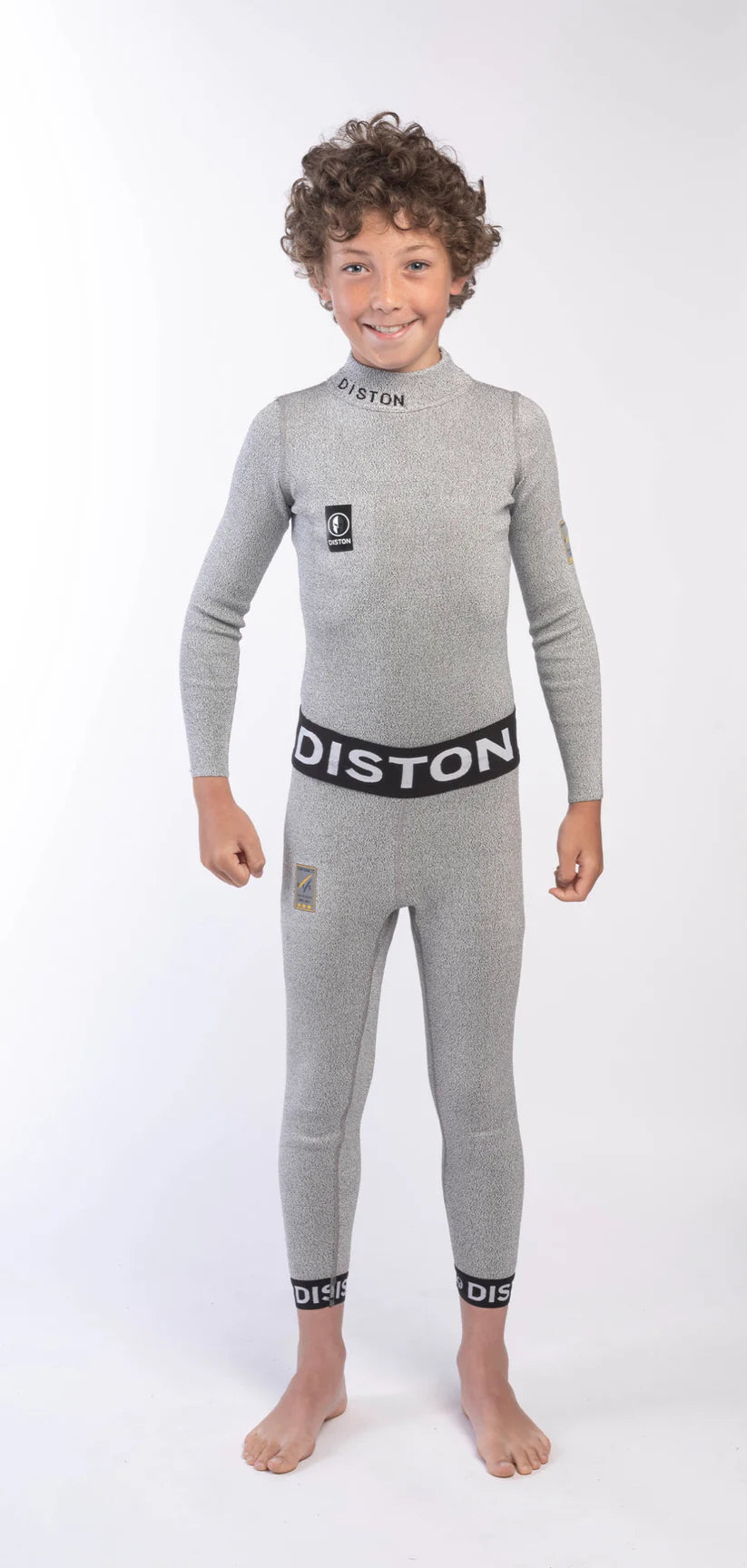
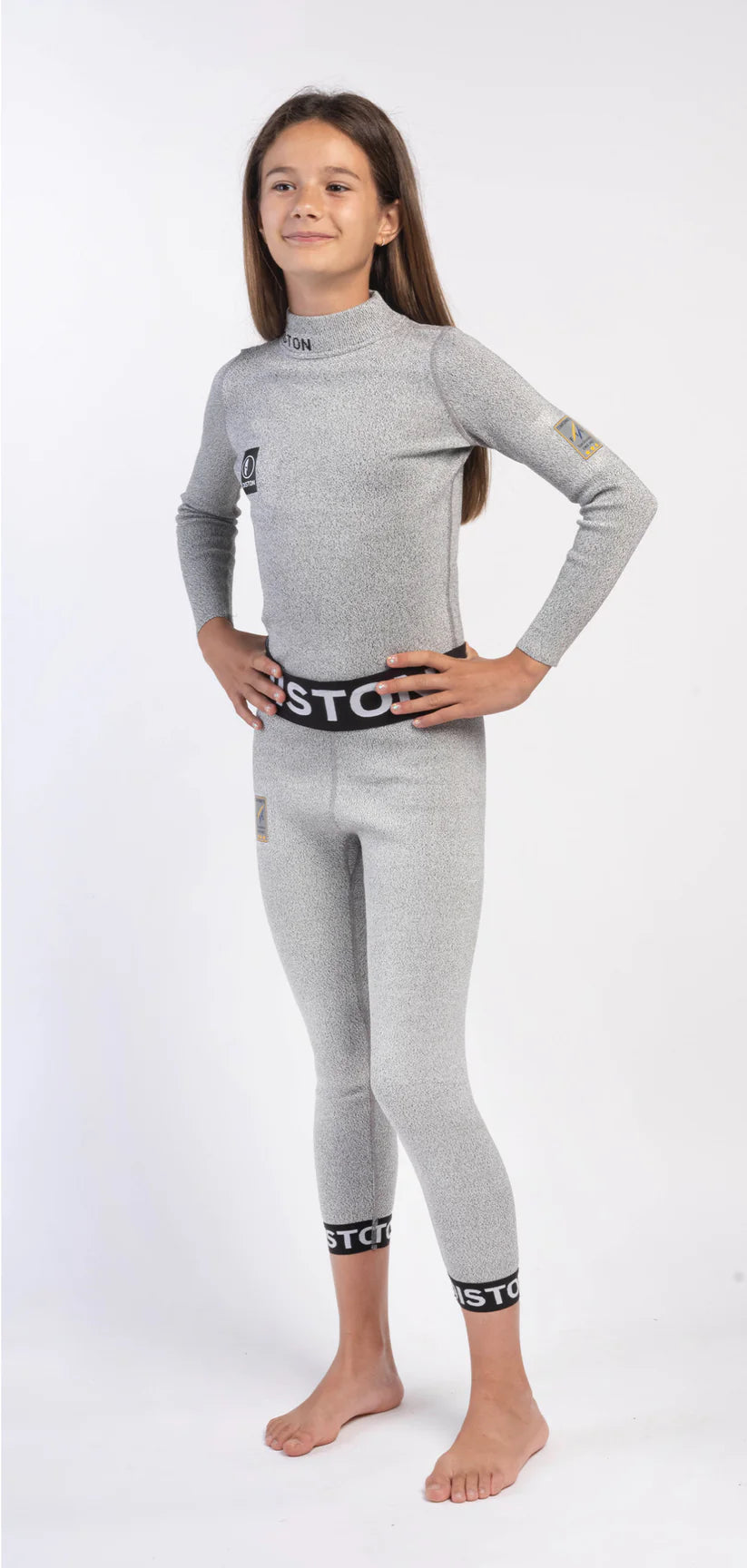
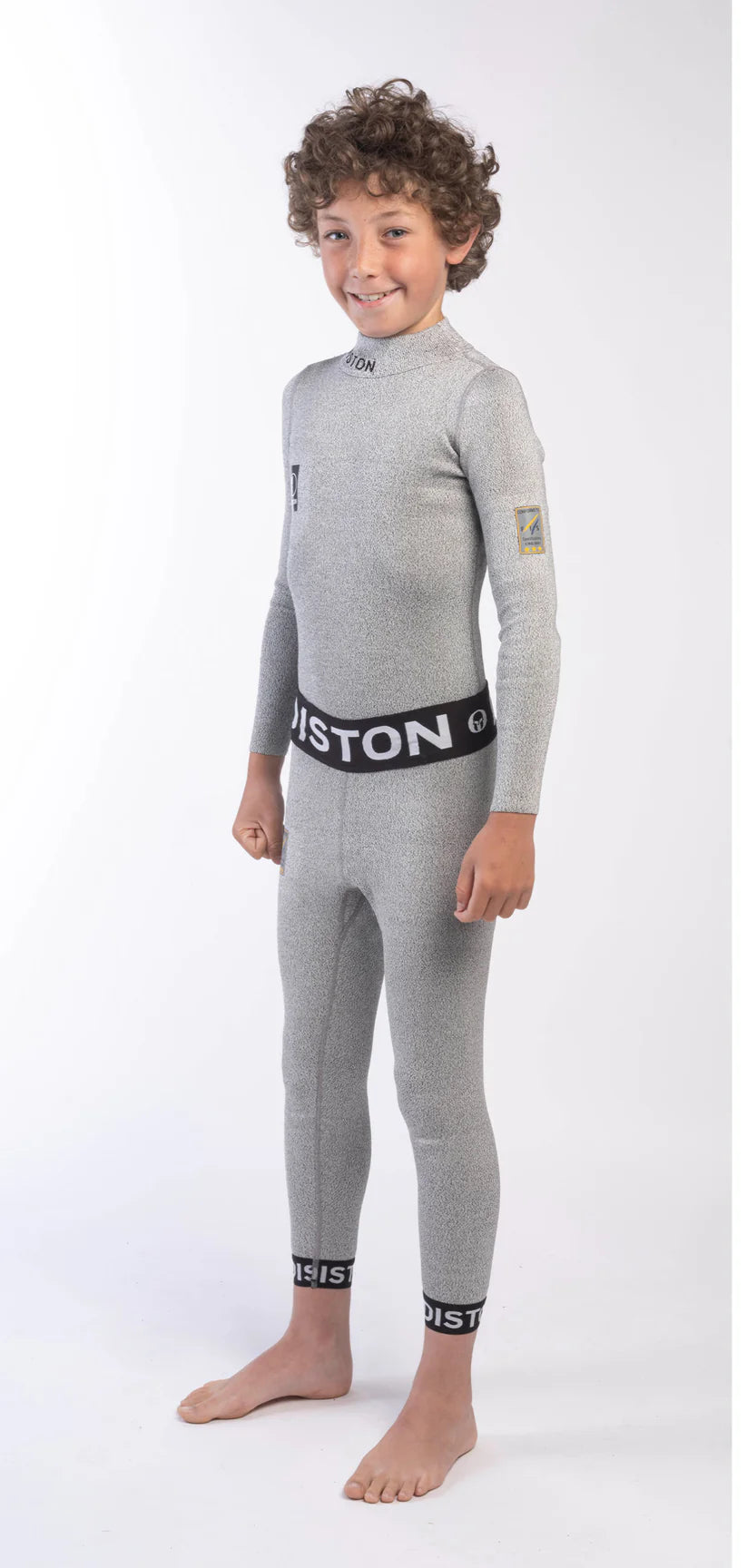
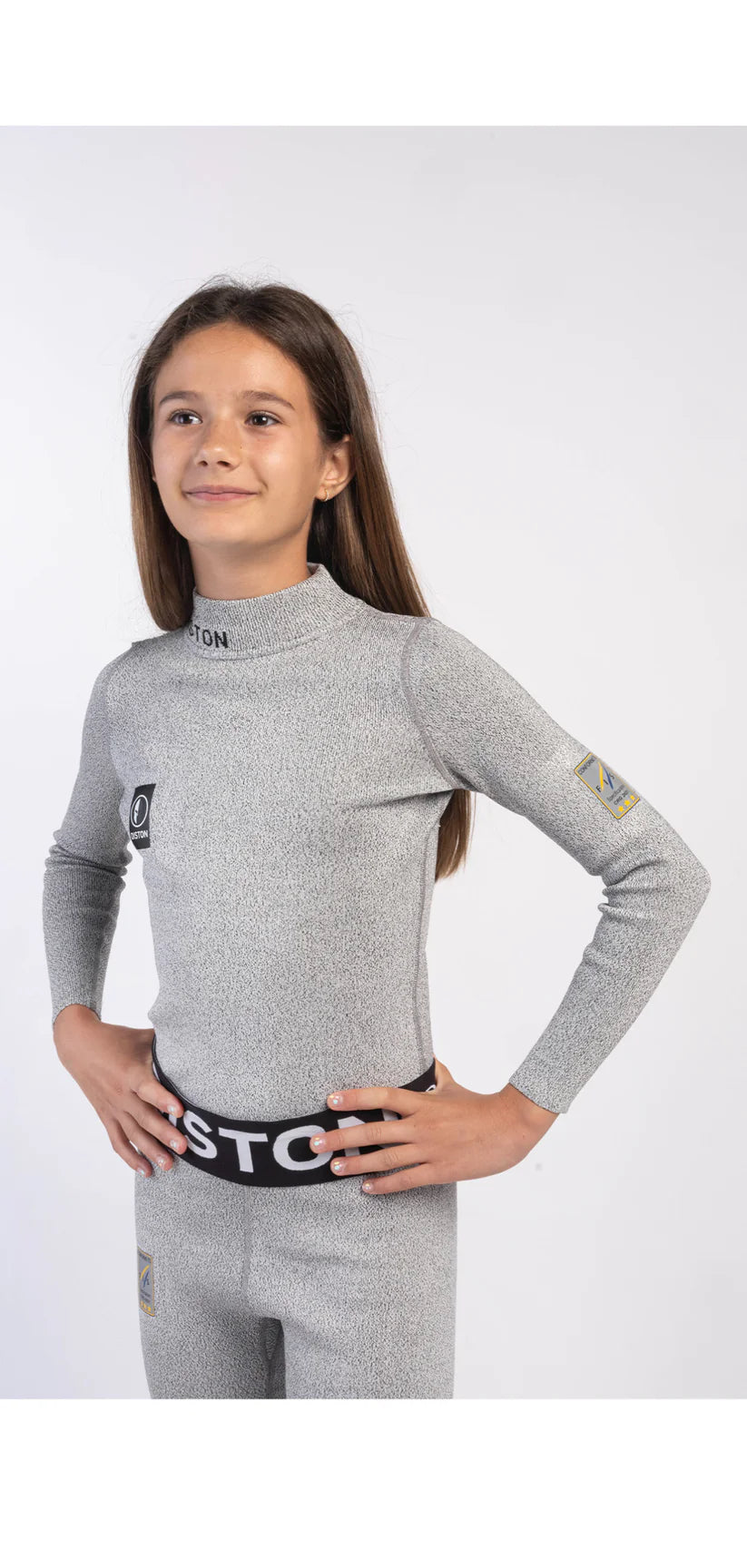
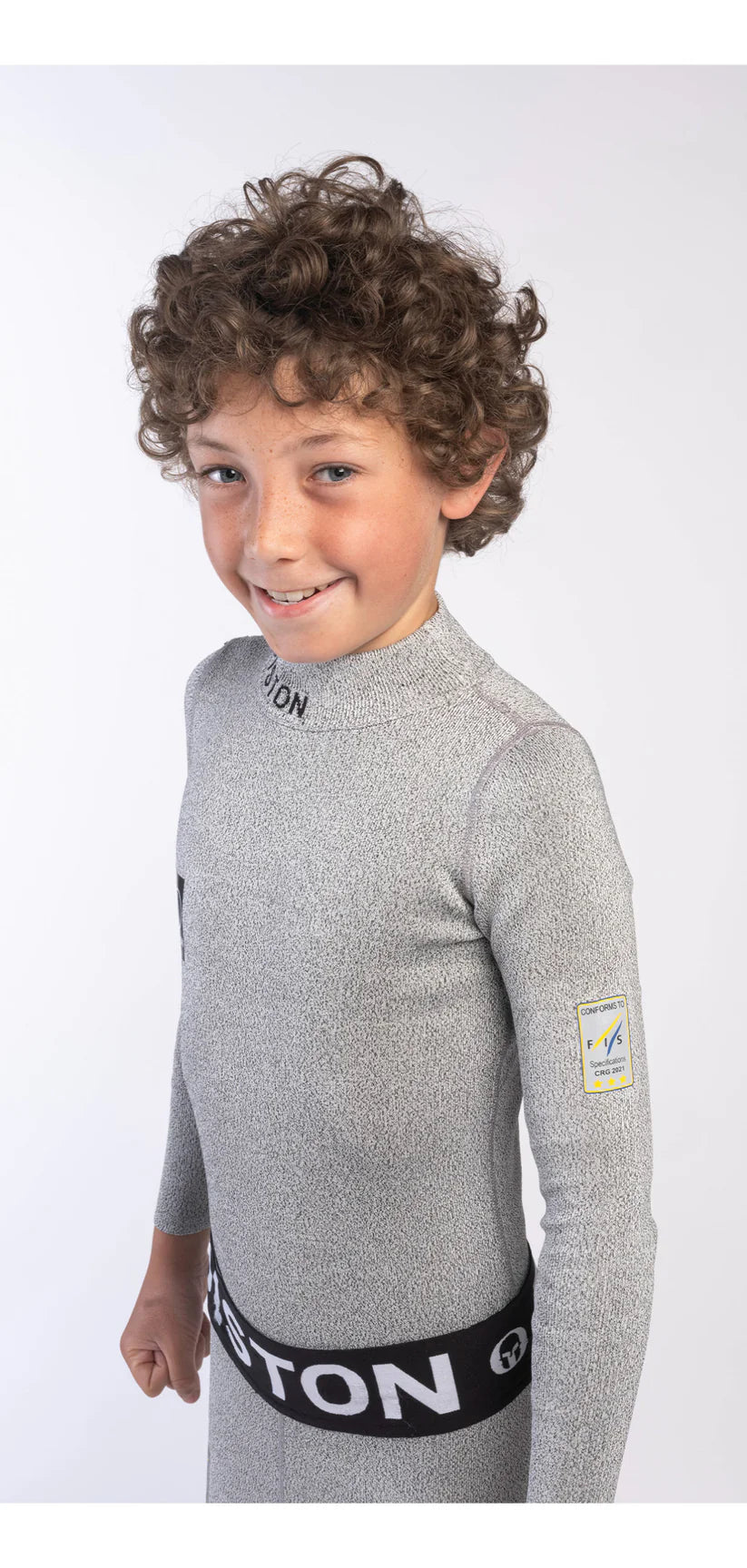
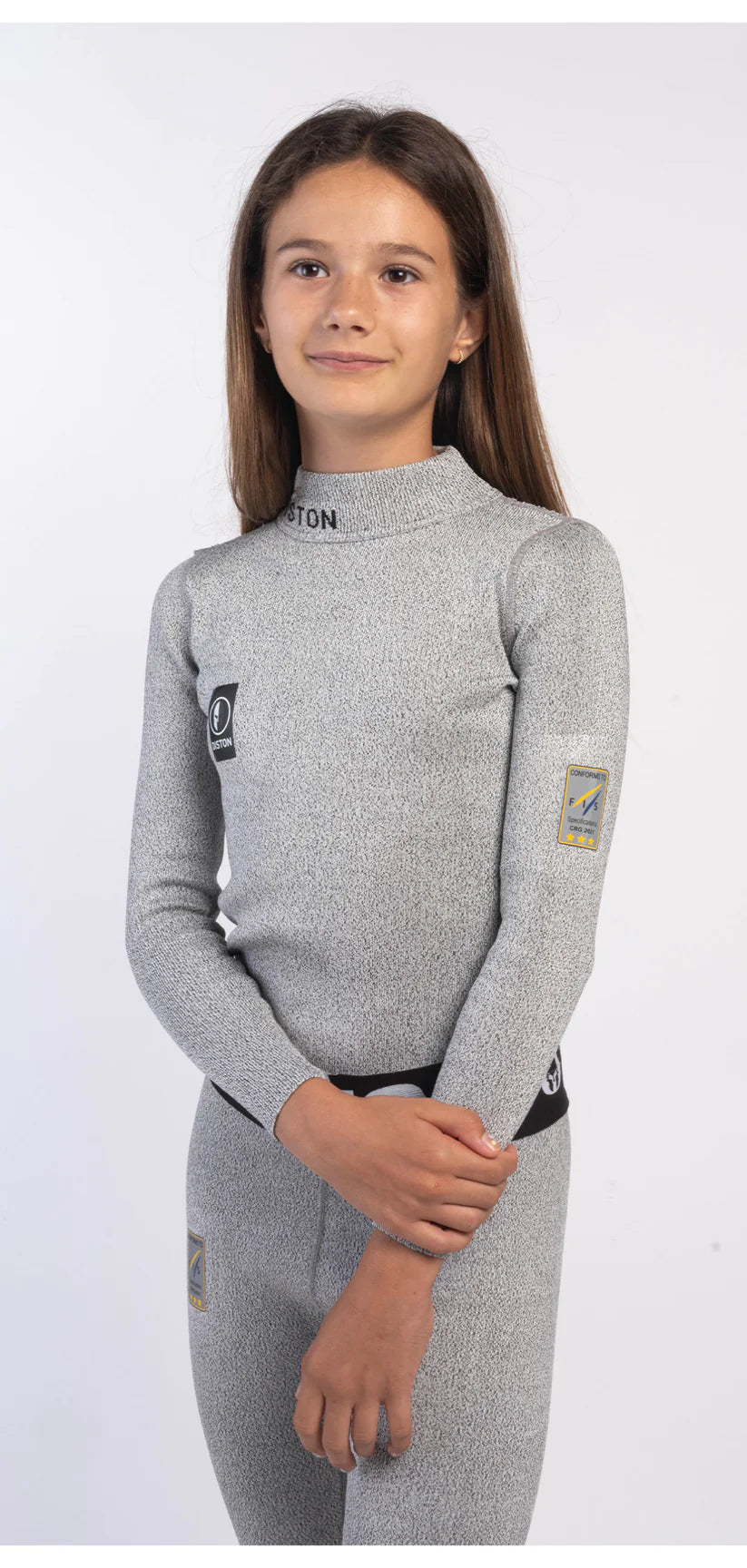
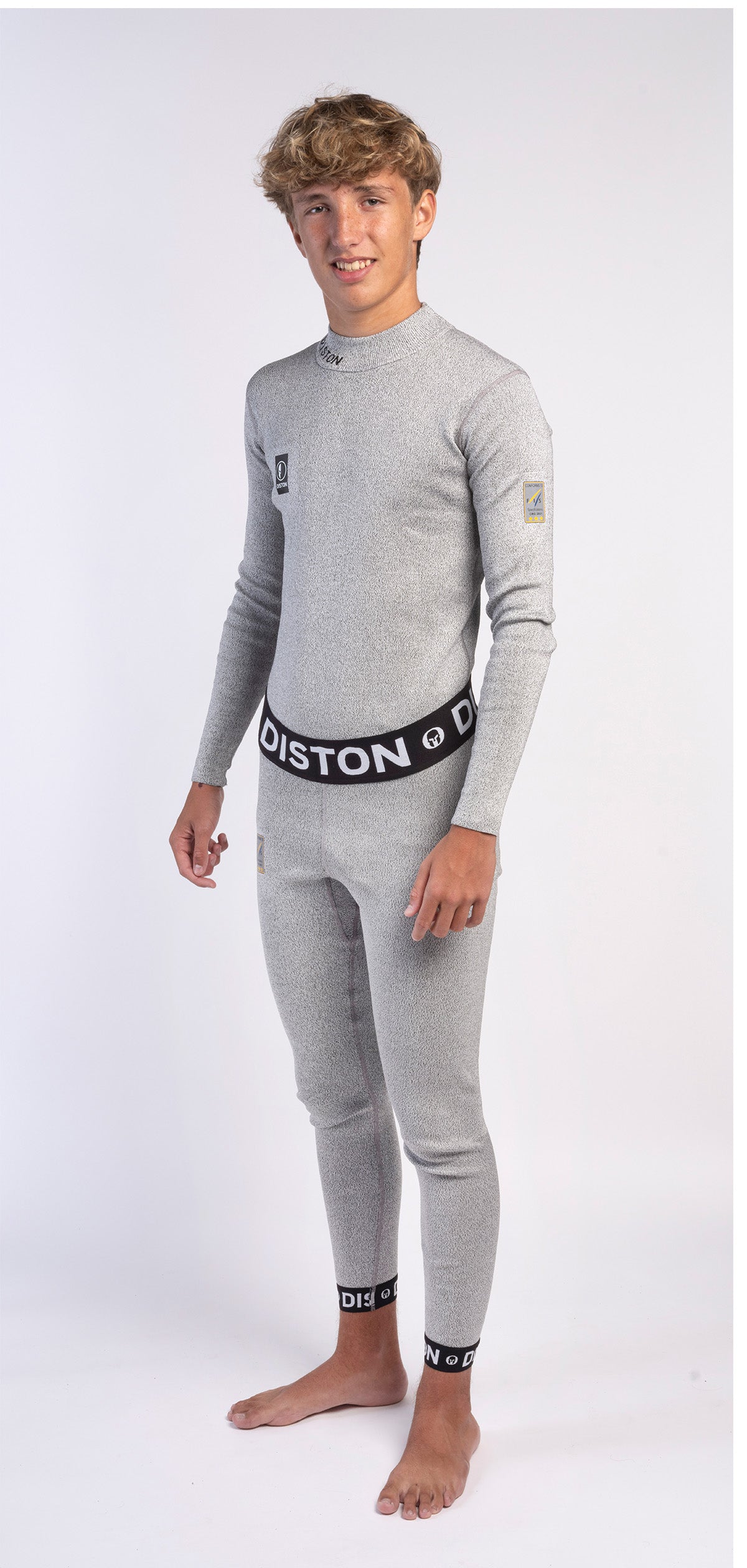
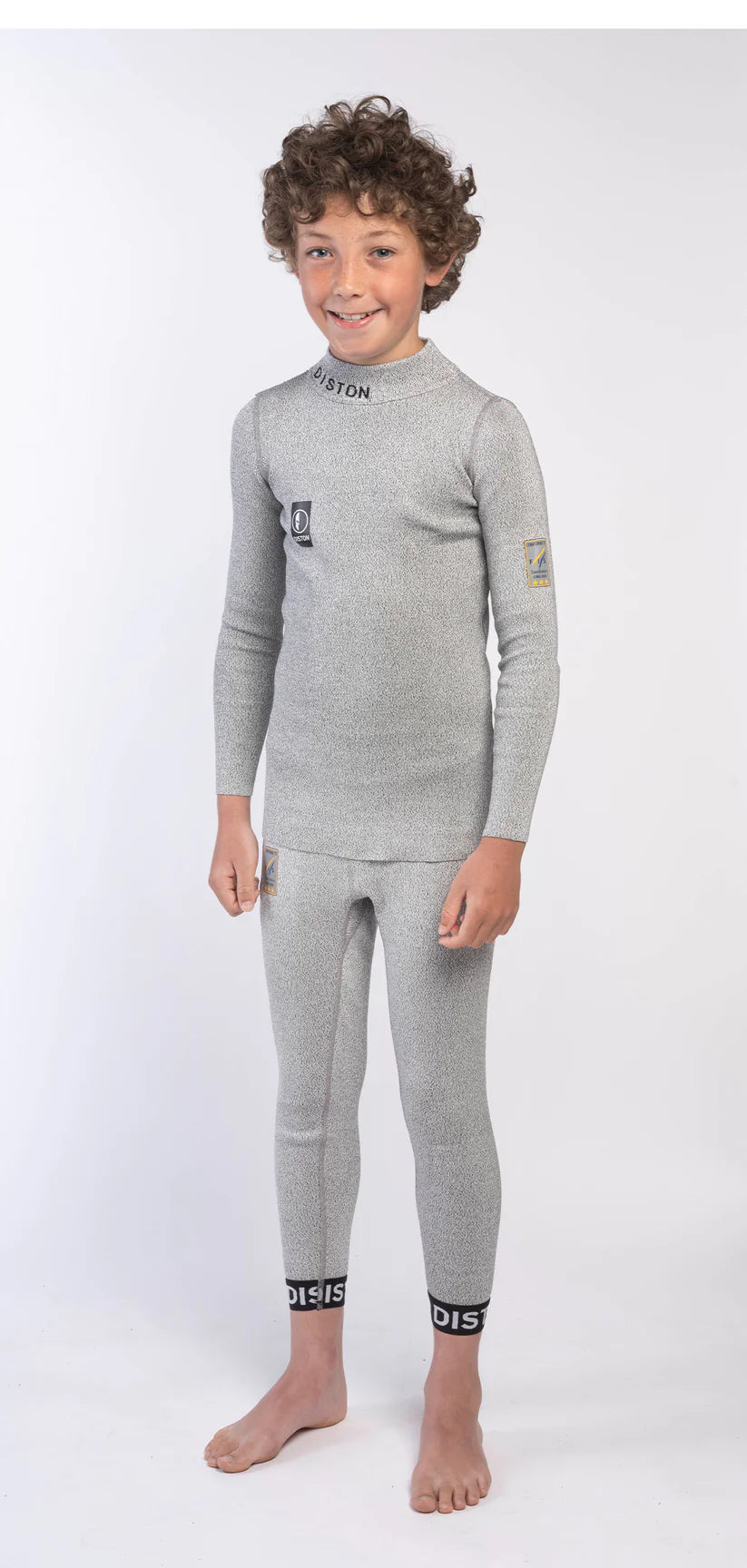
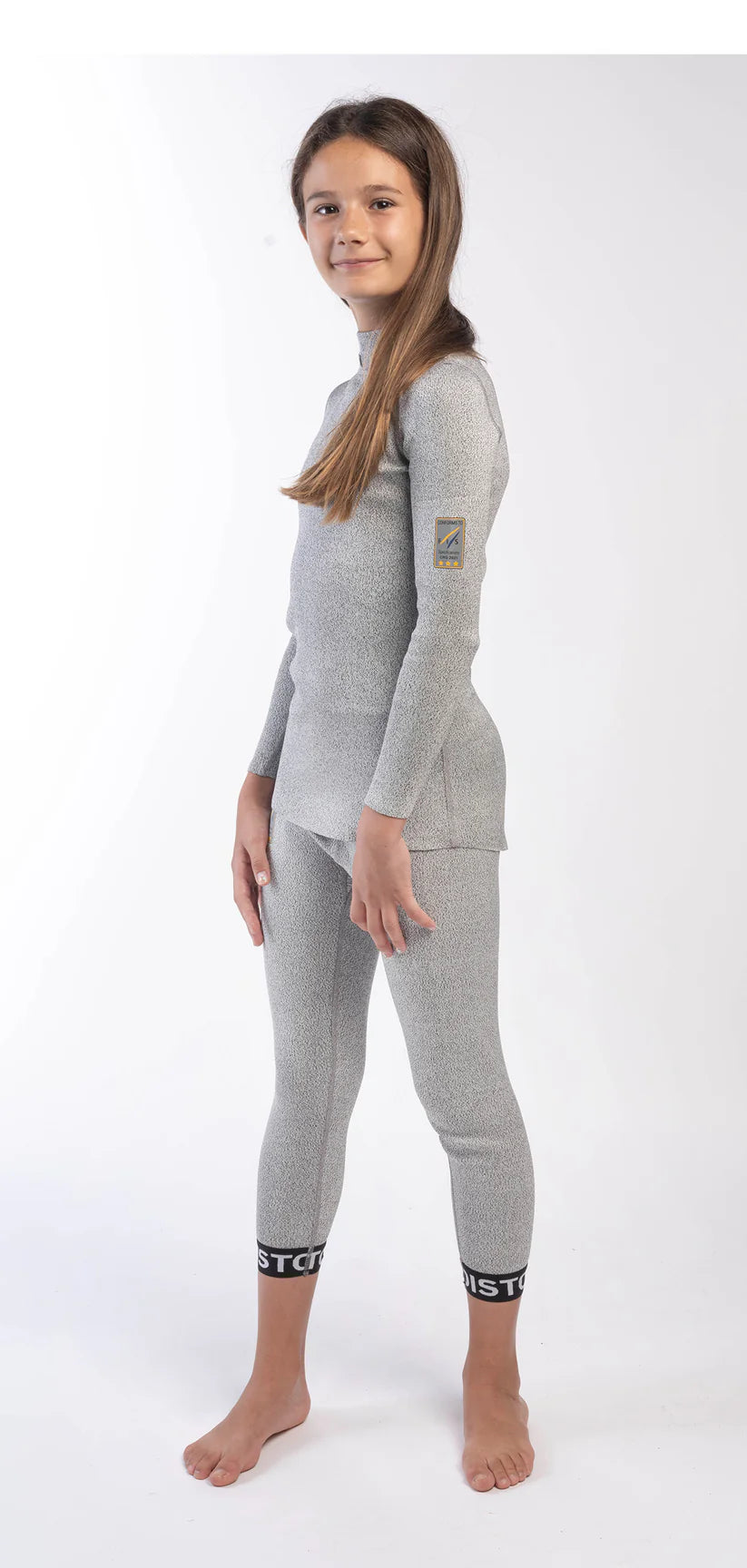
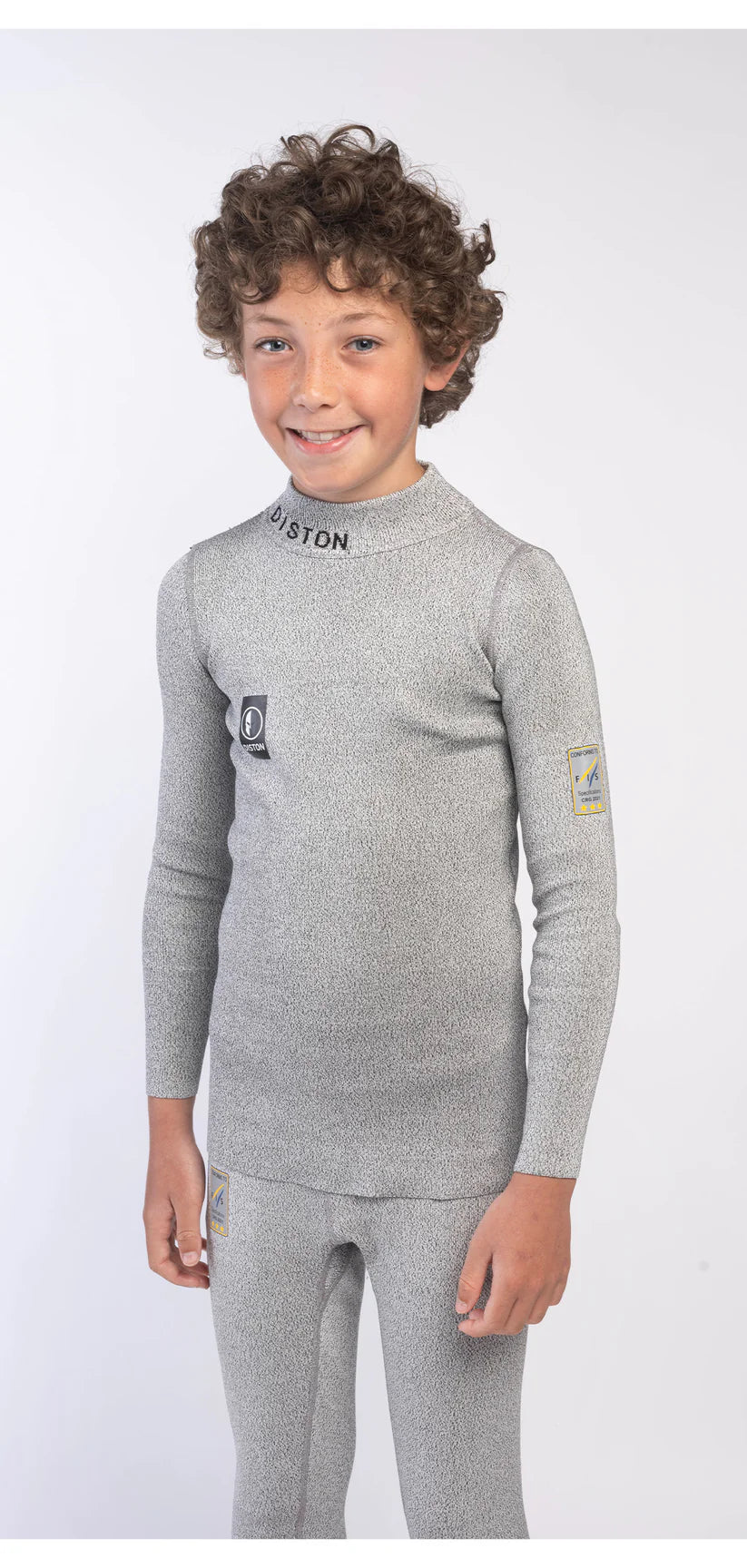
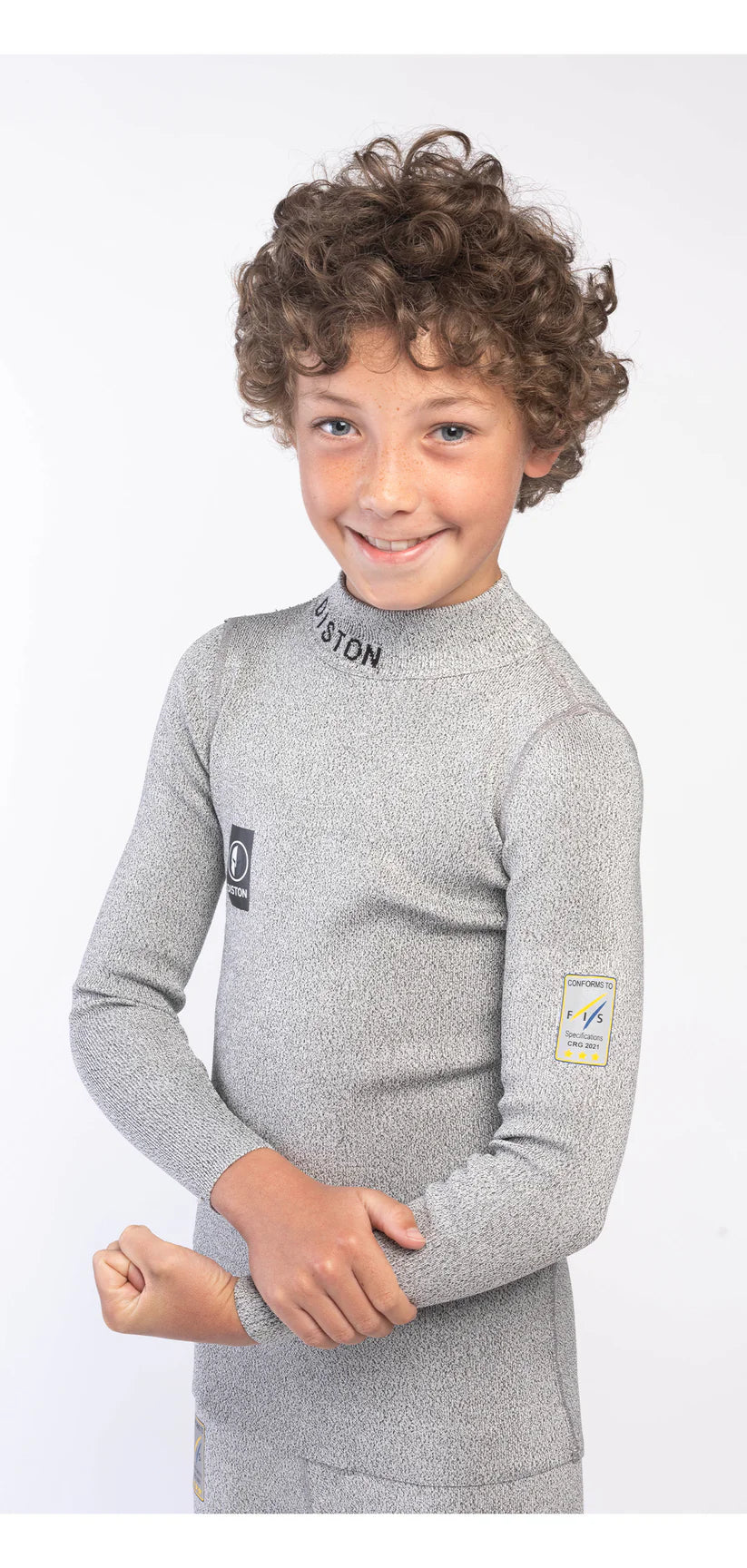
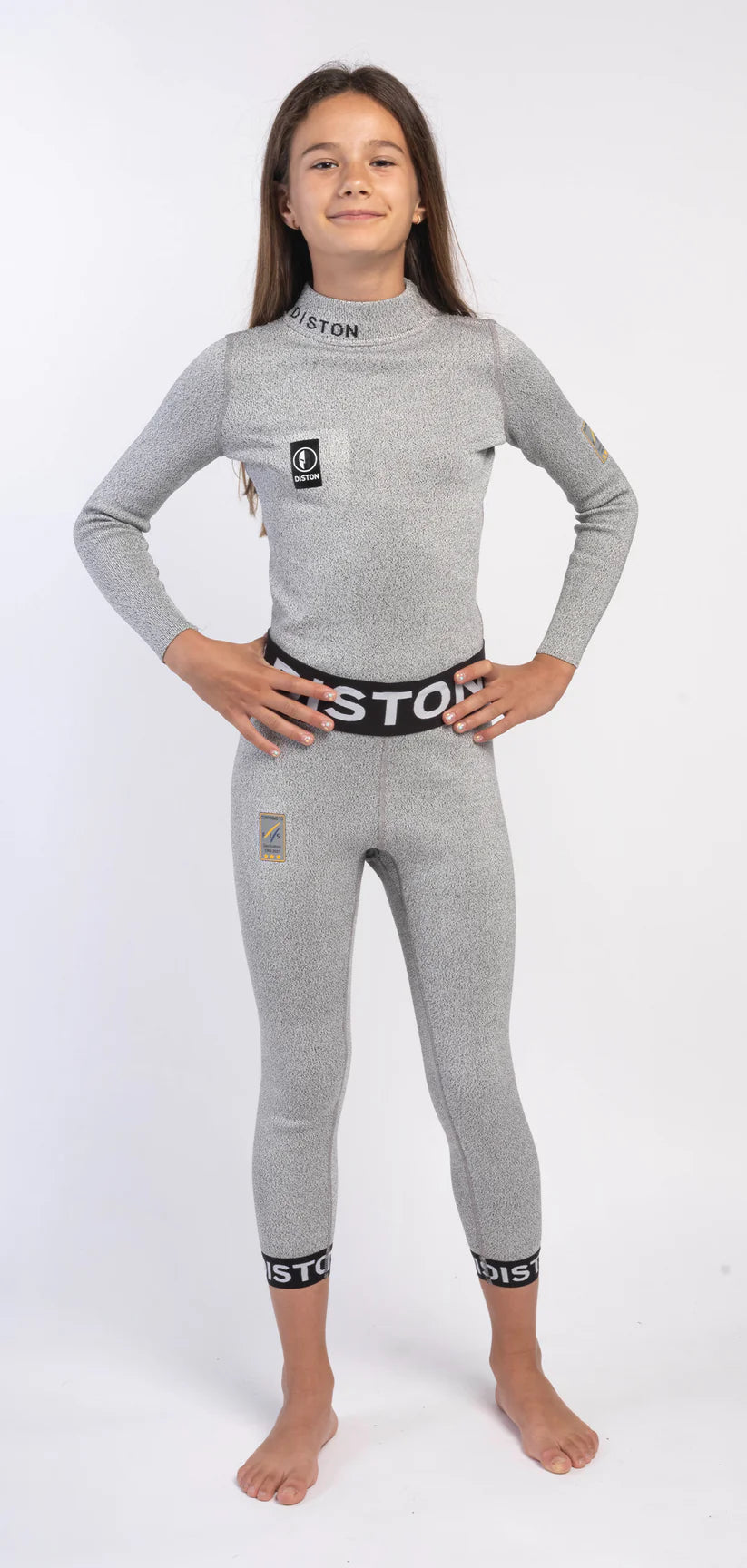
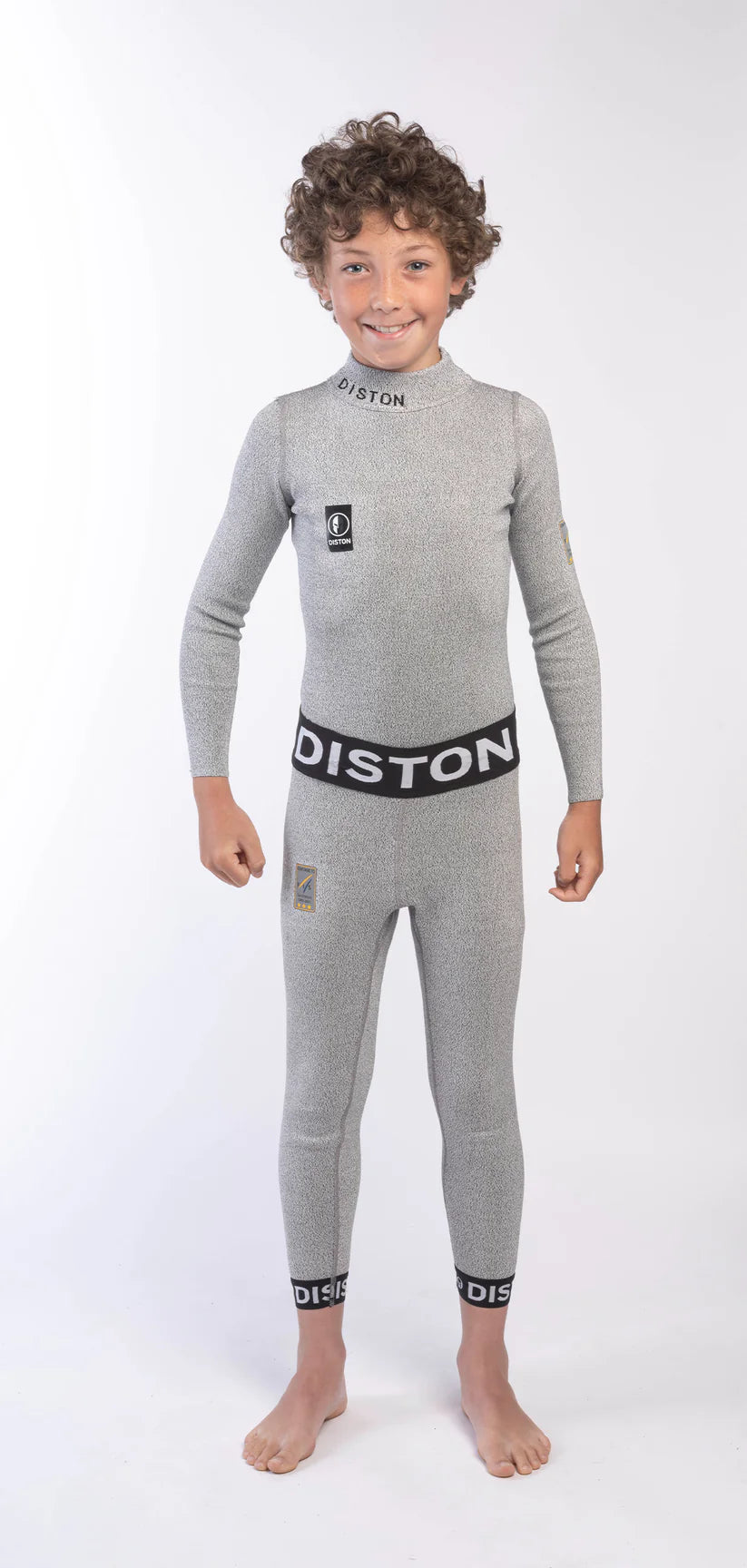
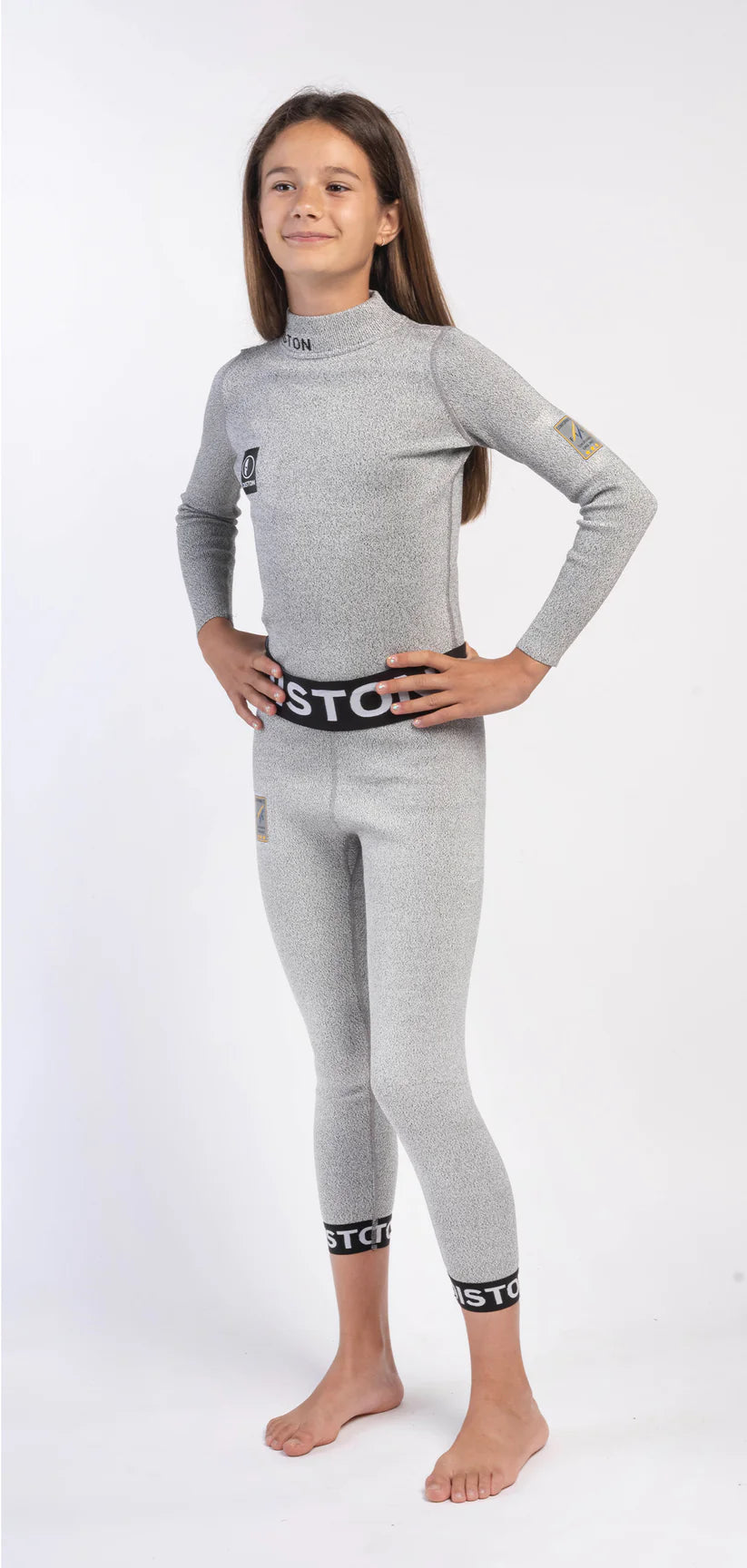
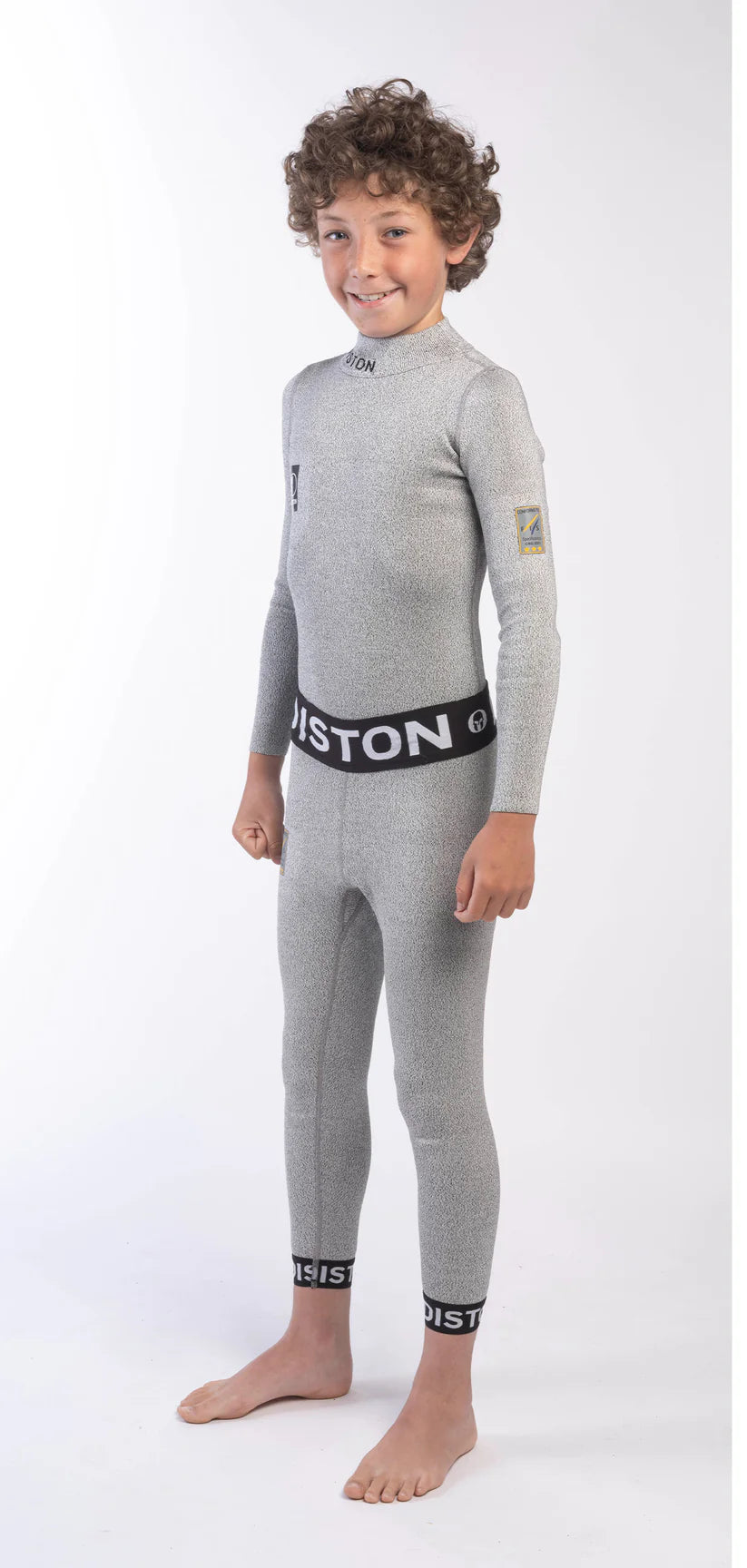
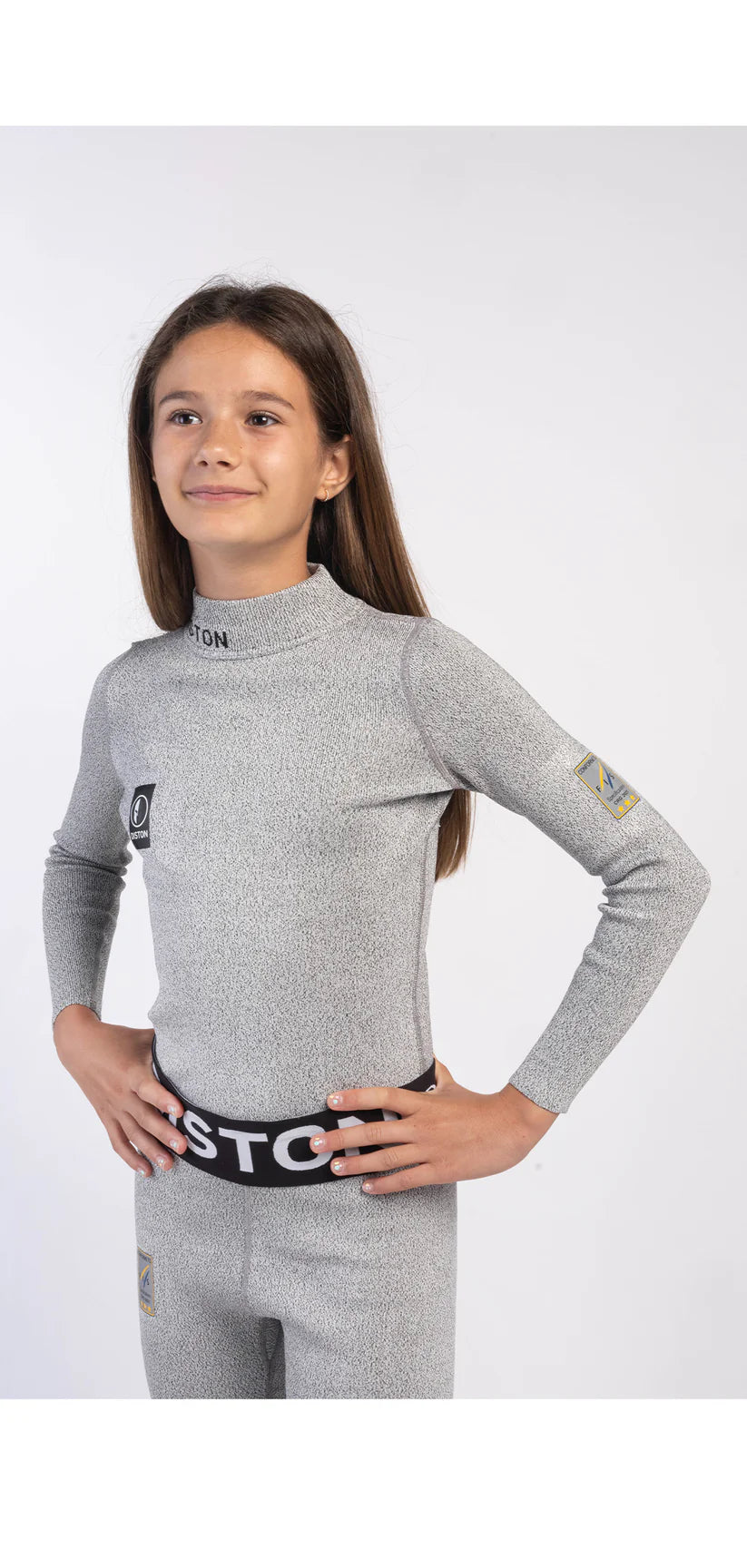
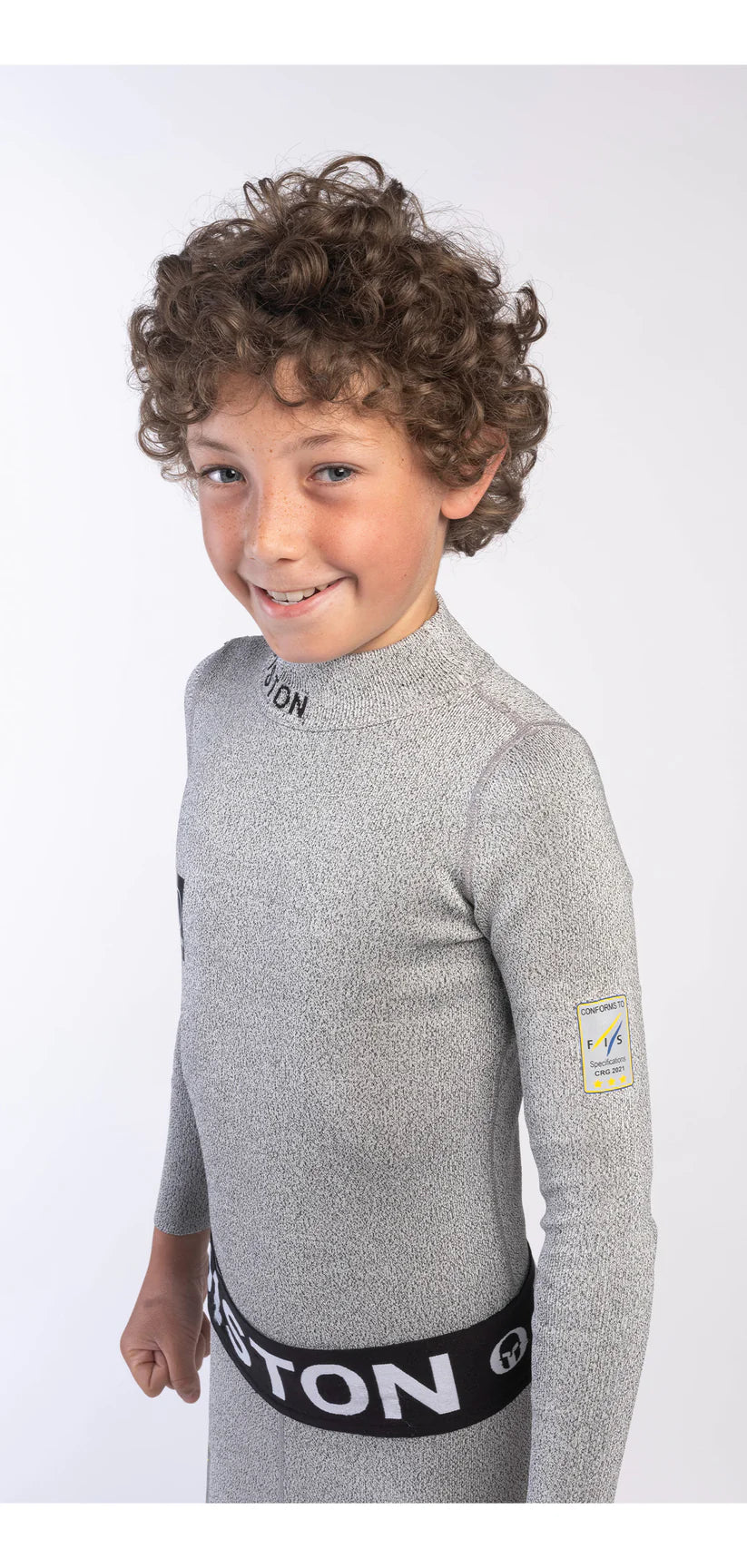
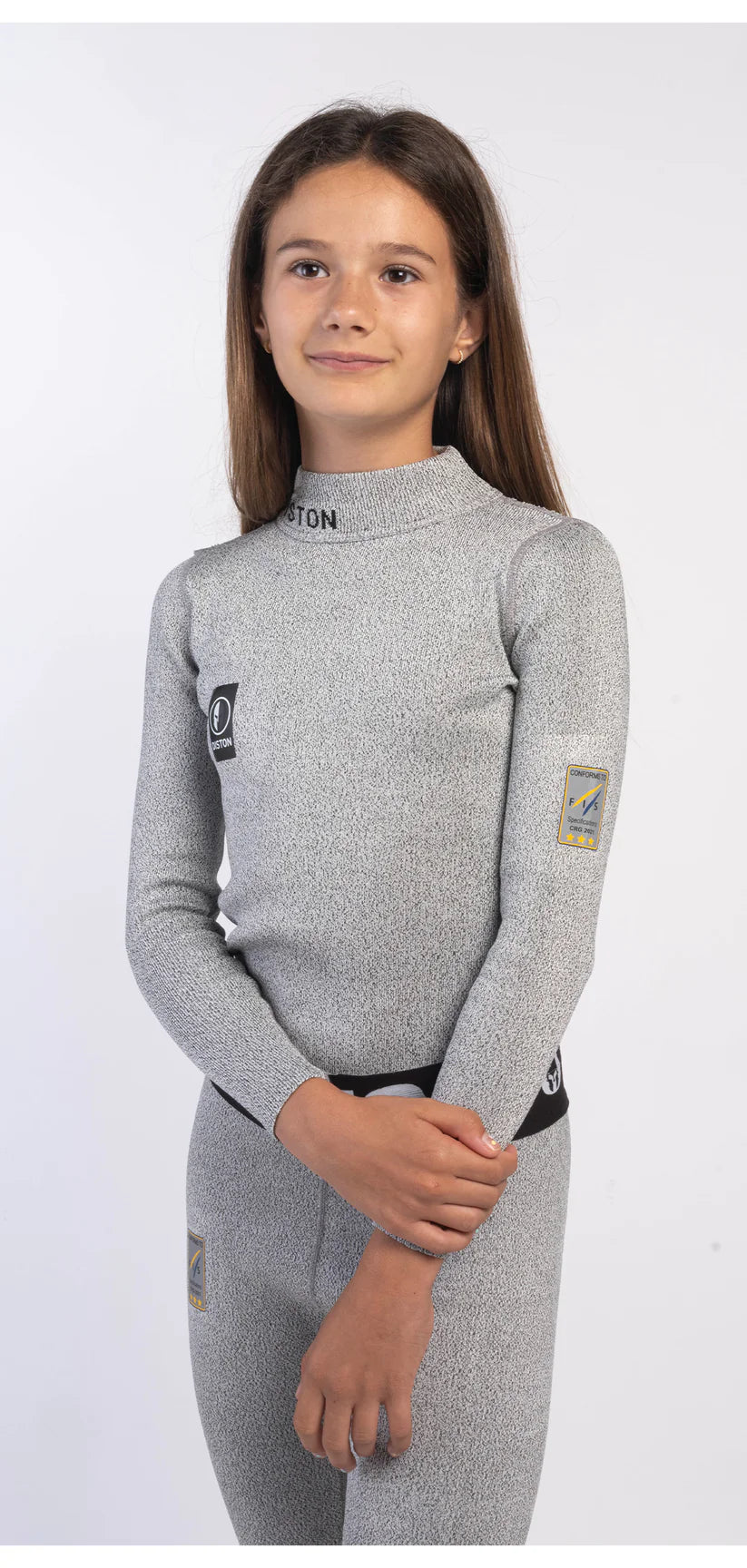
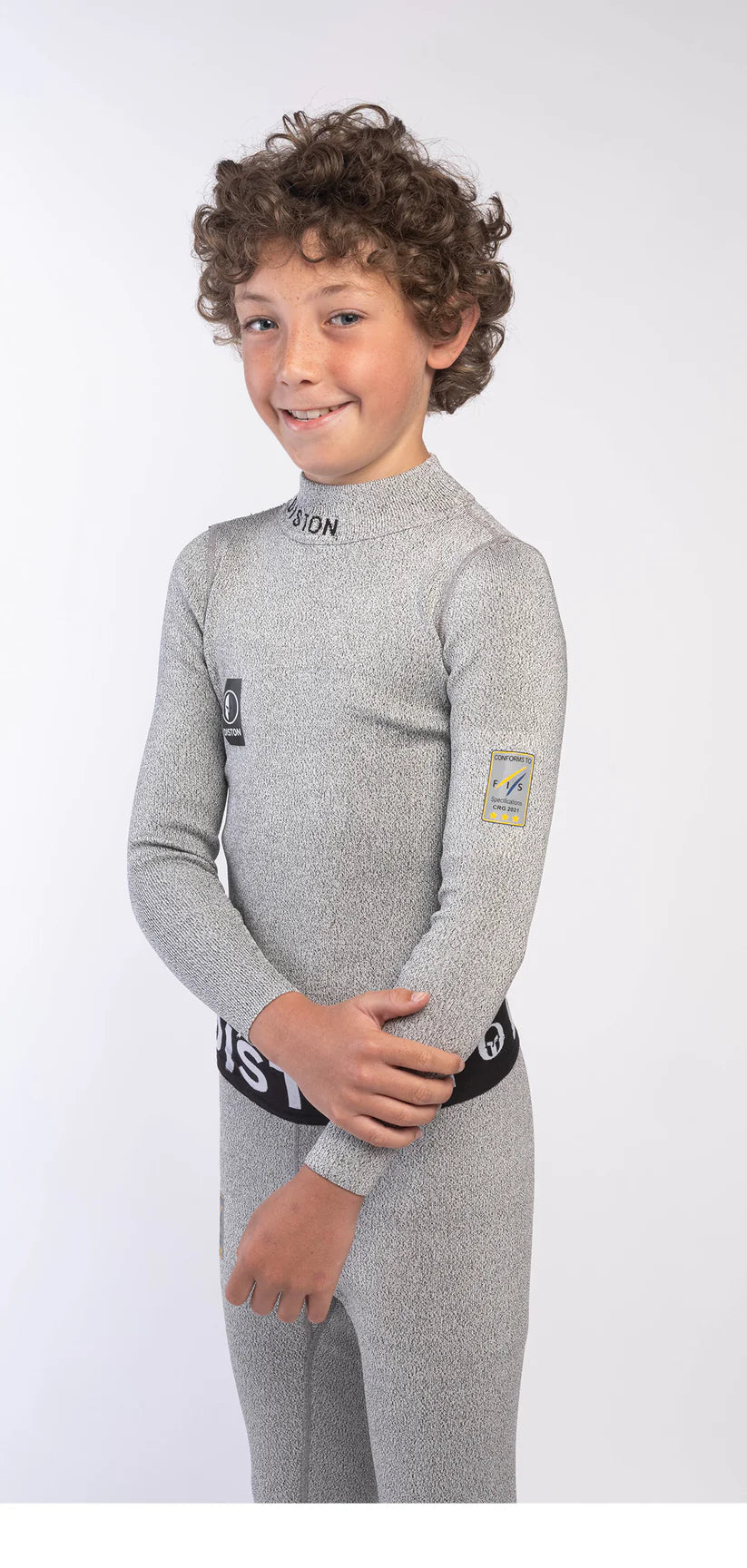
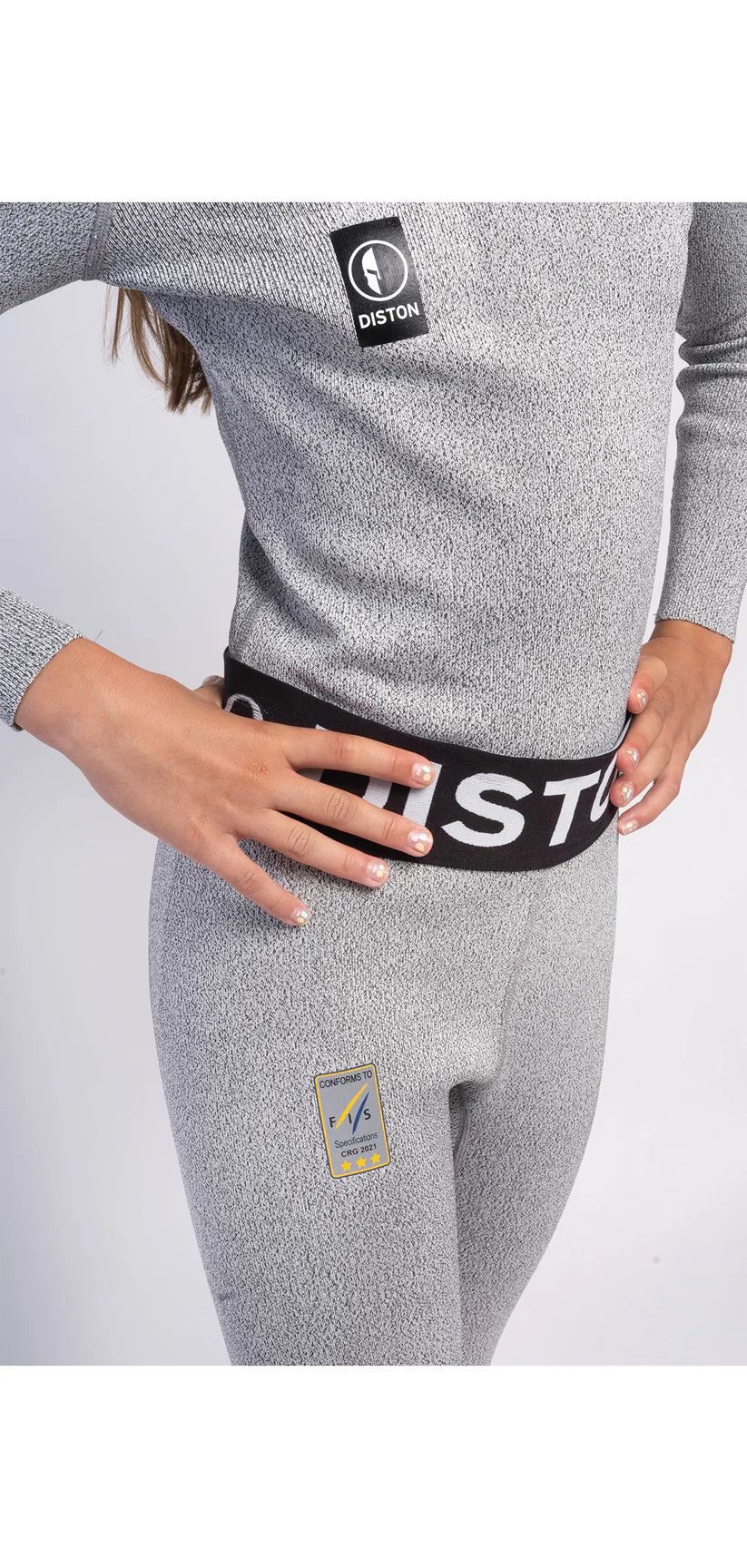
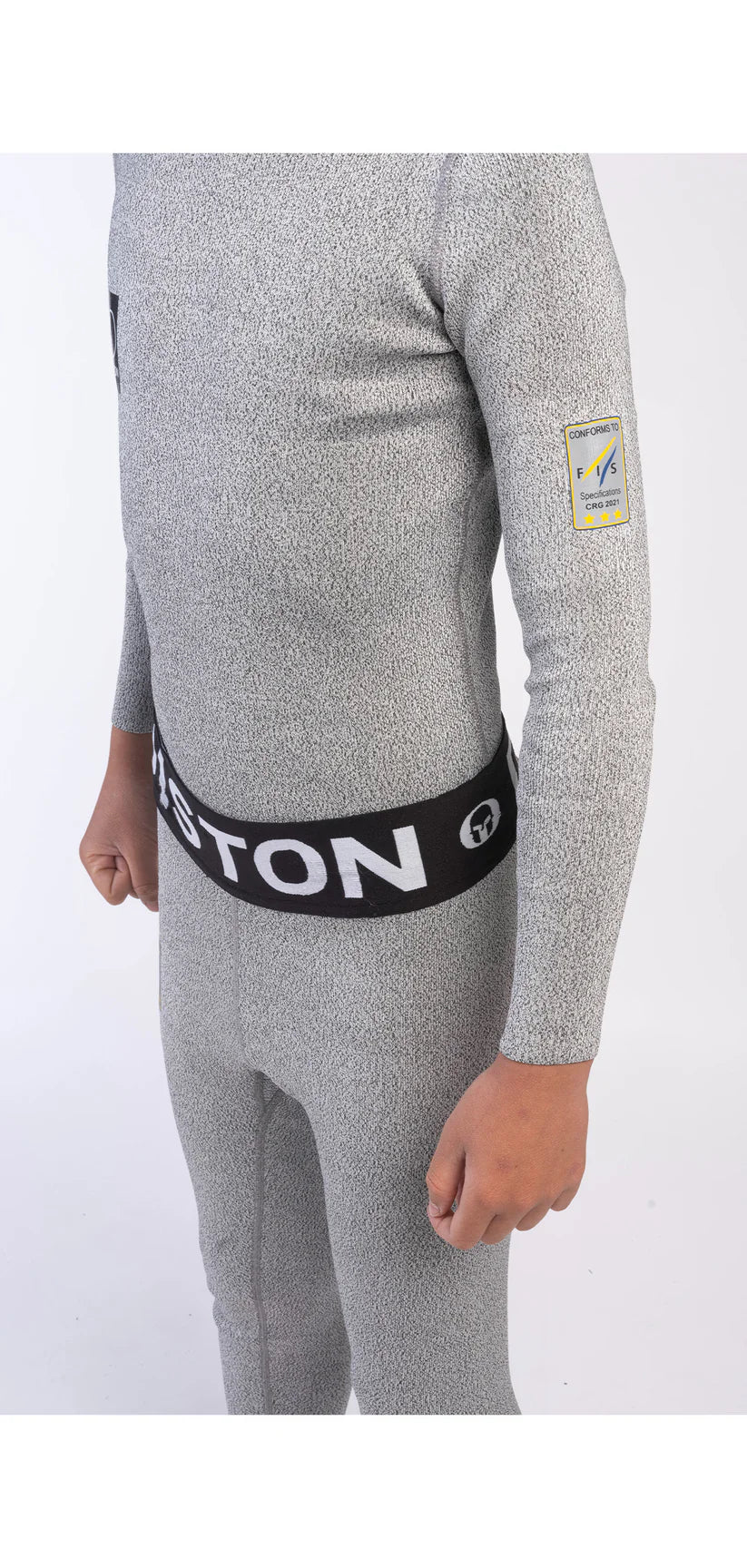
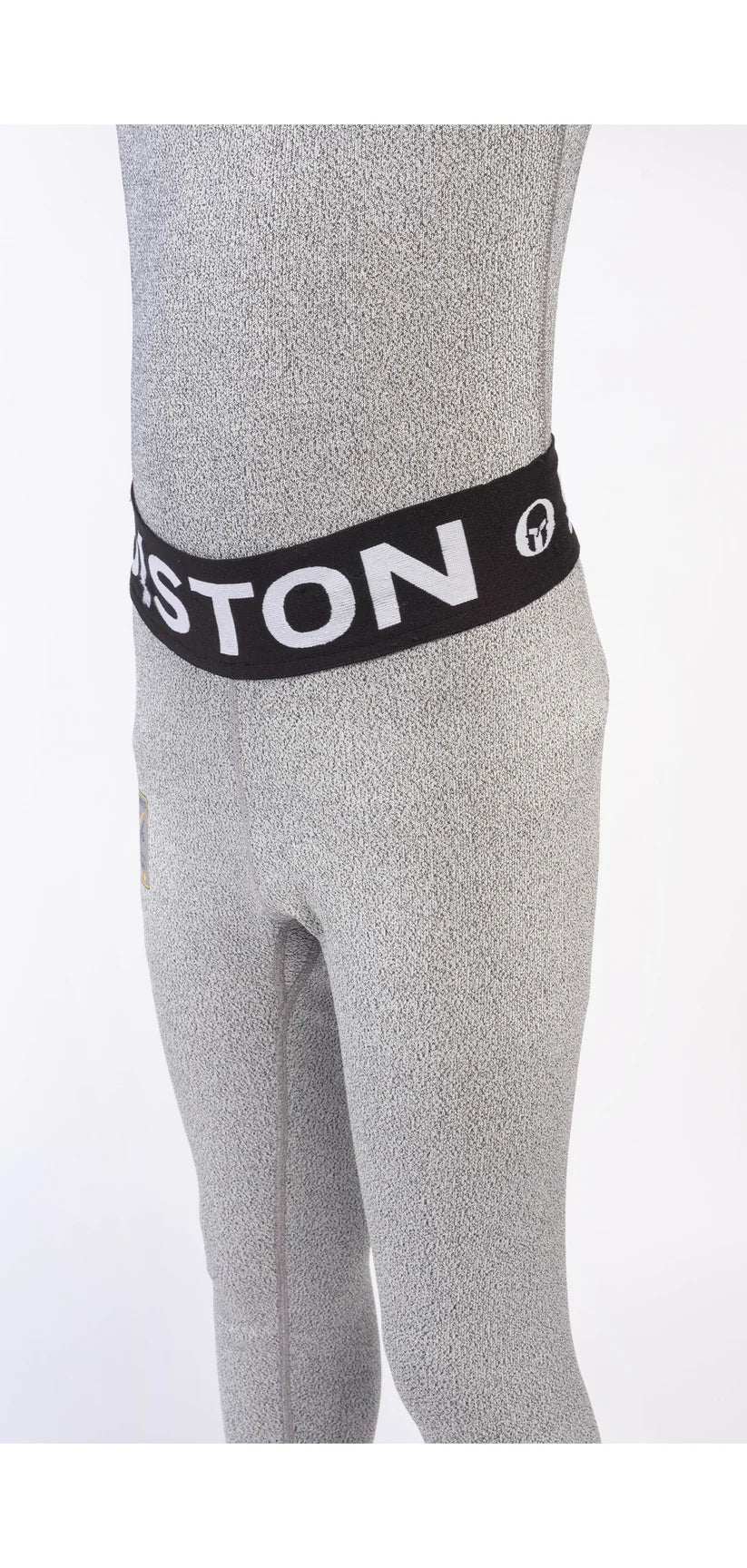
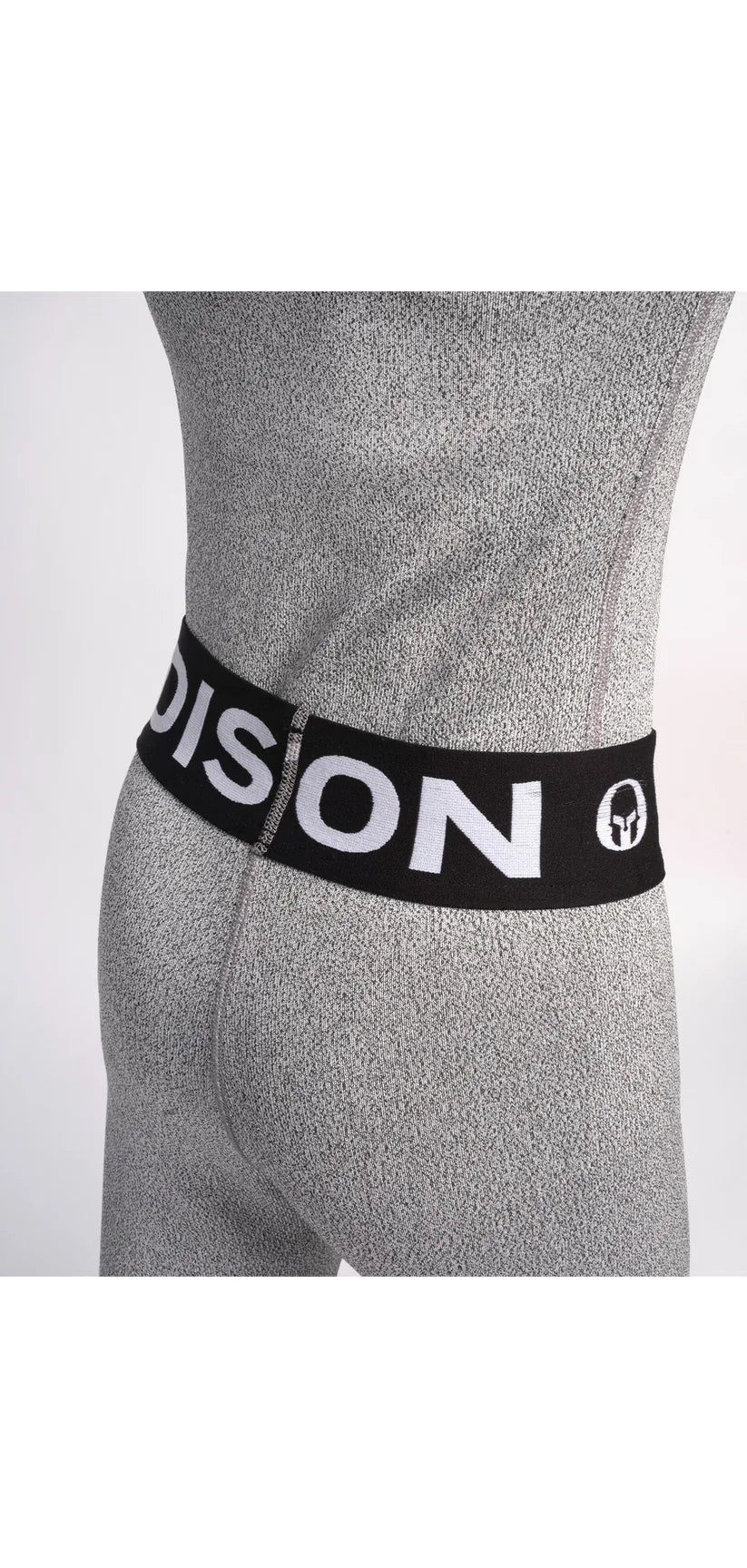
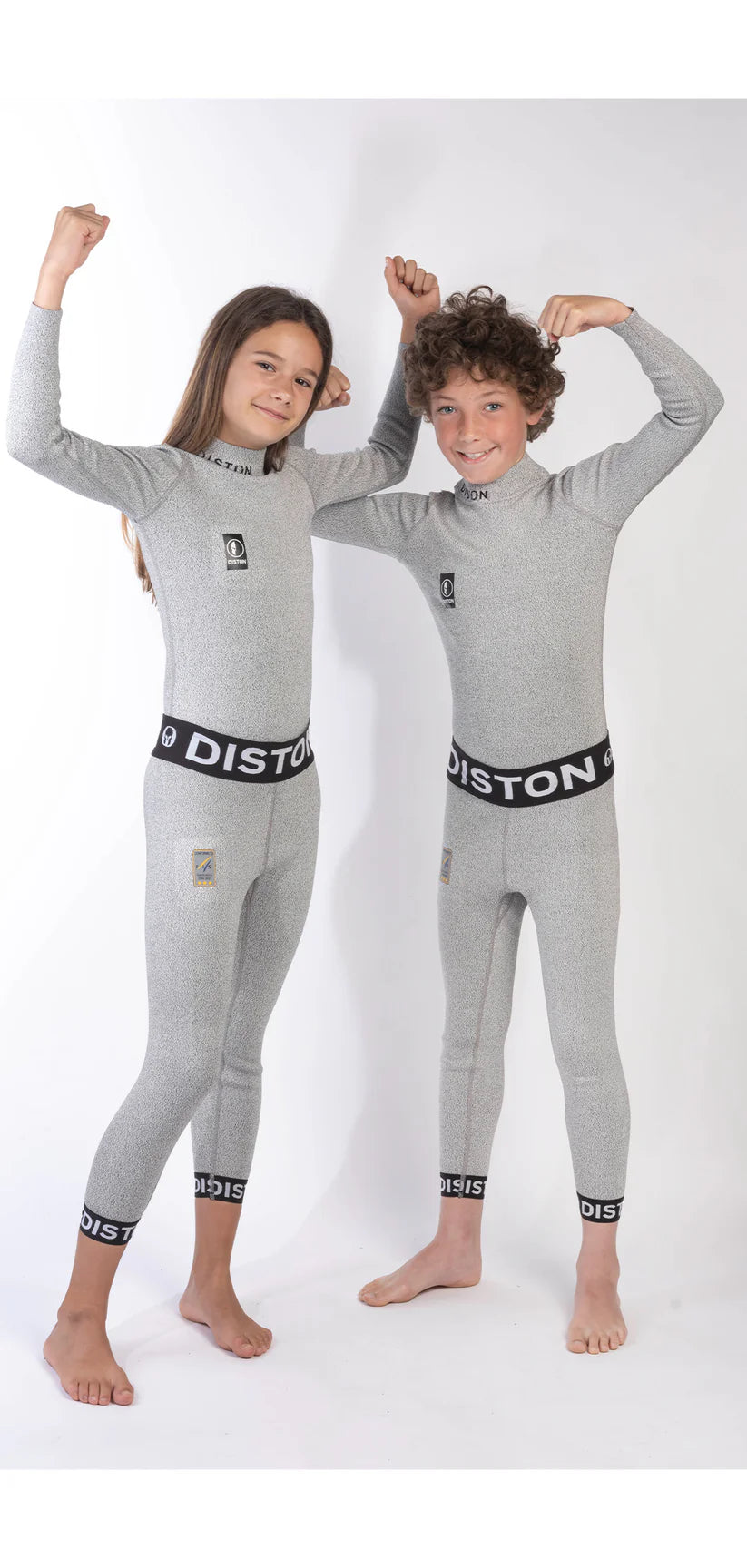
For ski racers
Useful for slalom, giant slalom, Super-G, downhill, training and races – especially at high speed and close ski contact.
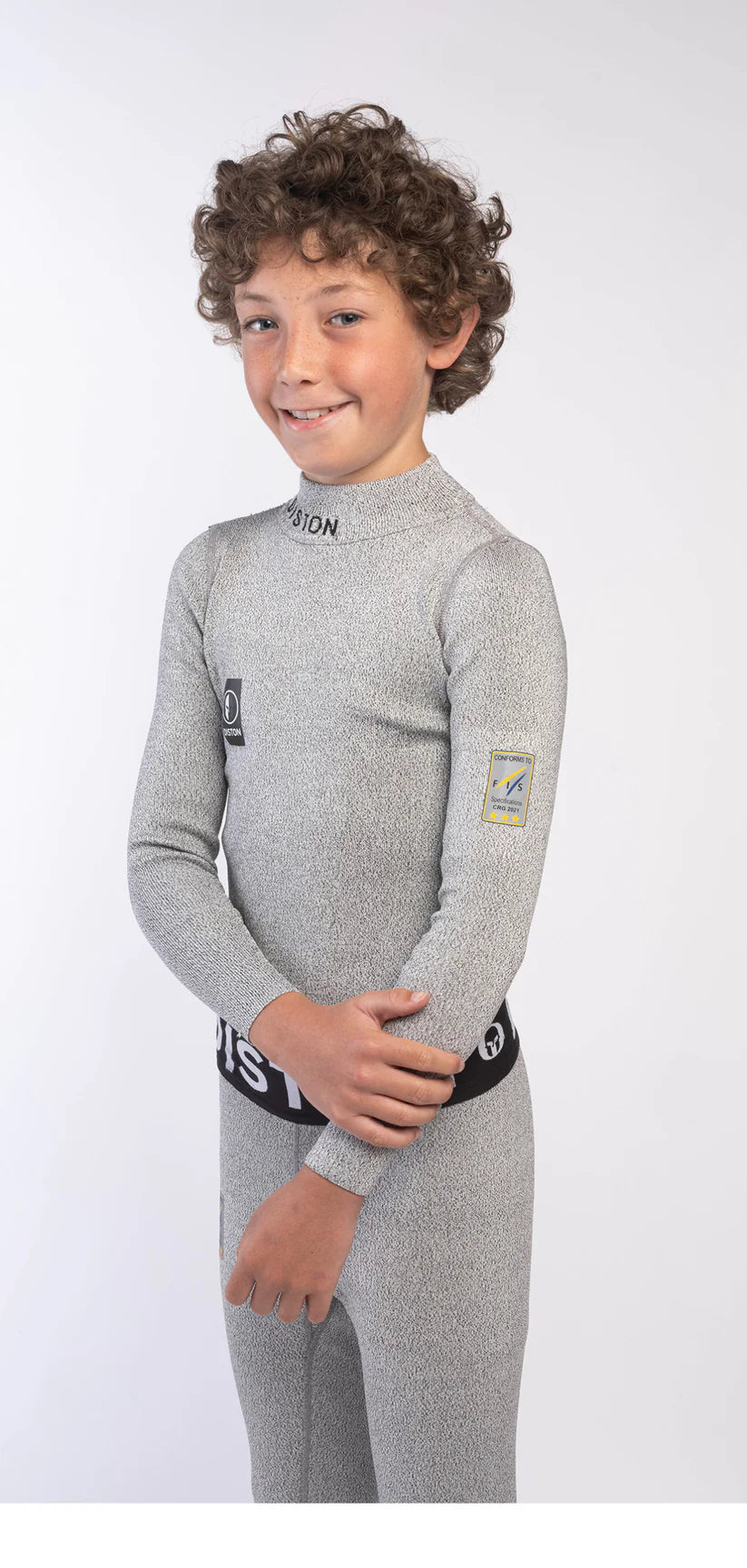
Cut-resistant protection for alpine skiing & racing
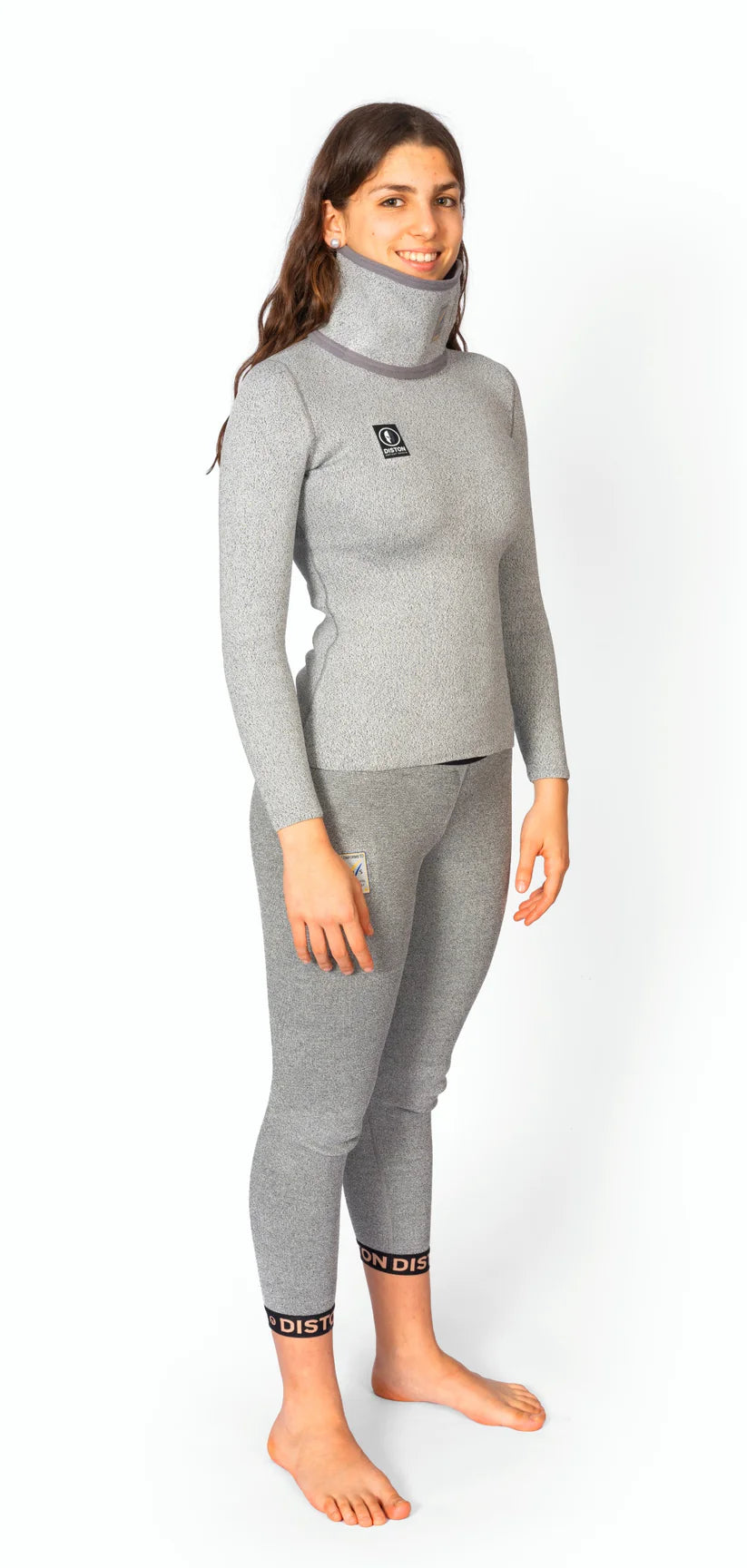
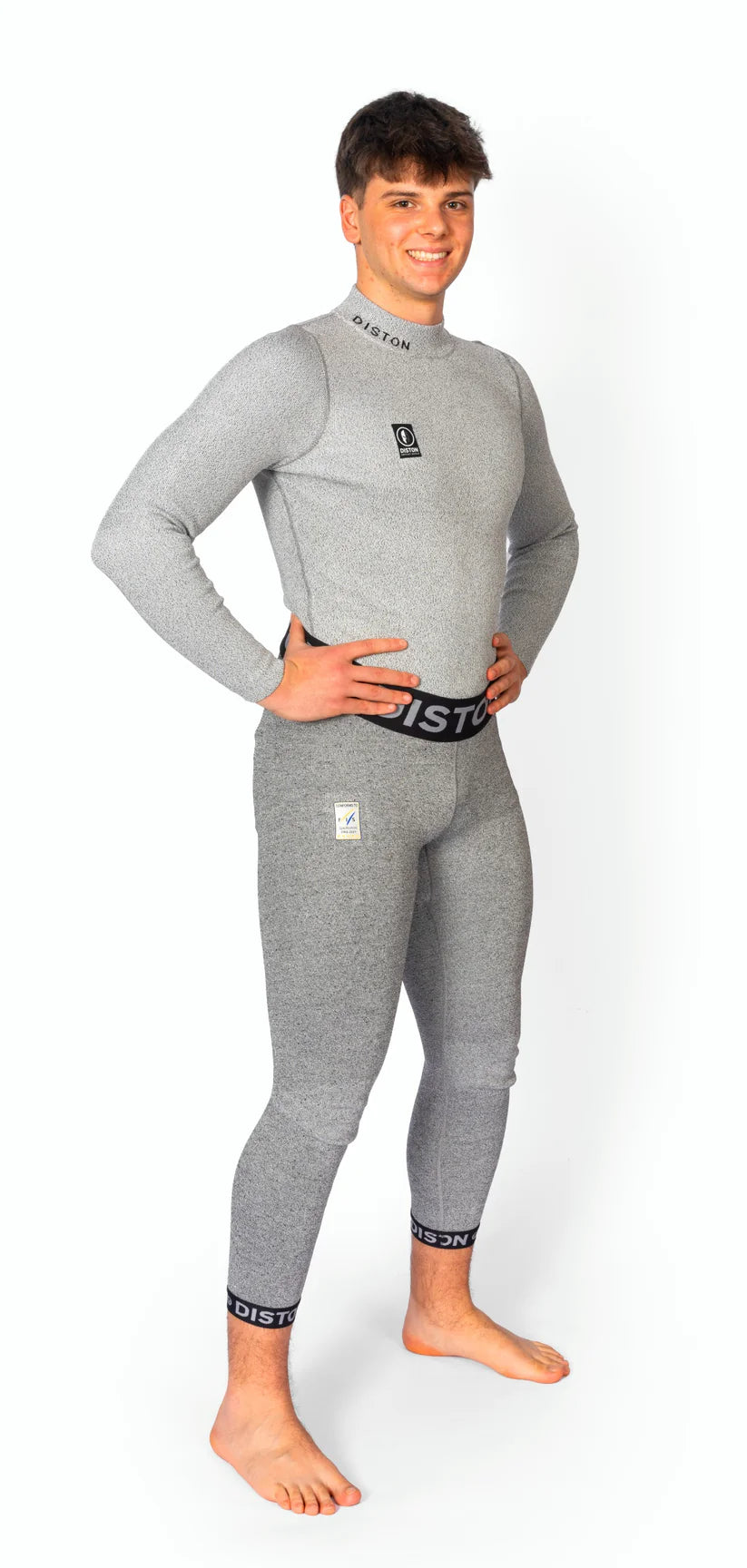
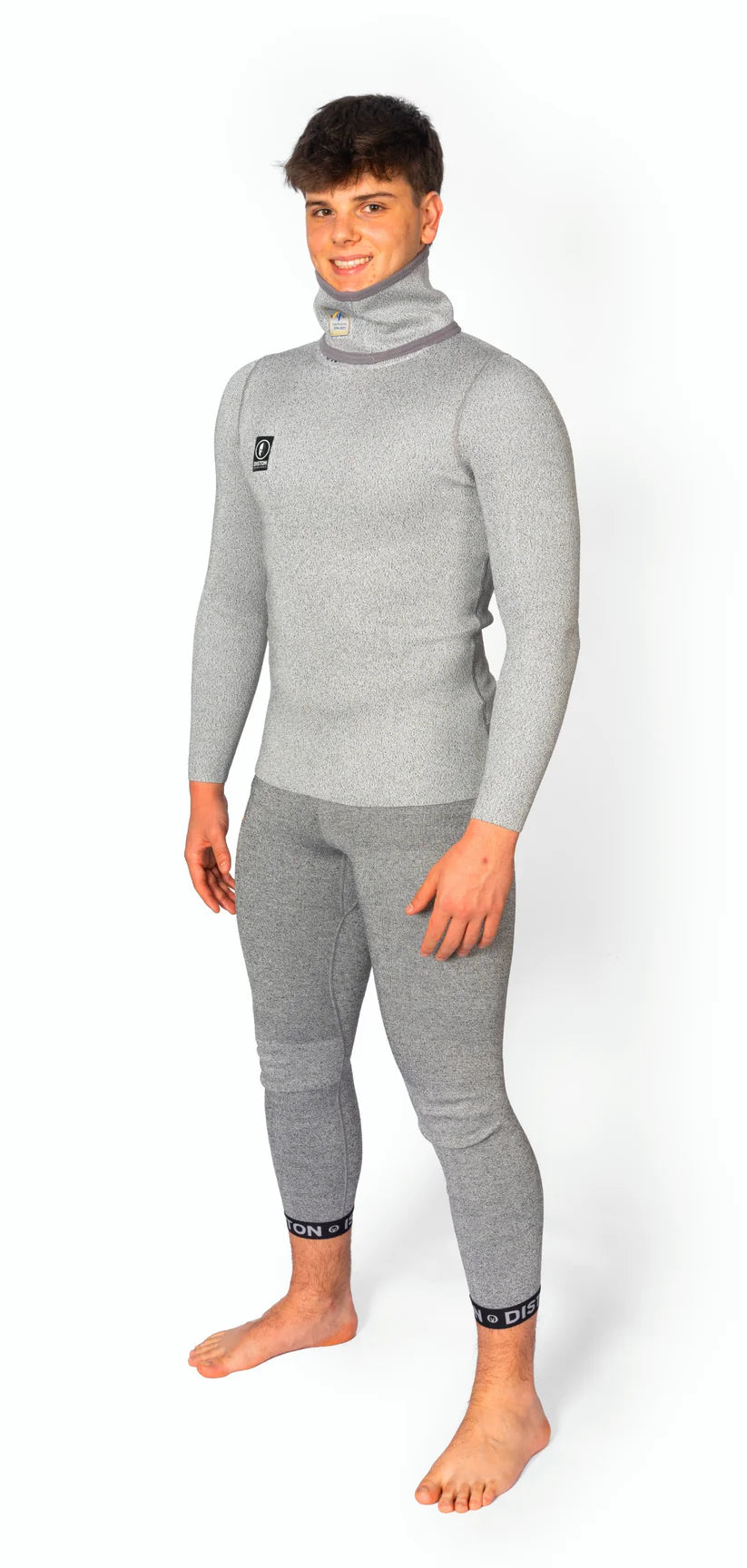
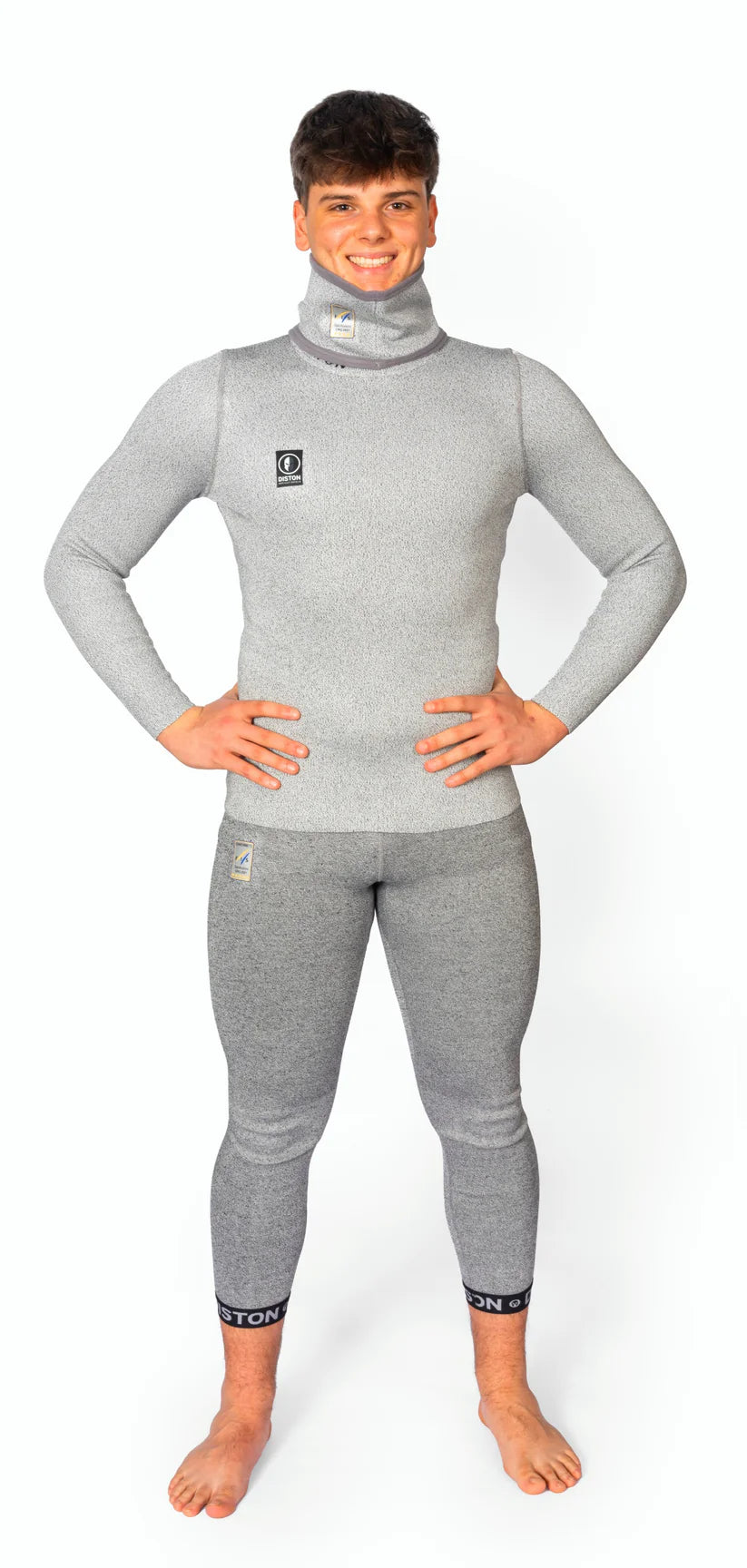
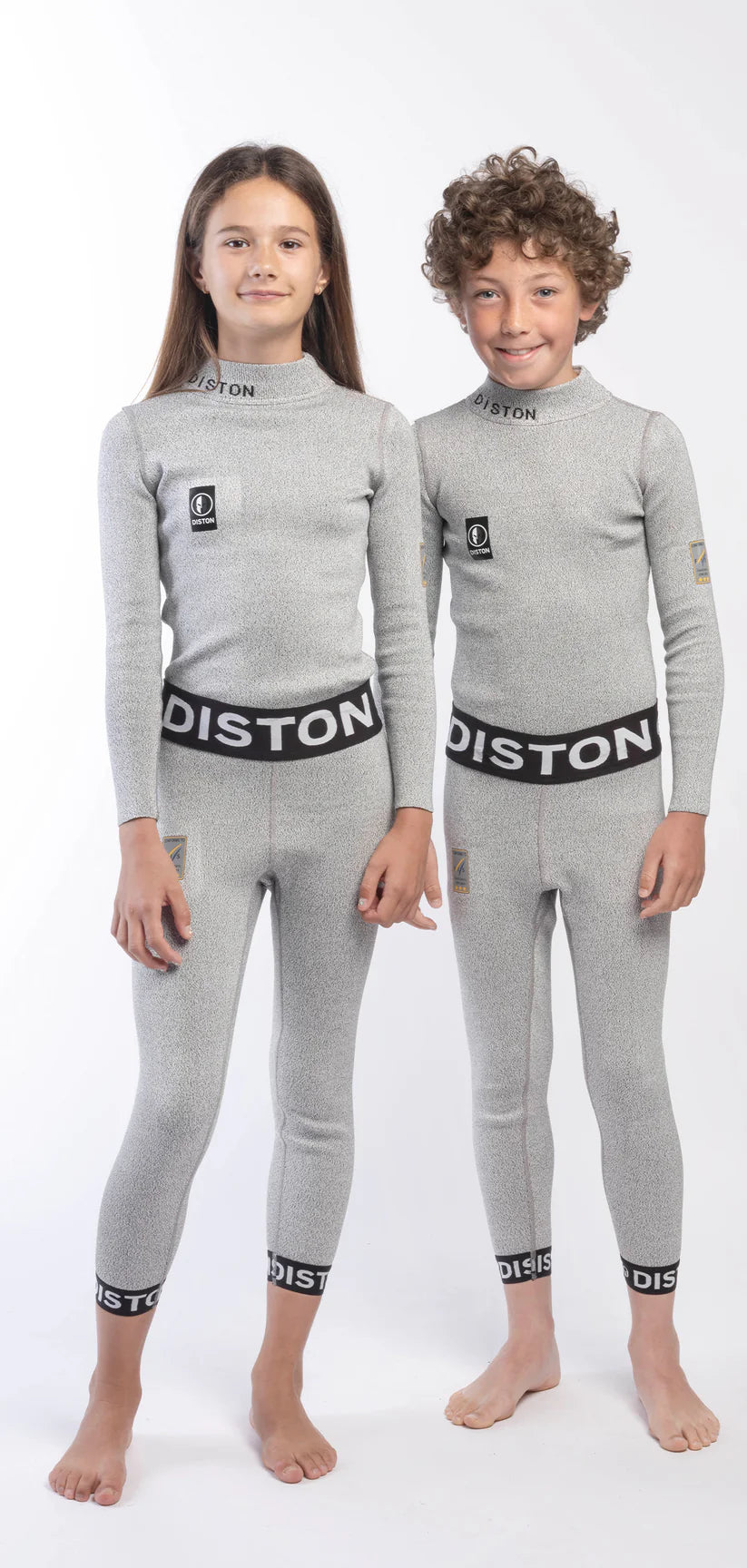
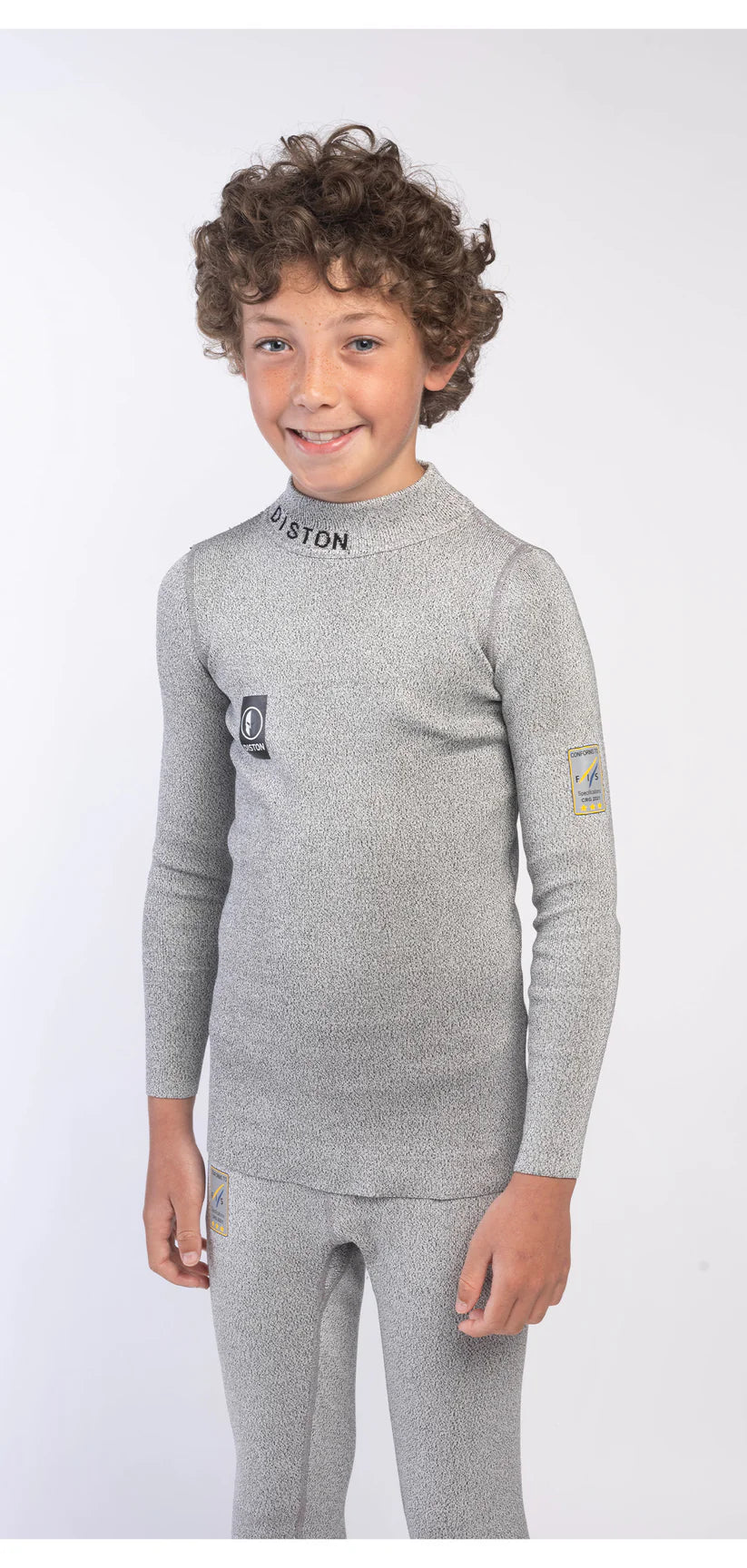
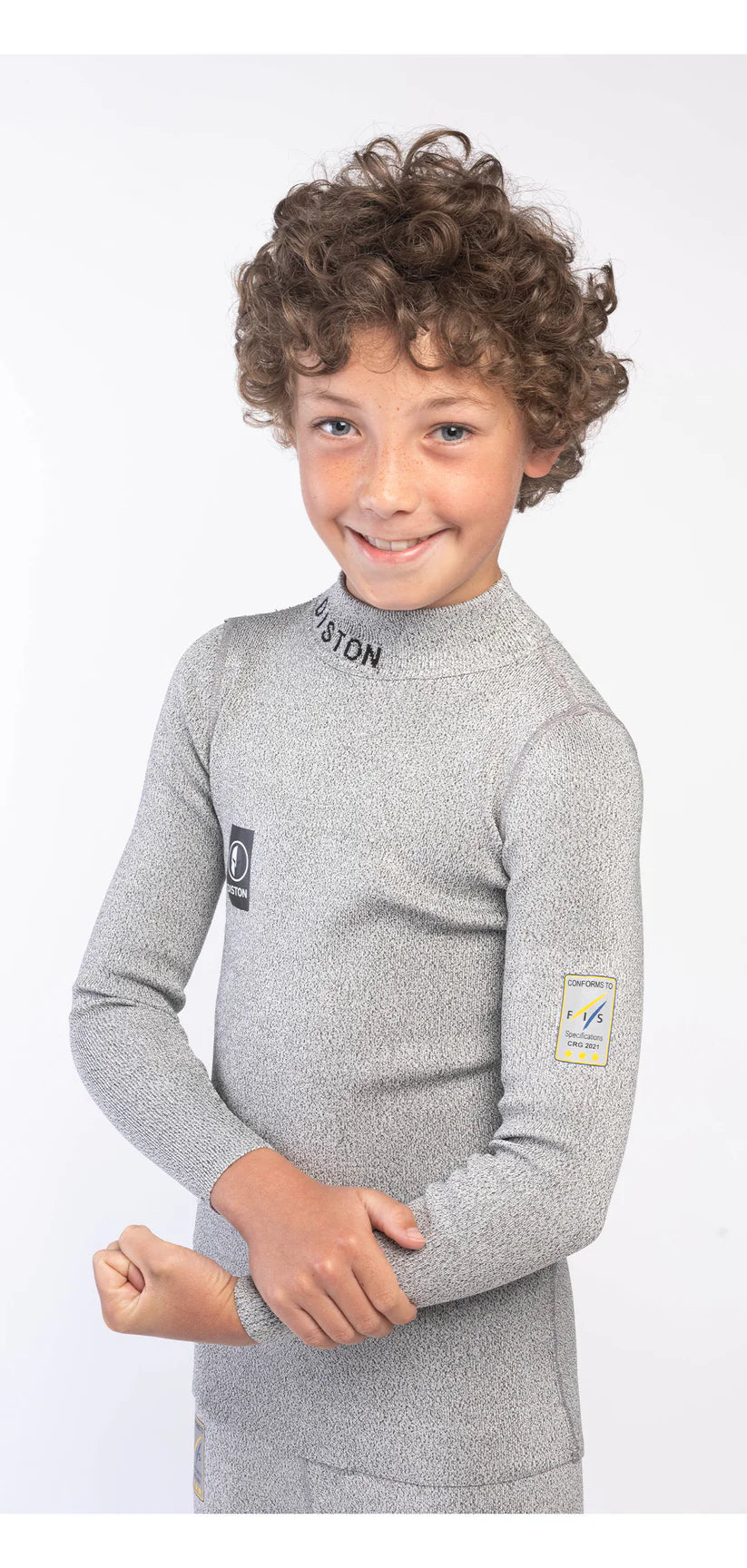
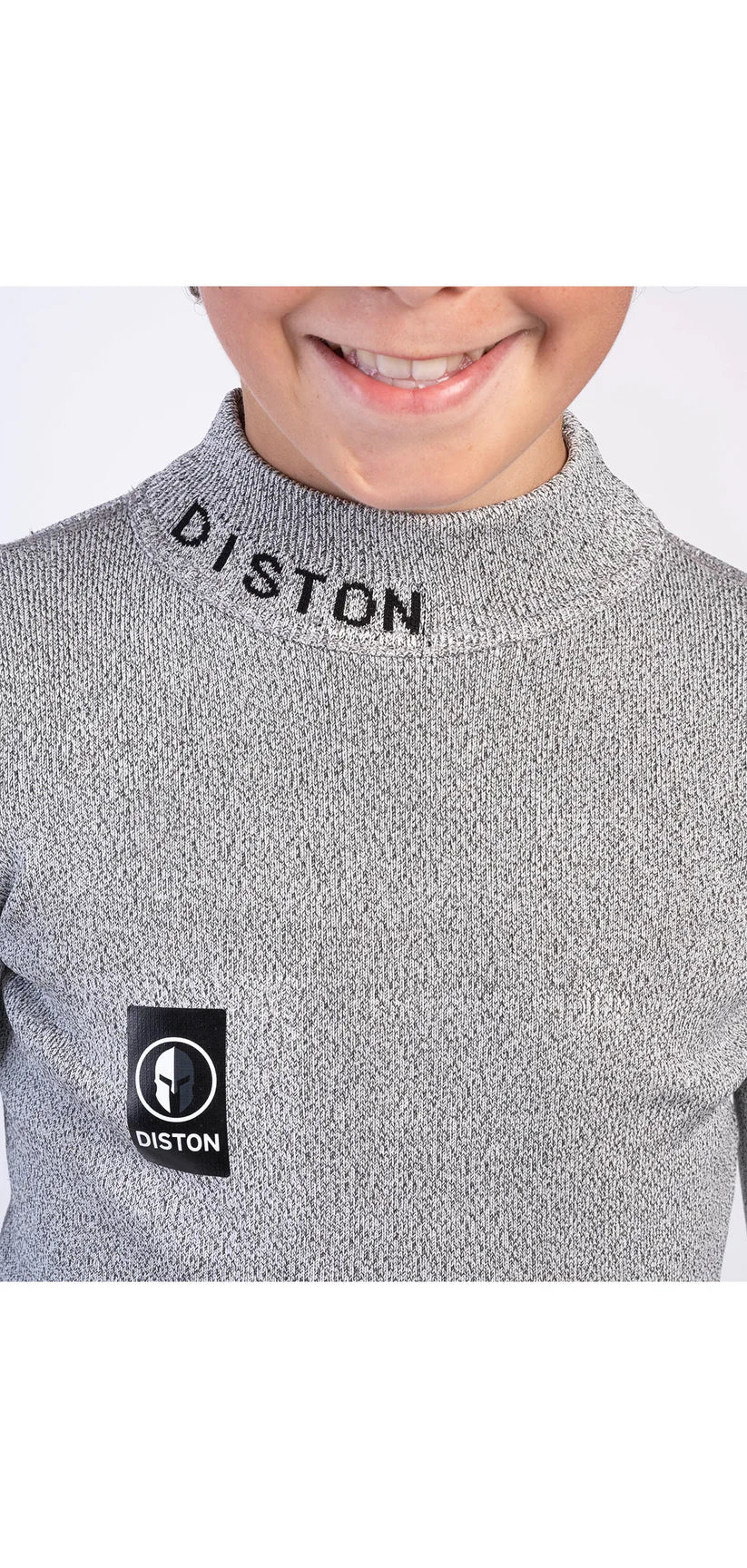
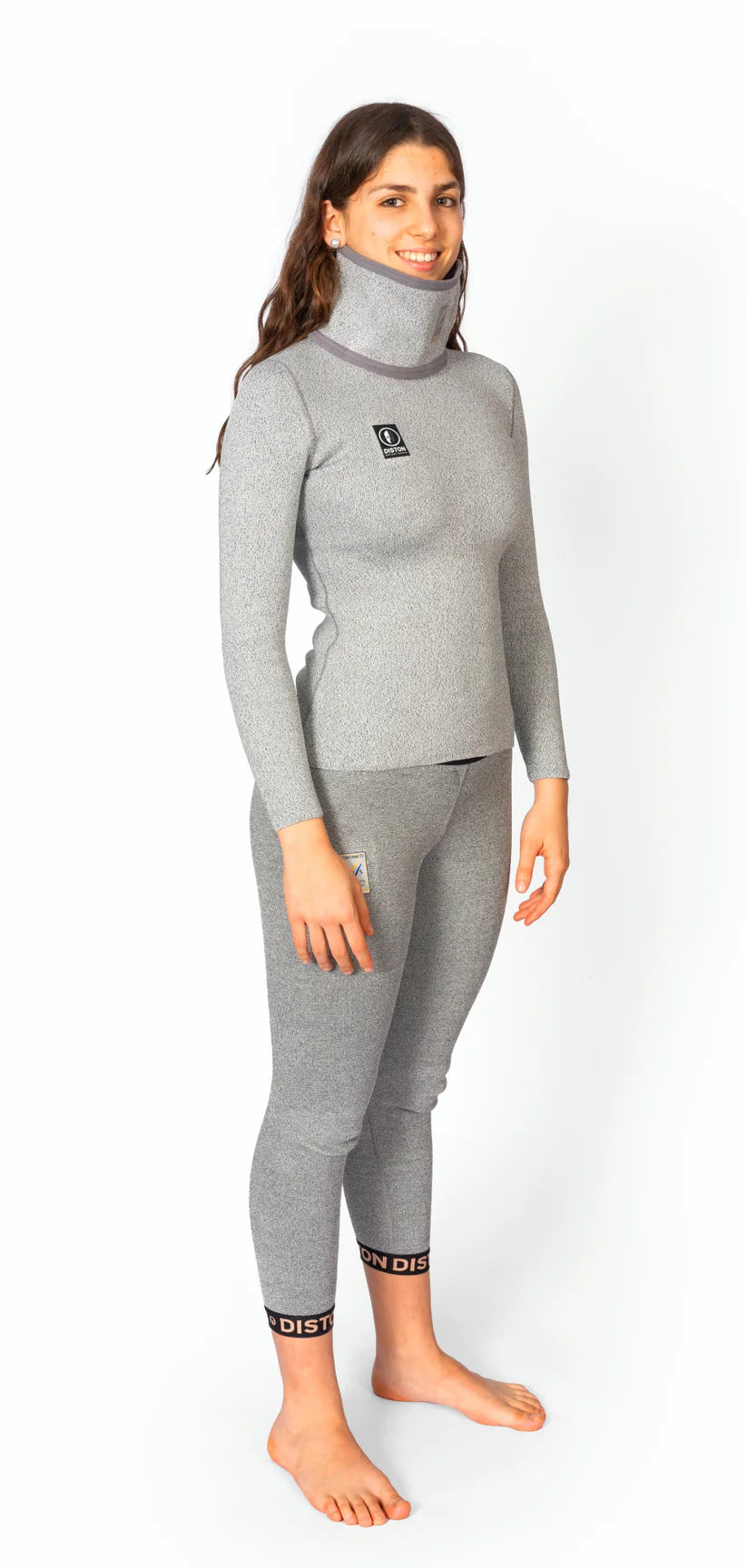
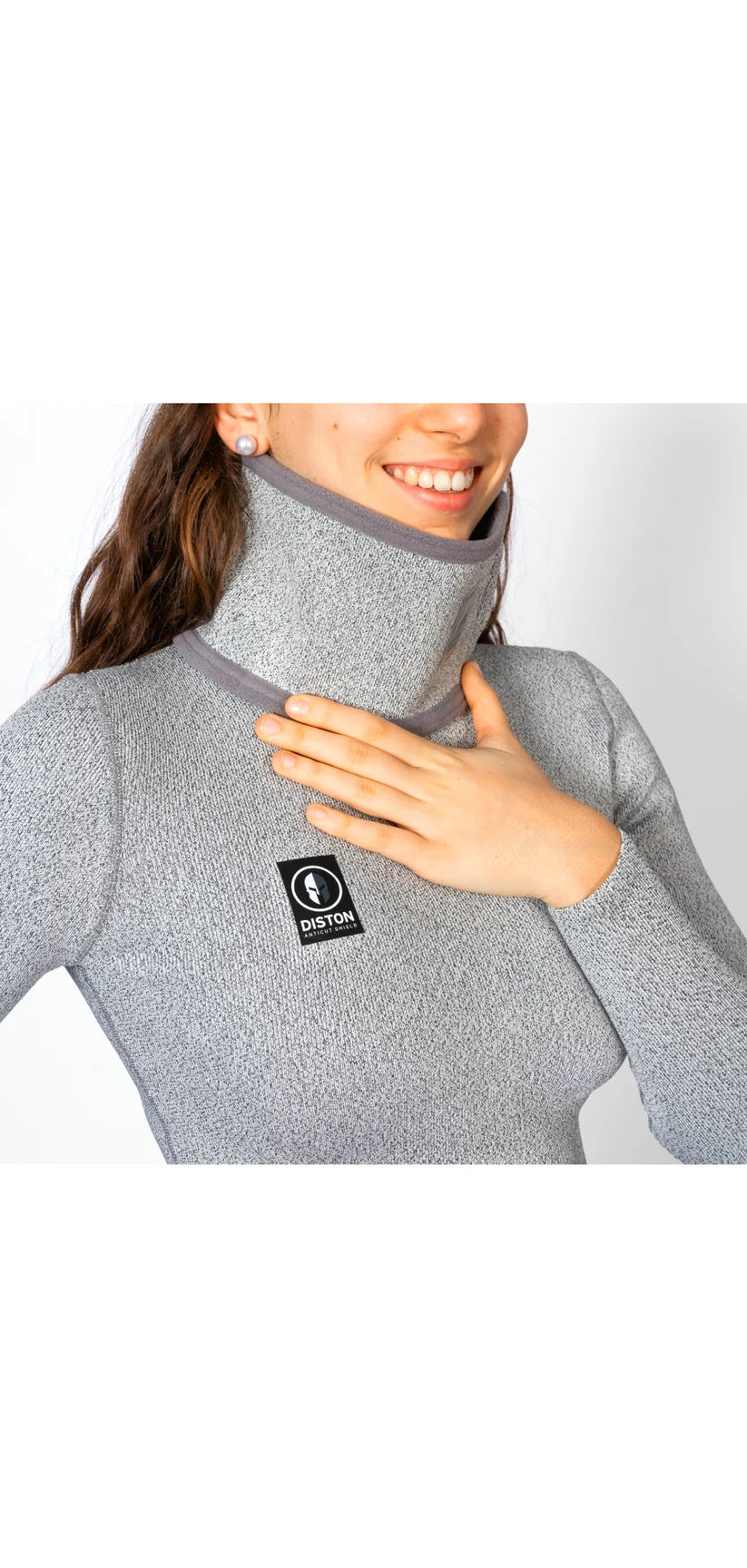
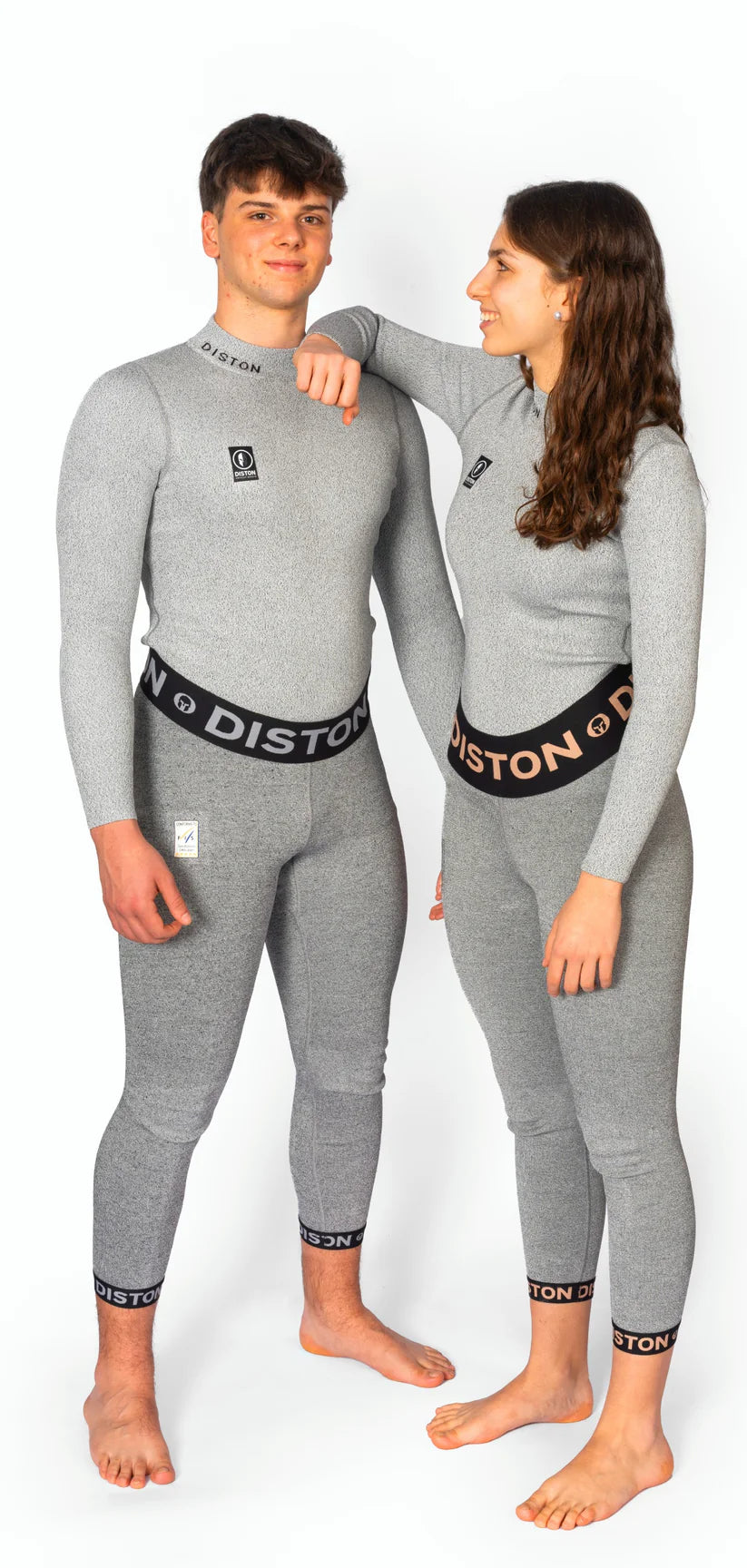
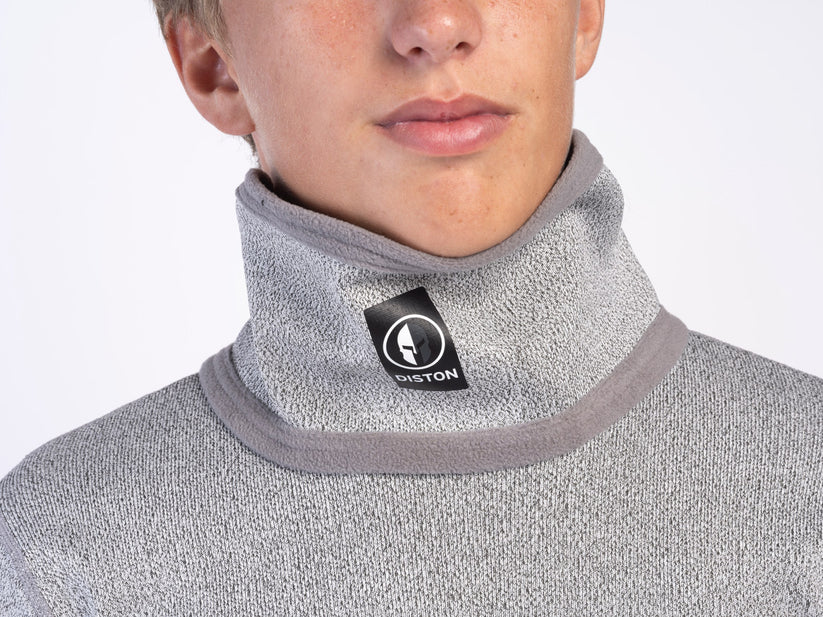
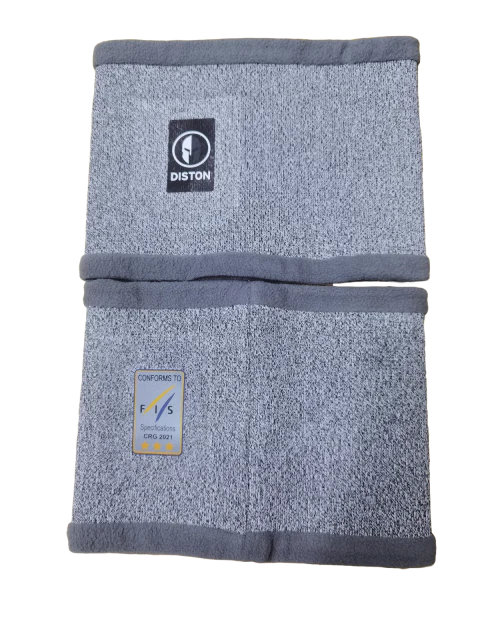
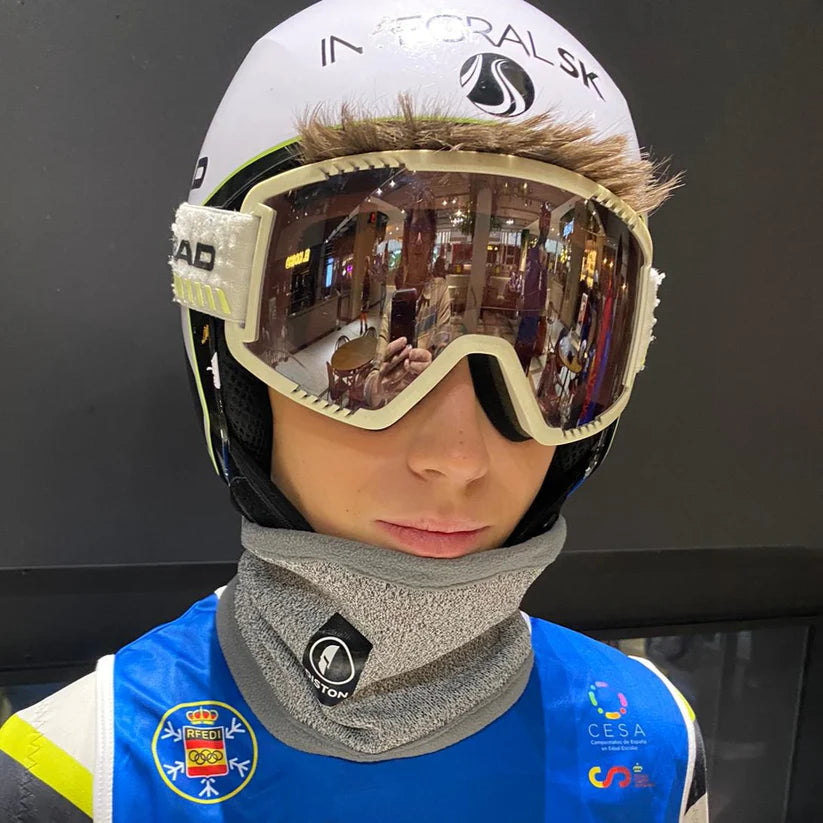
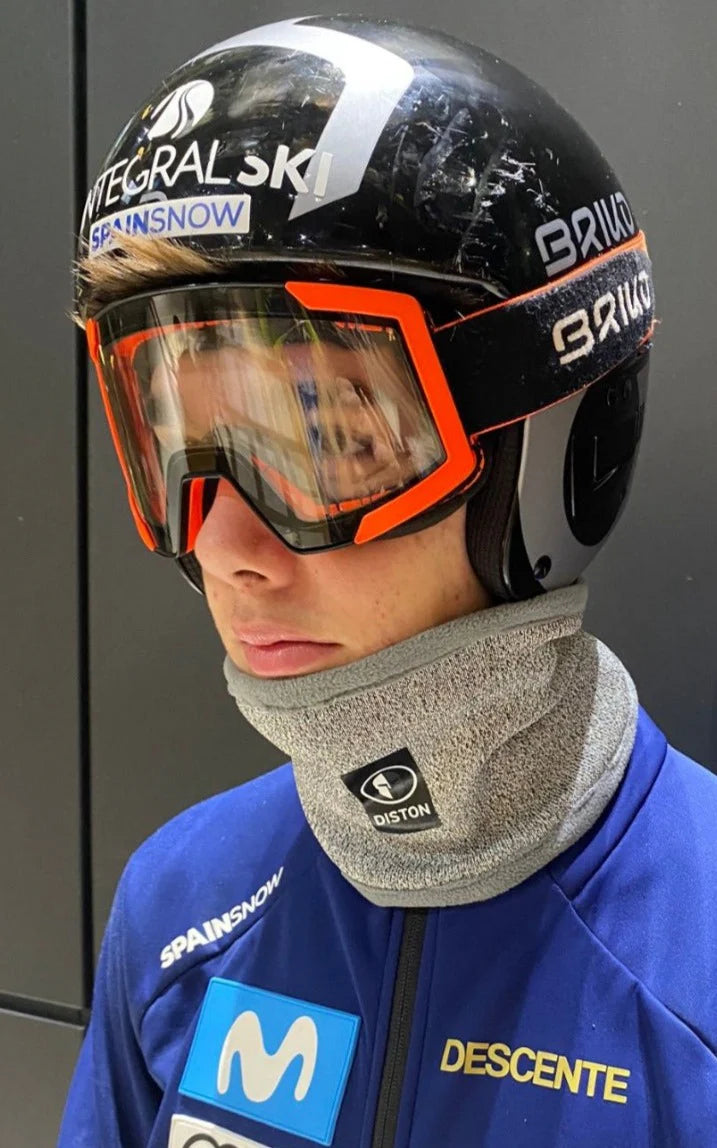
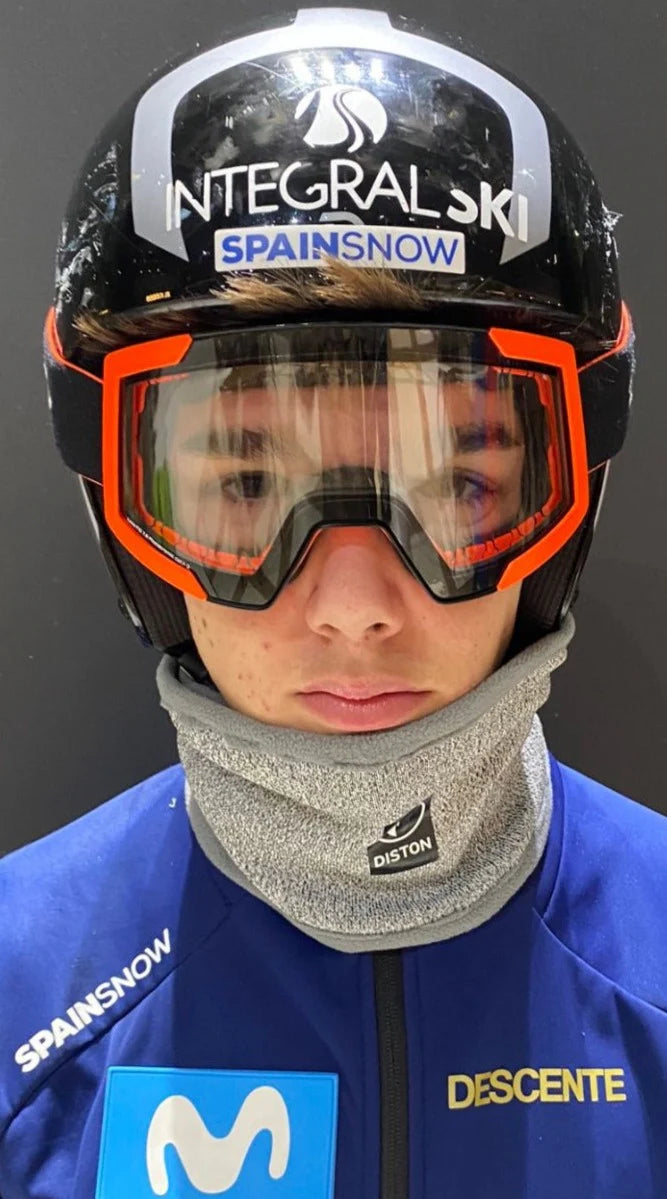
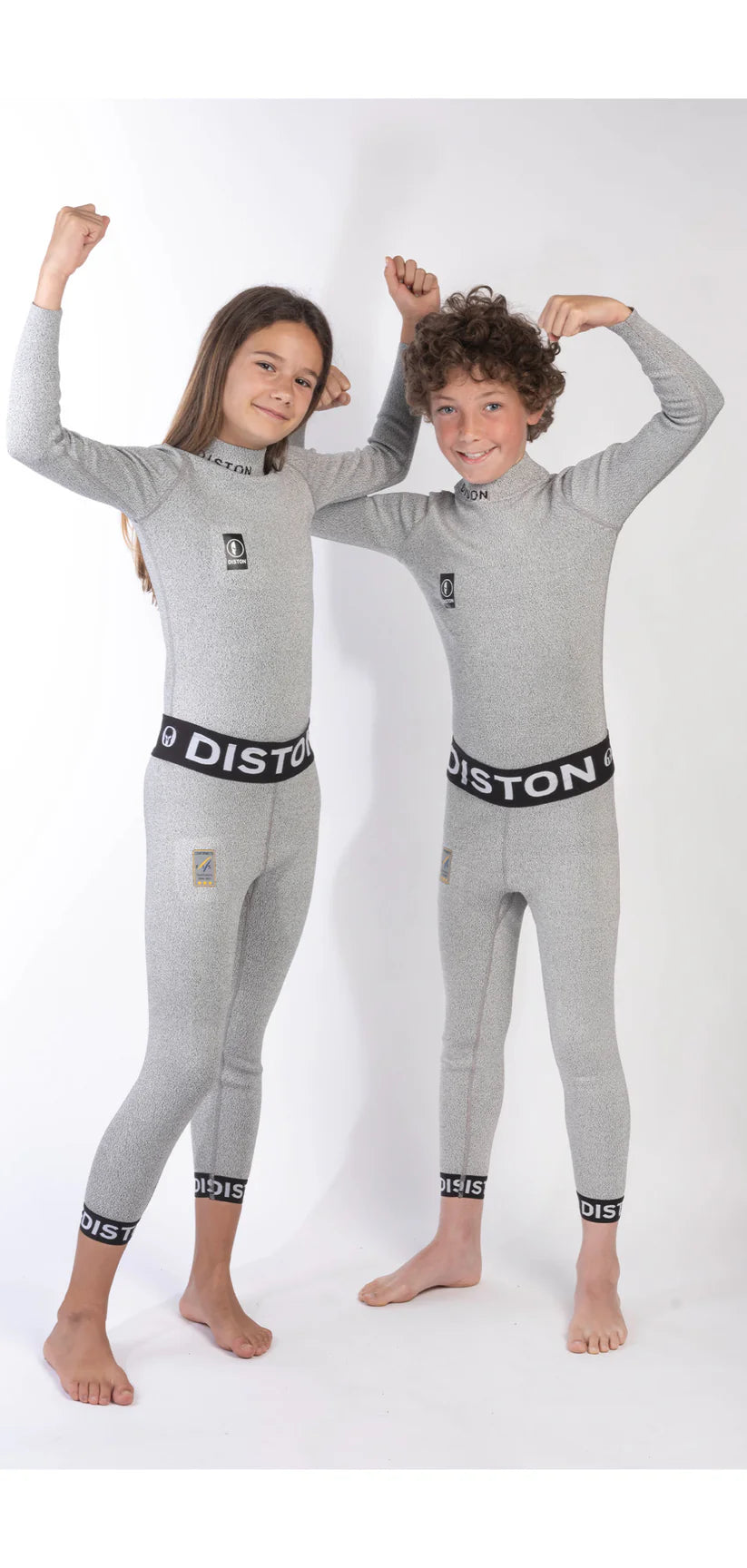
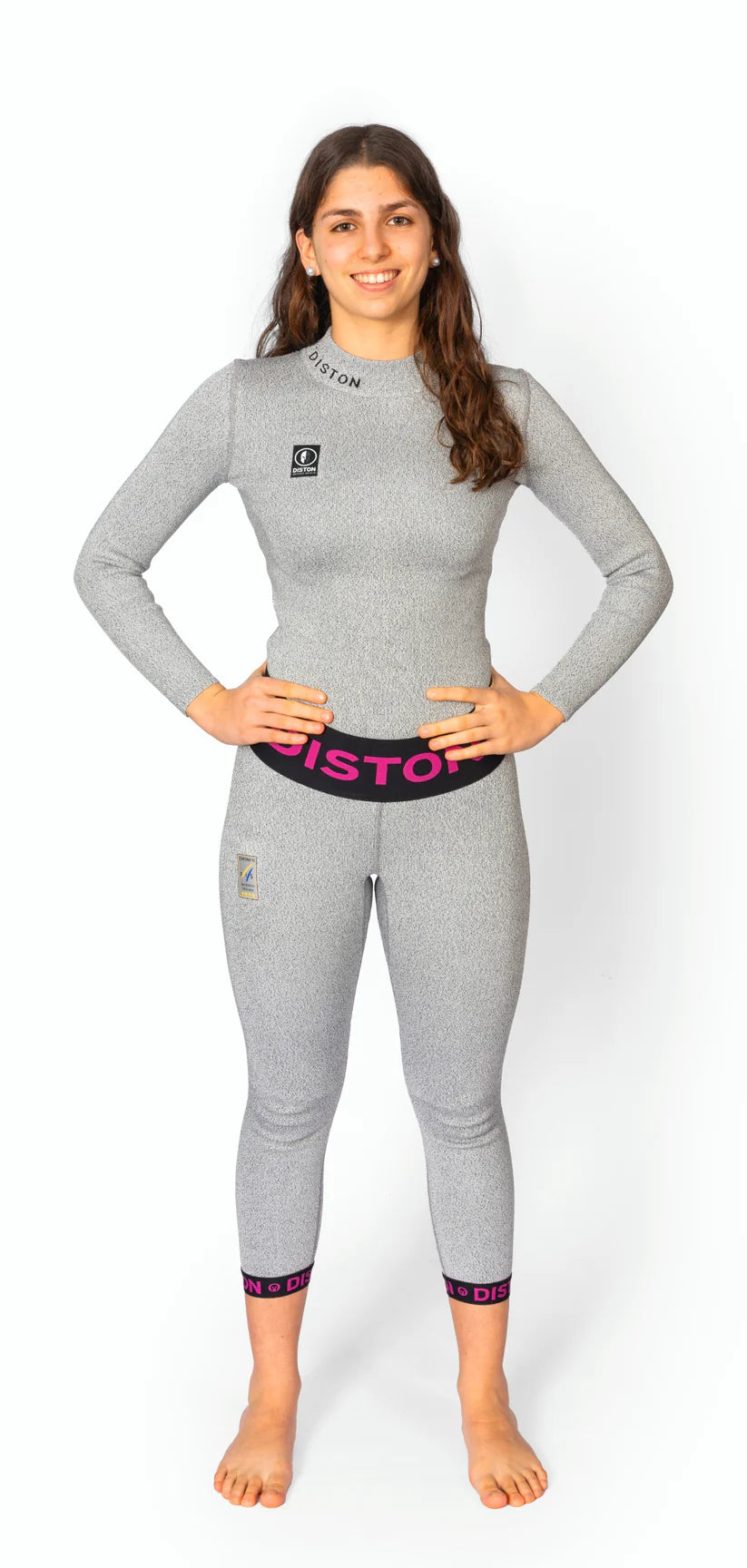
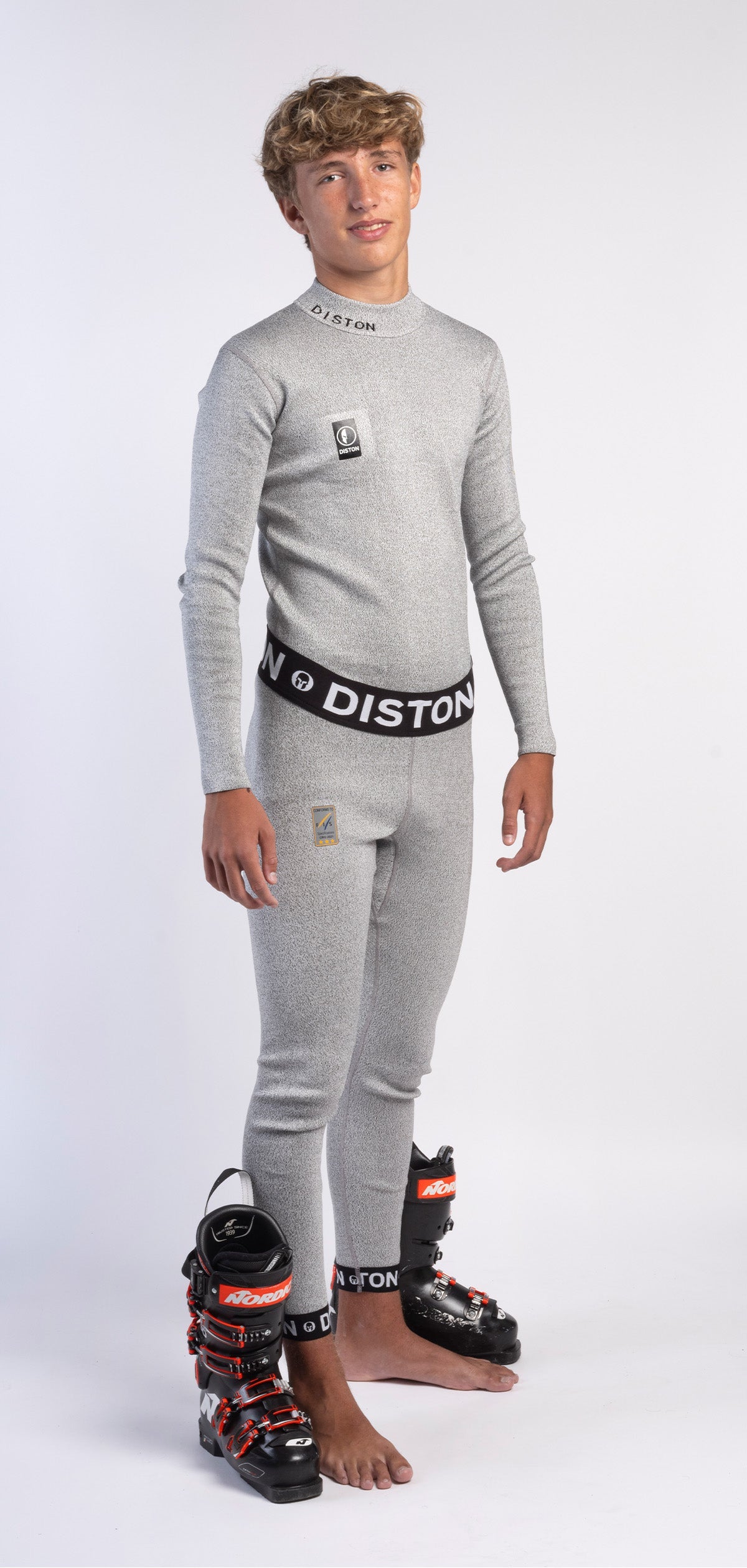
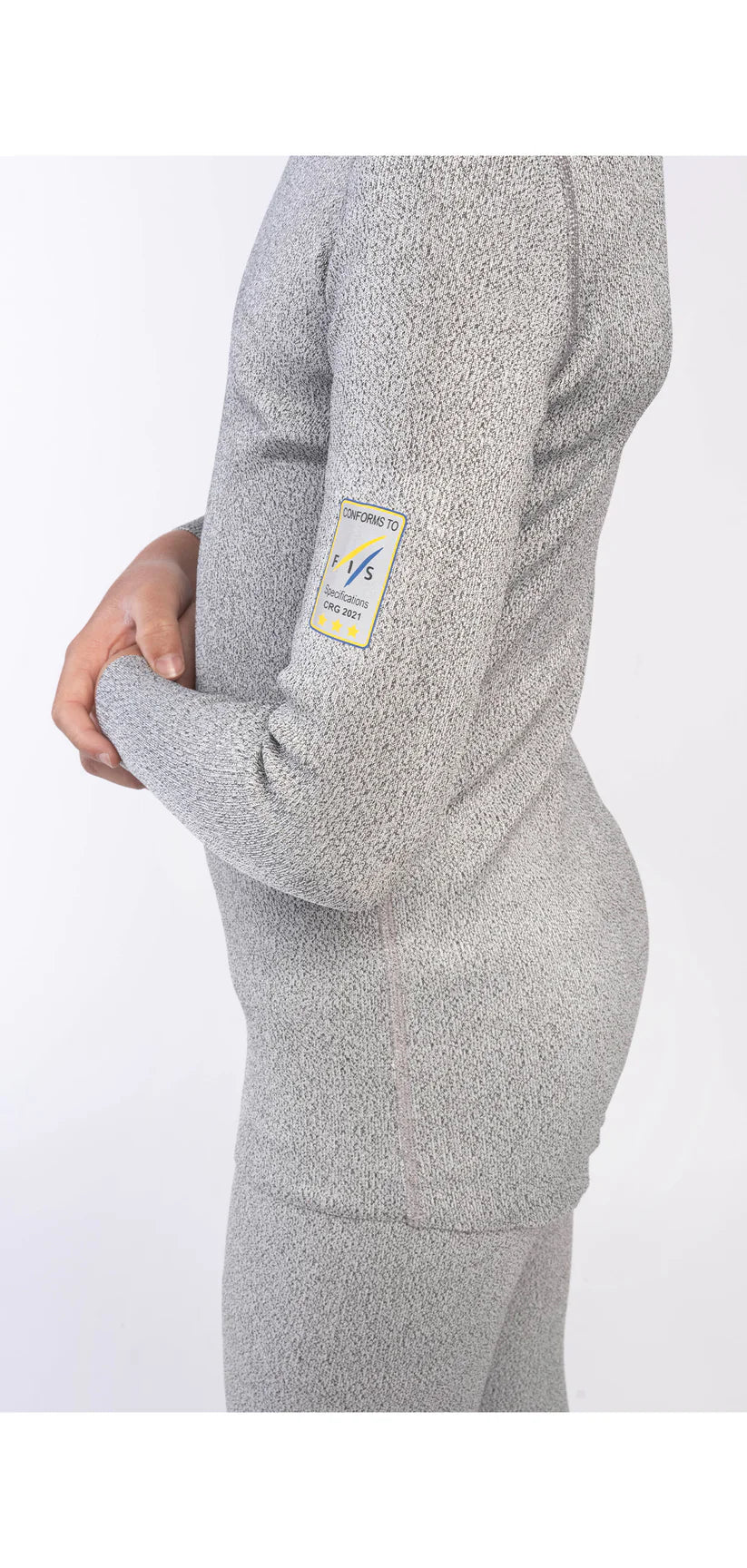
Cut-resistant base layers complement helmets, back protectors and impact guards and help reduce the risk of severe cuts from sharp ski edges – especially in ski racing, junior racing and demanding training.
Useful for slalom, giant slalom, Super-G, downhill, training and races – especially at high speed and close ski contact.
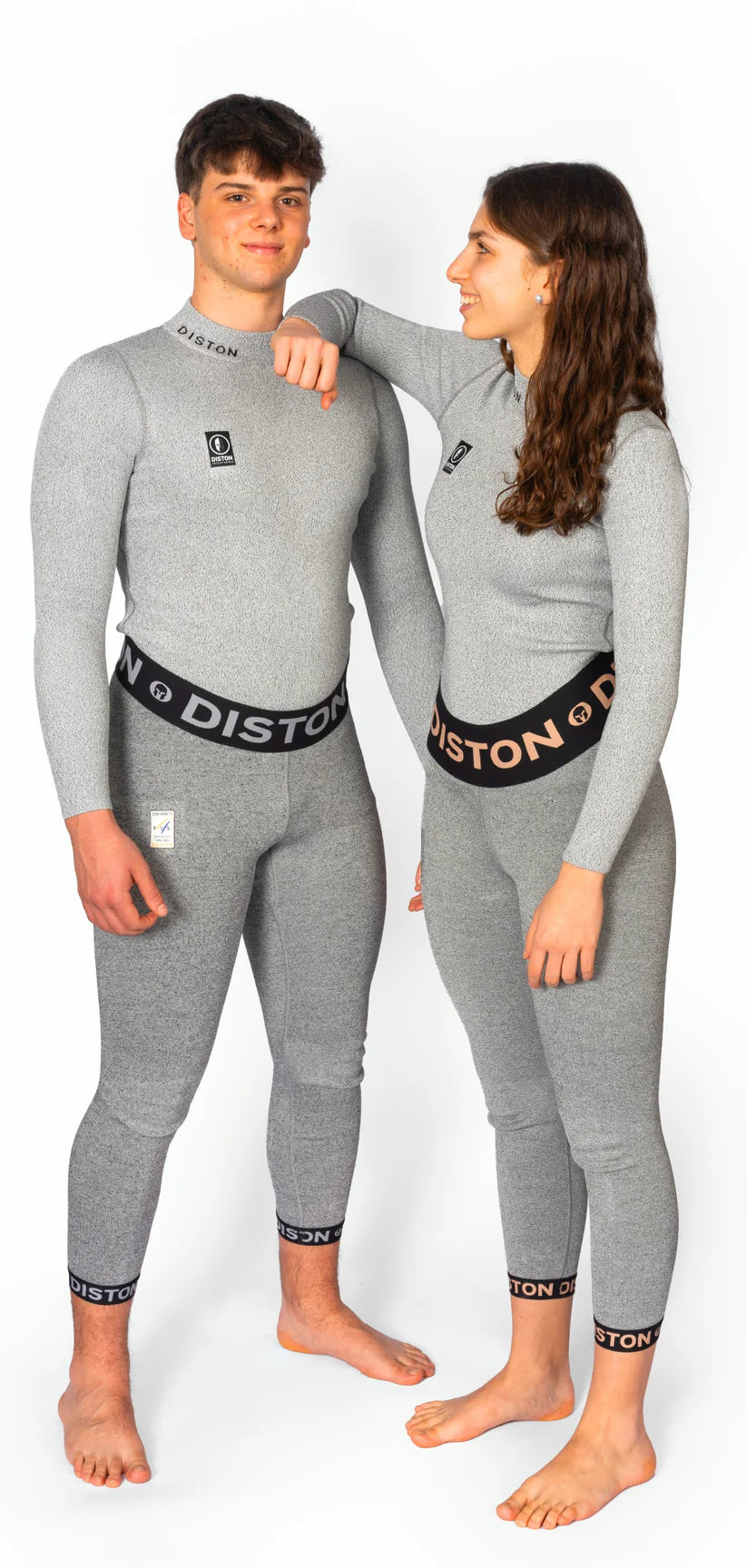
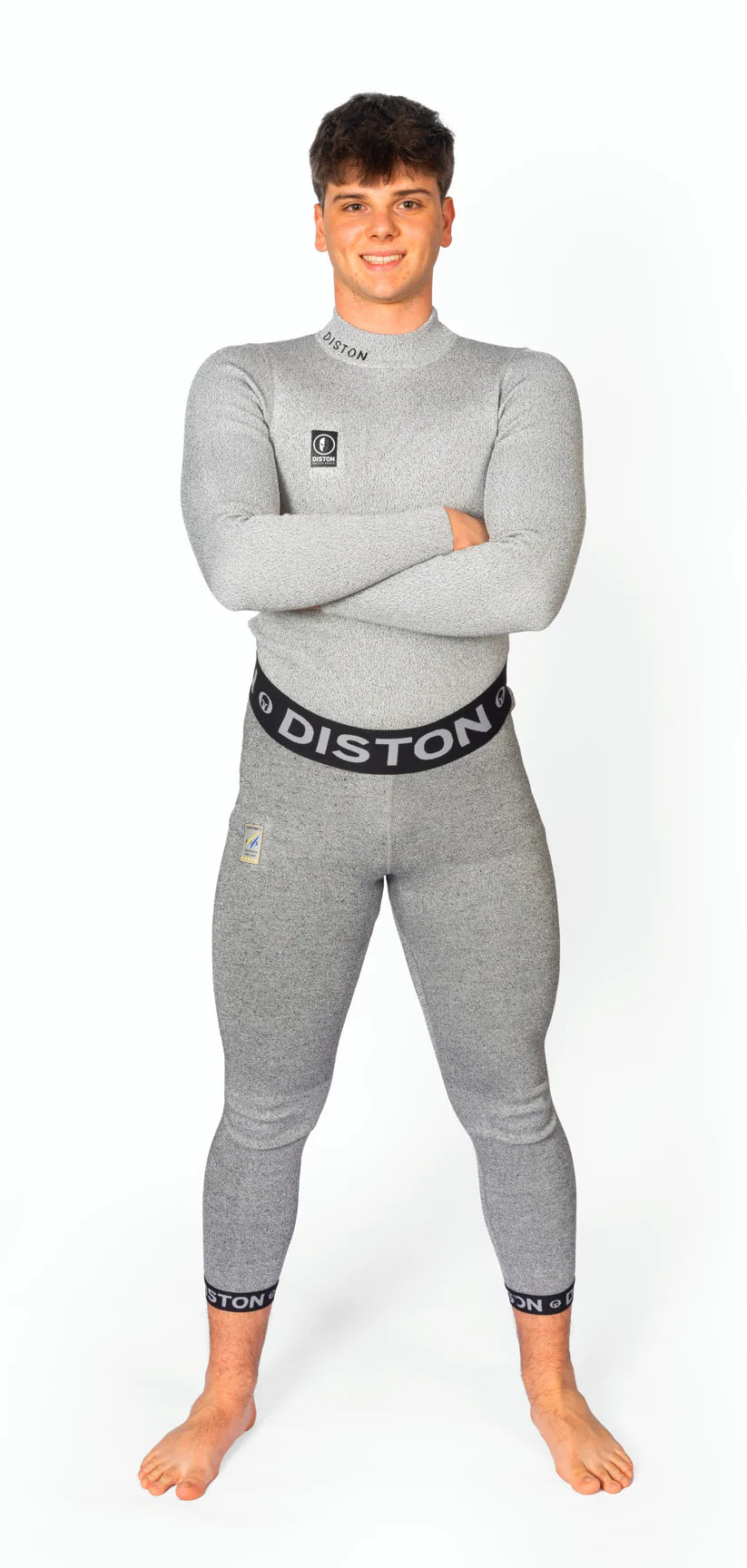
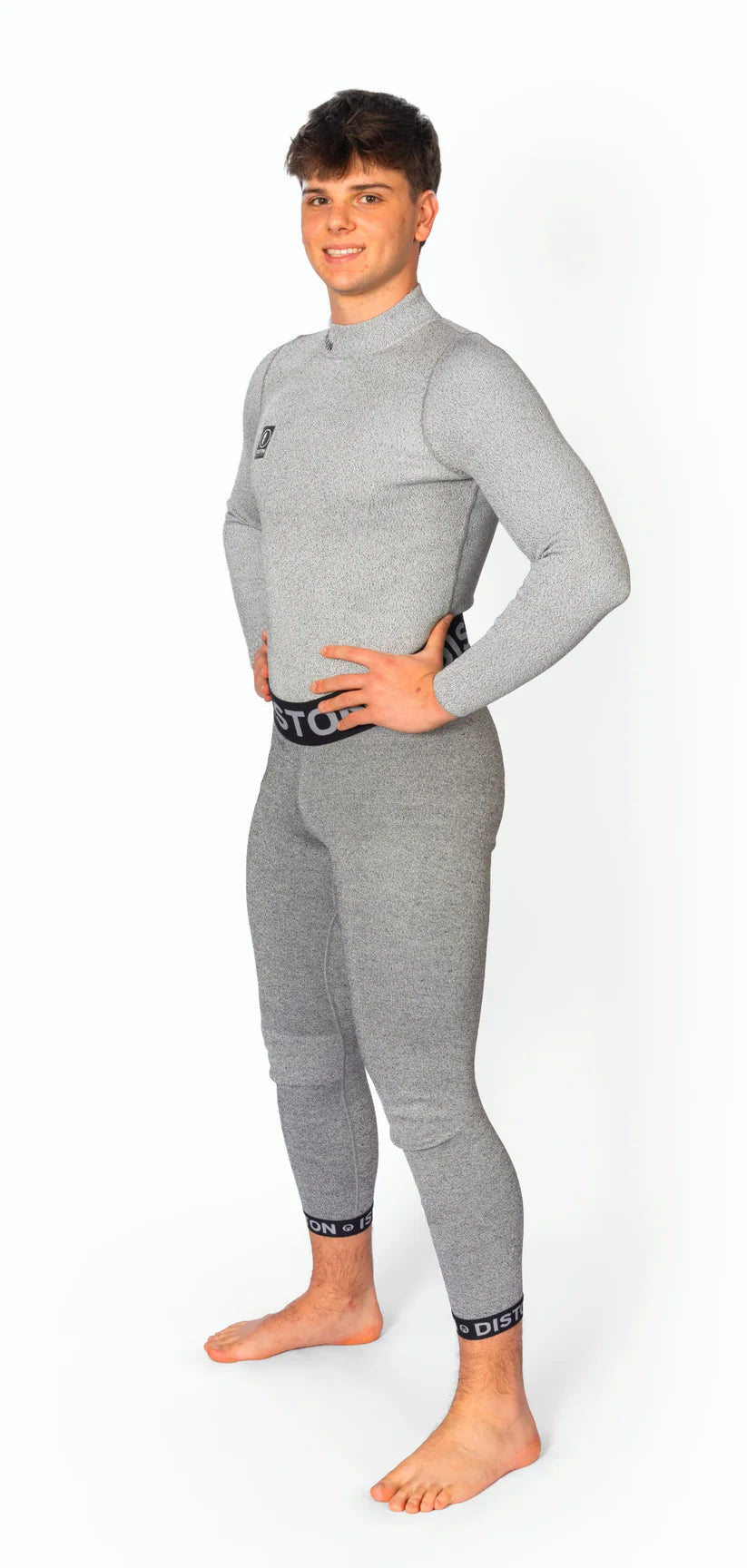
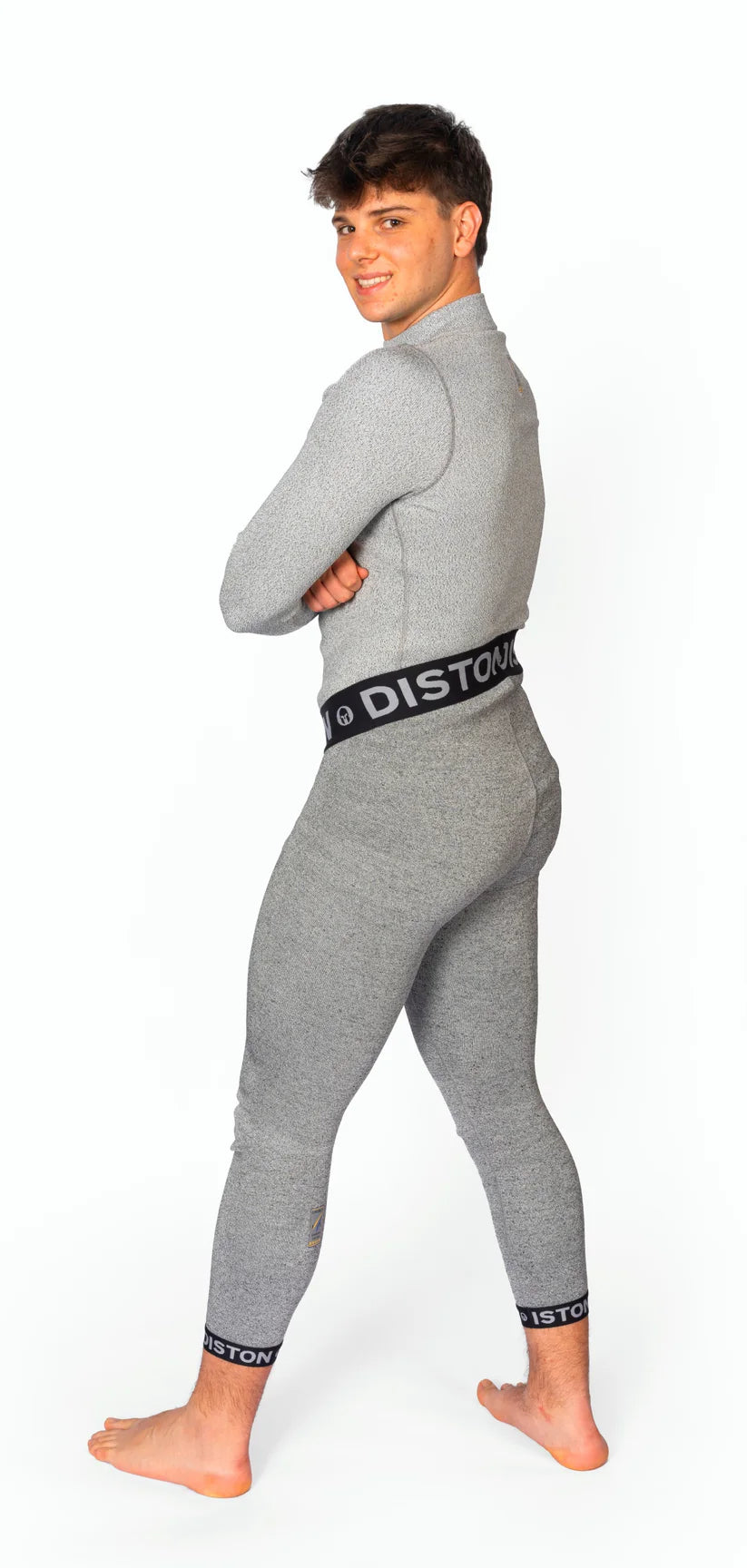
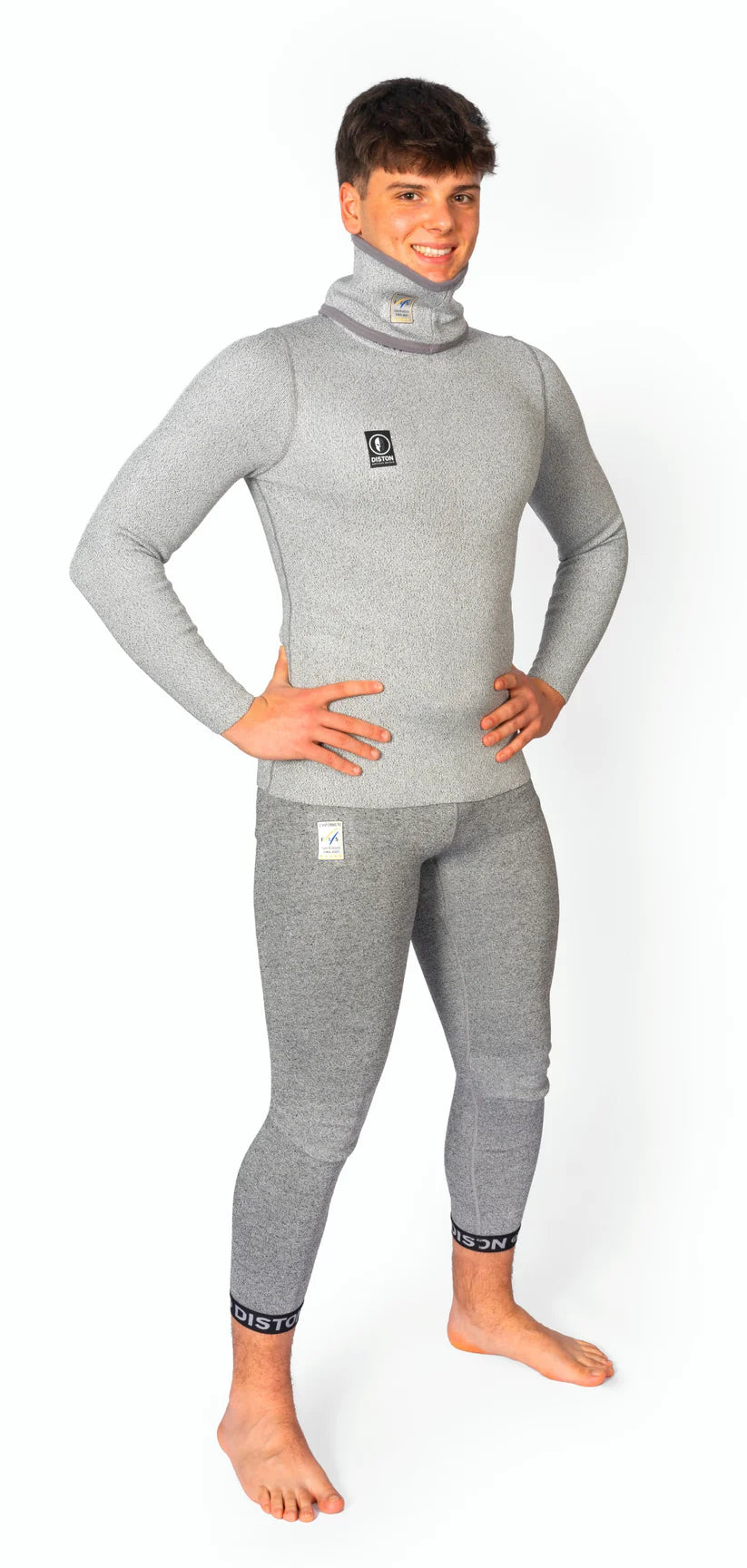
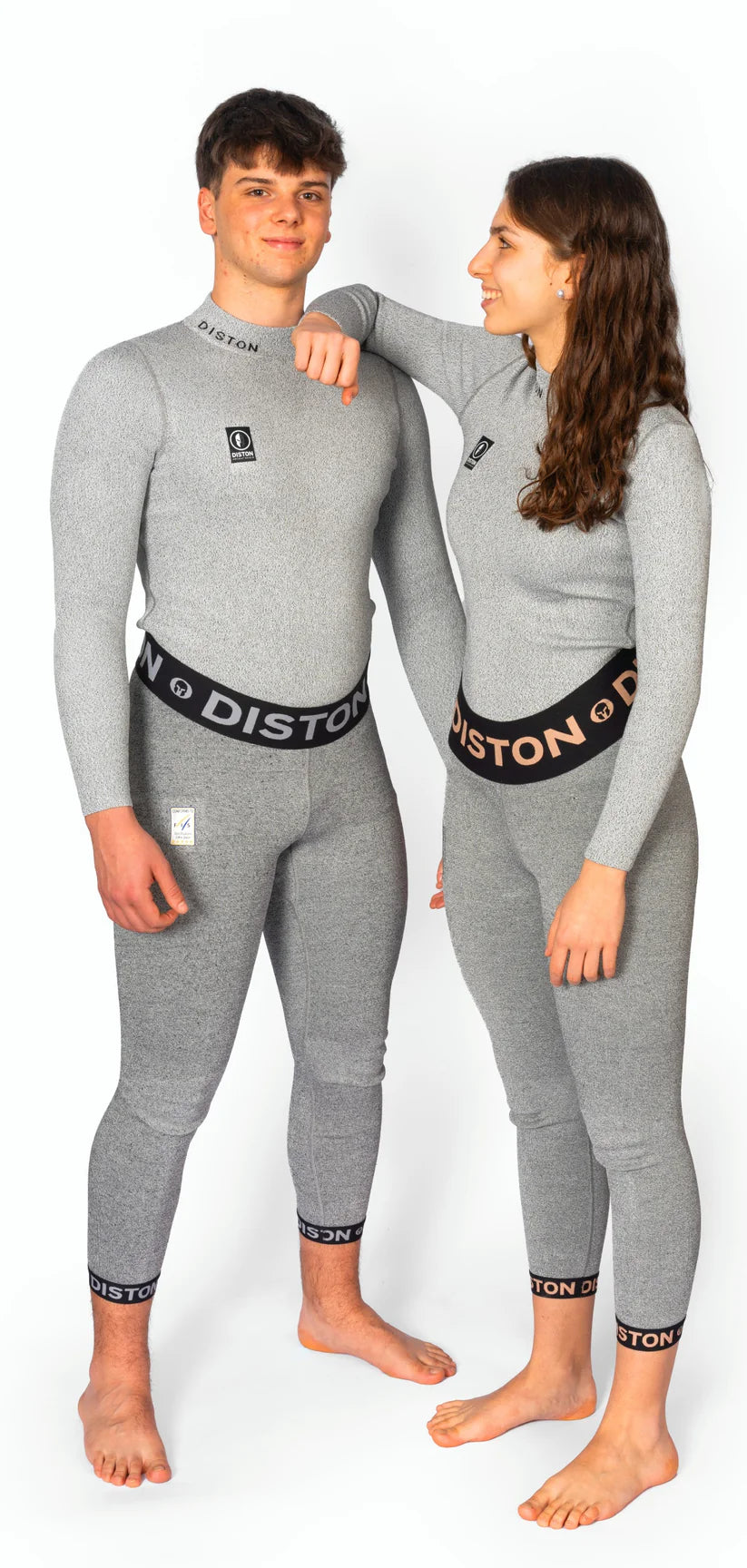
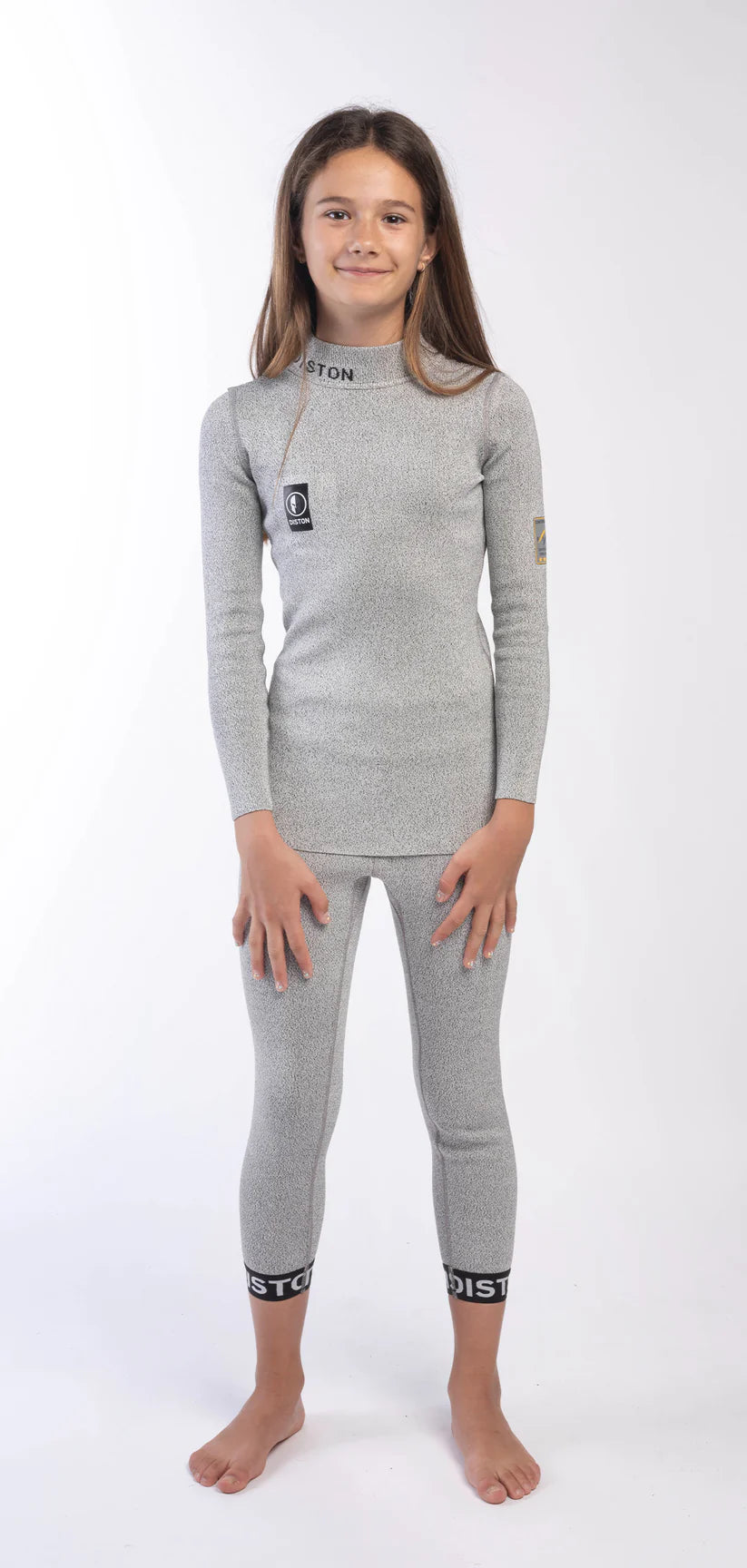
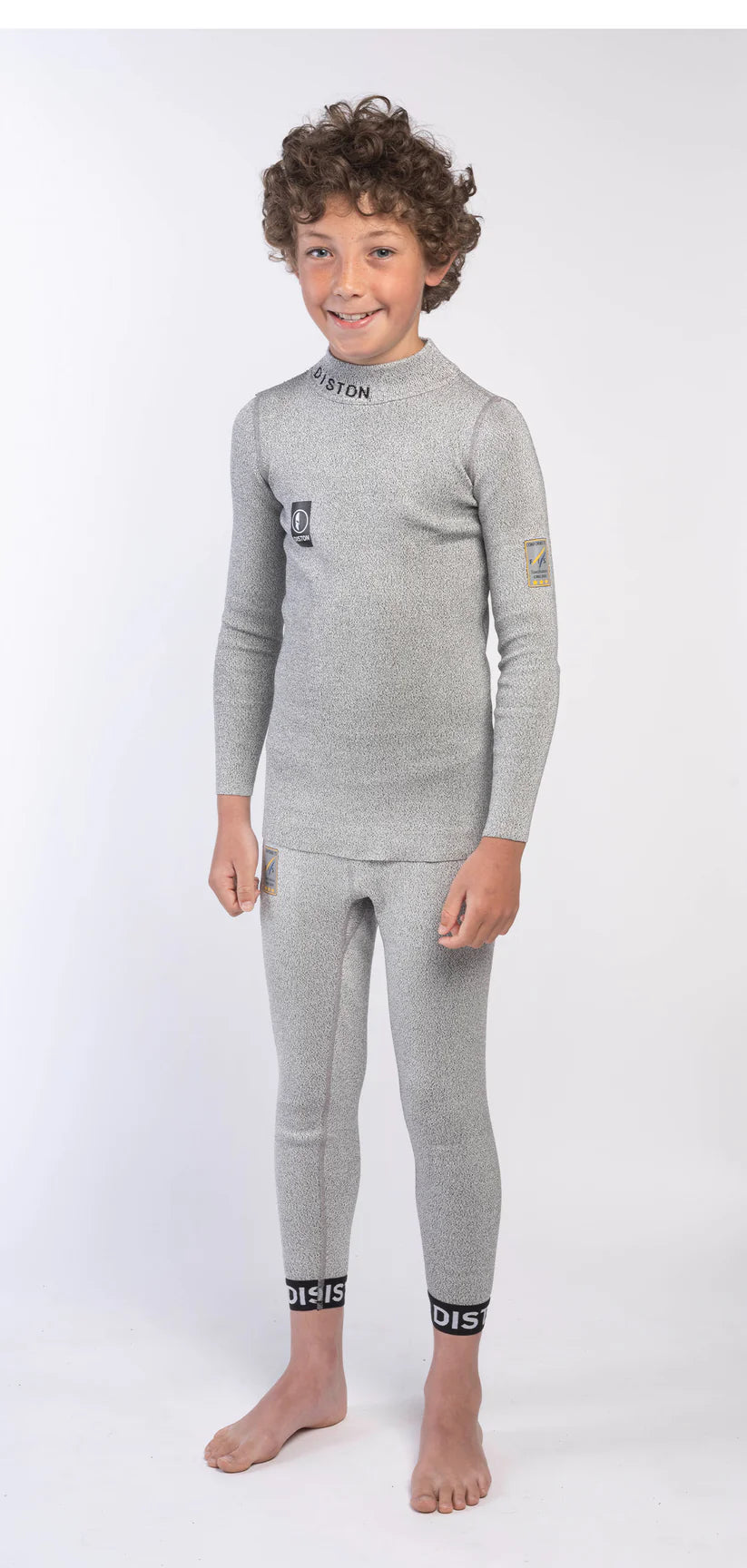
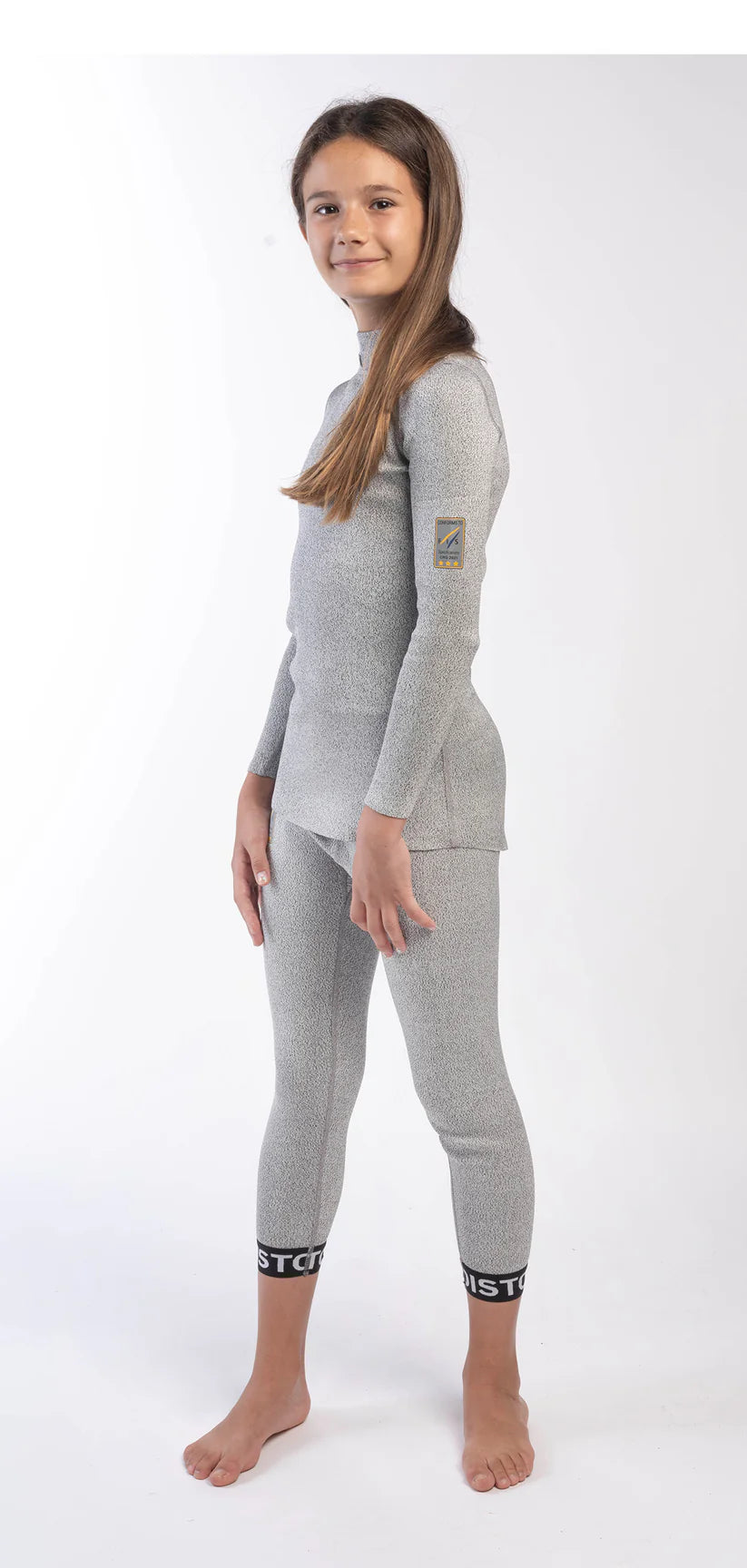
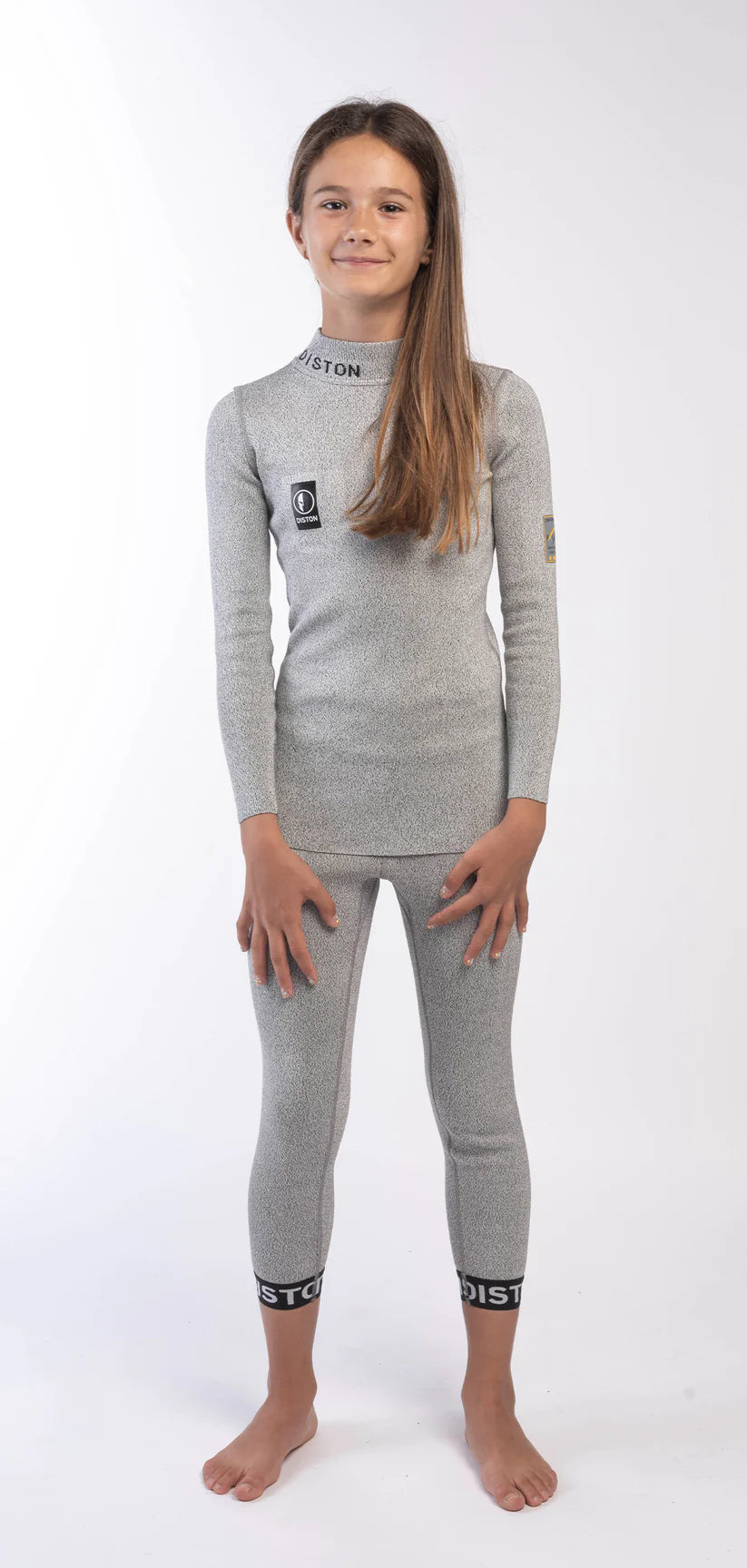
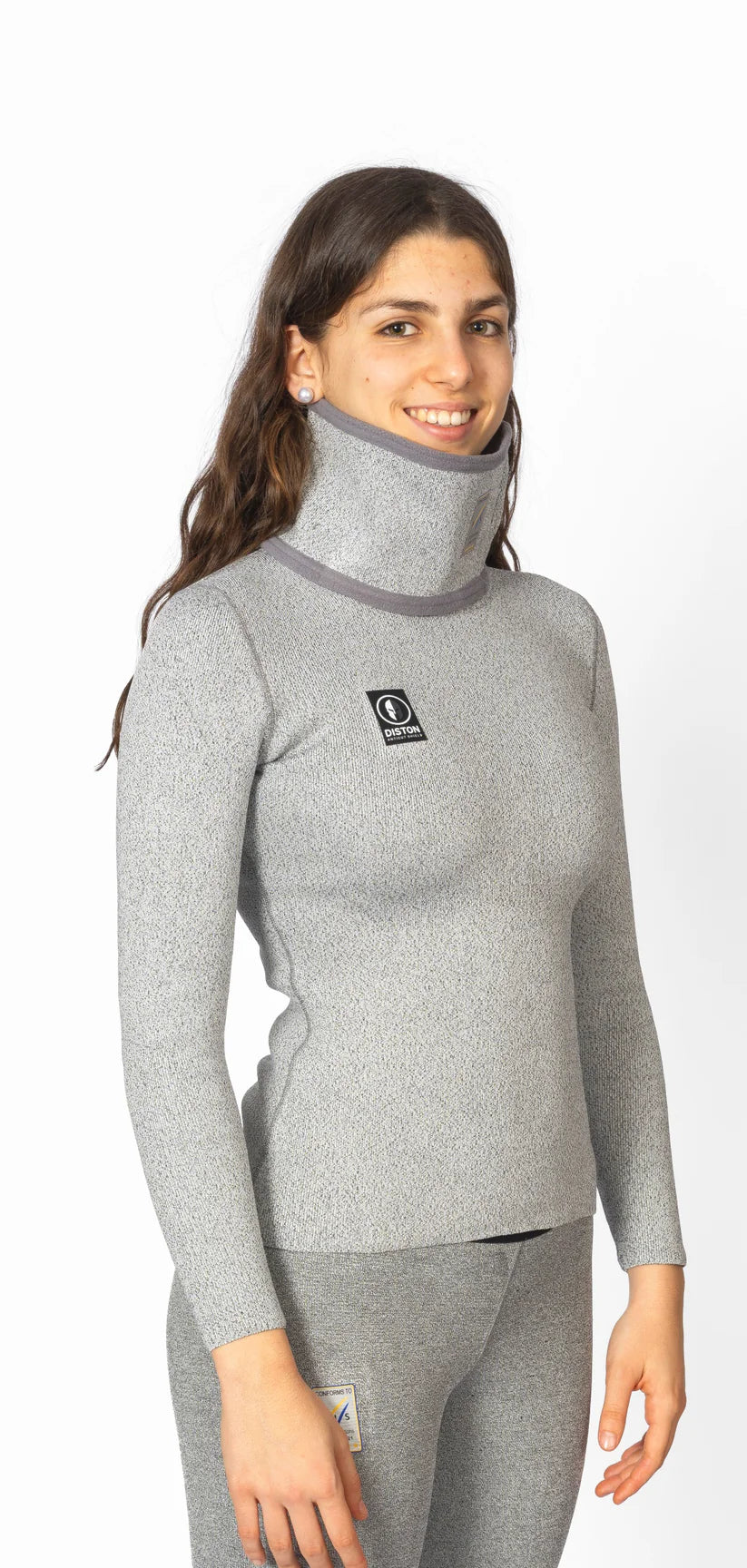
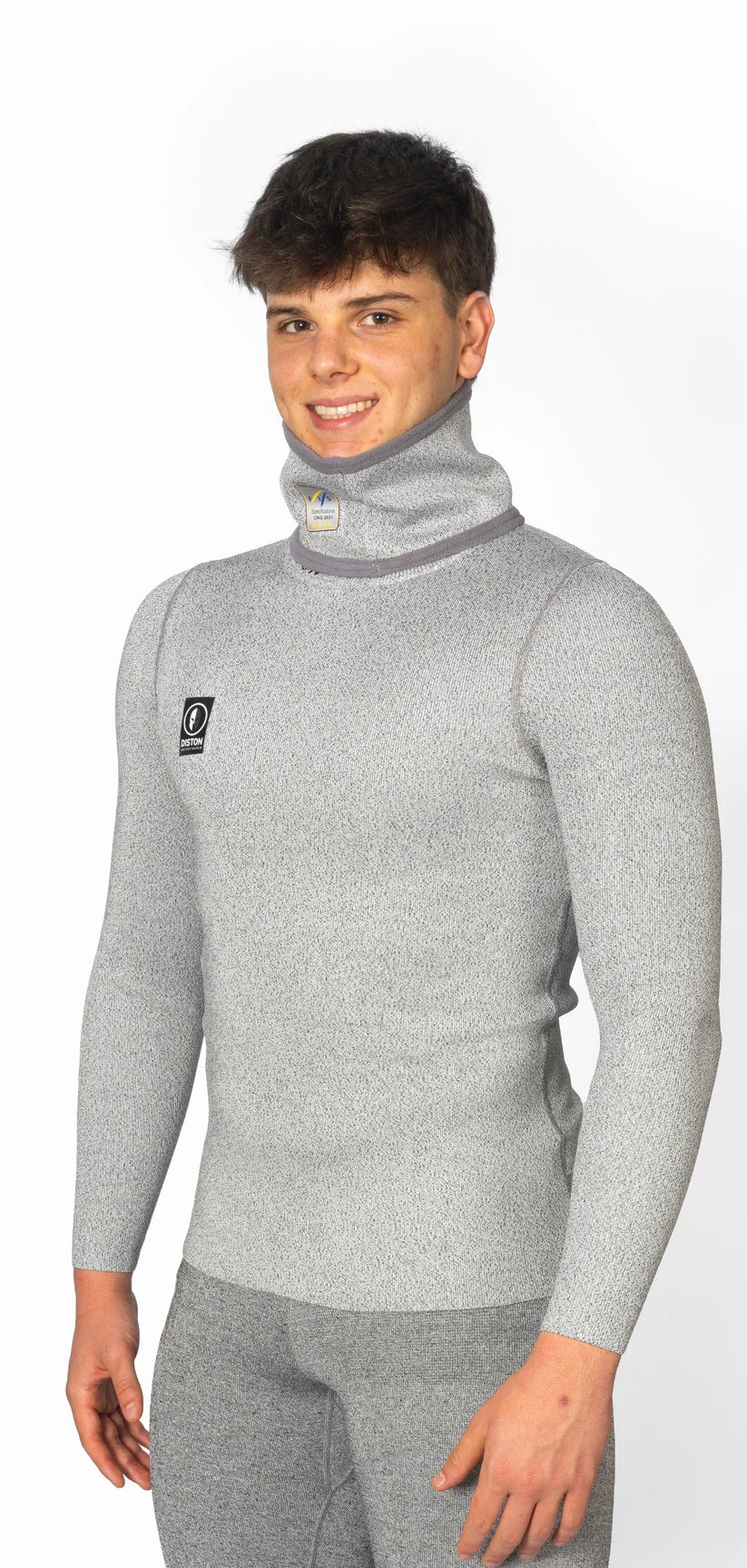
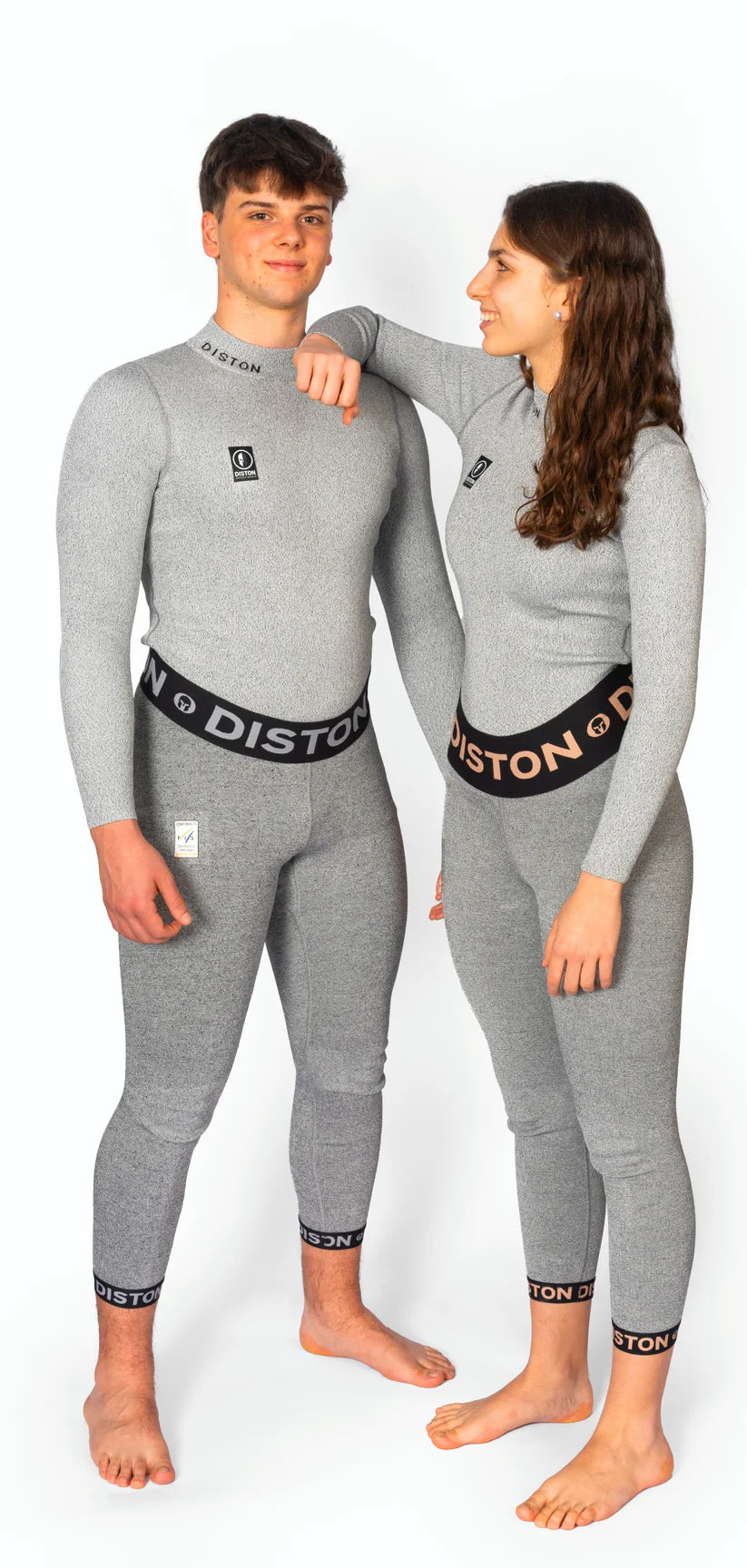
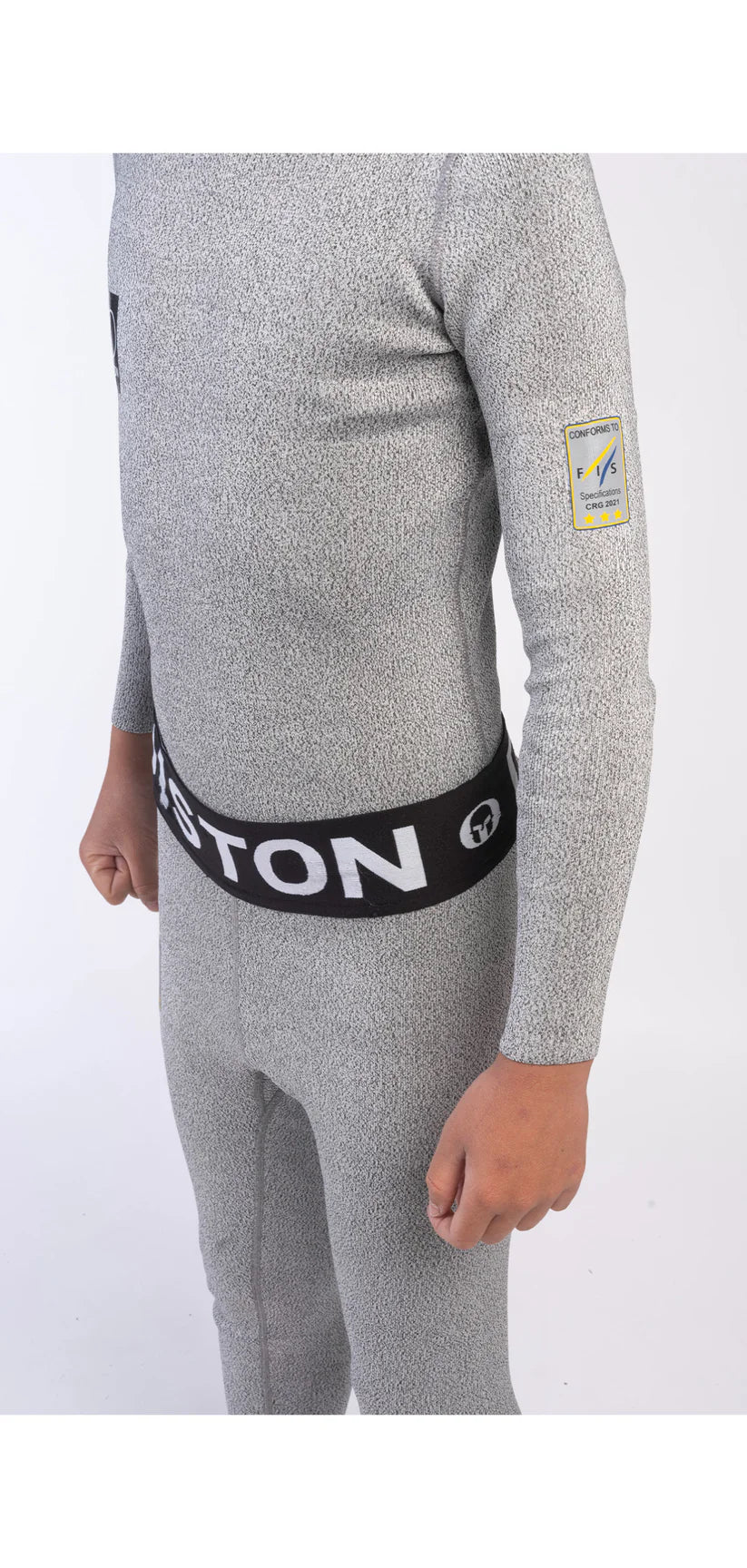
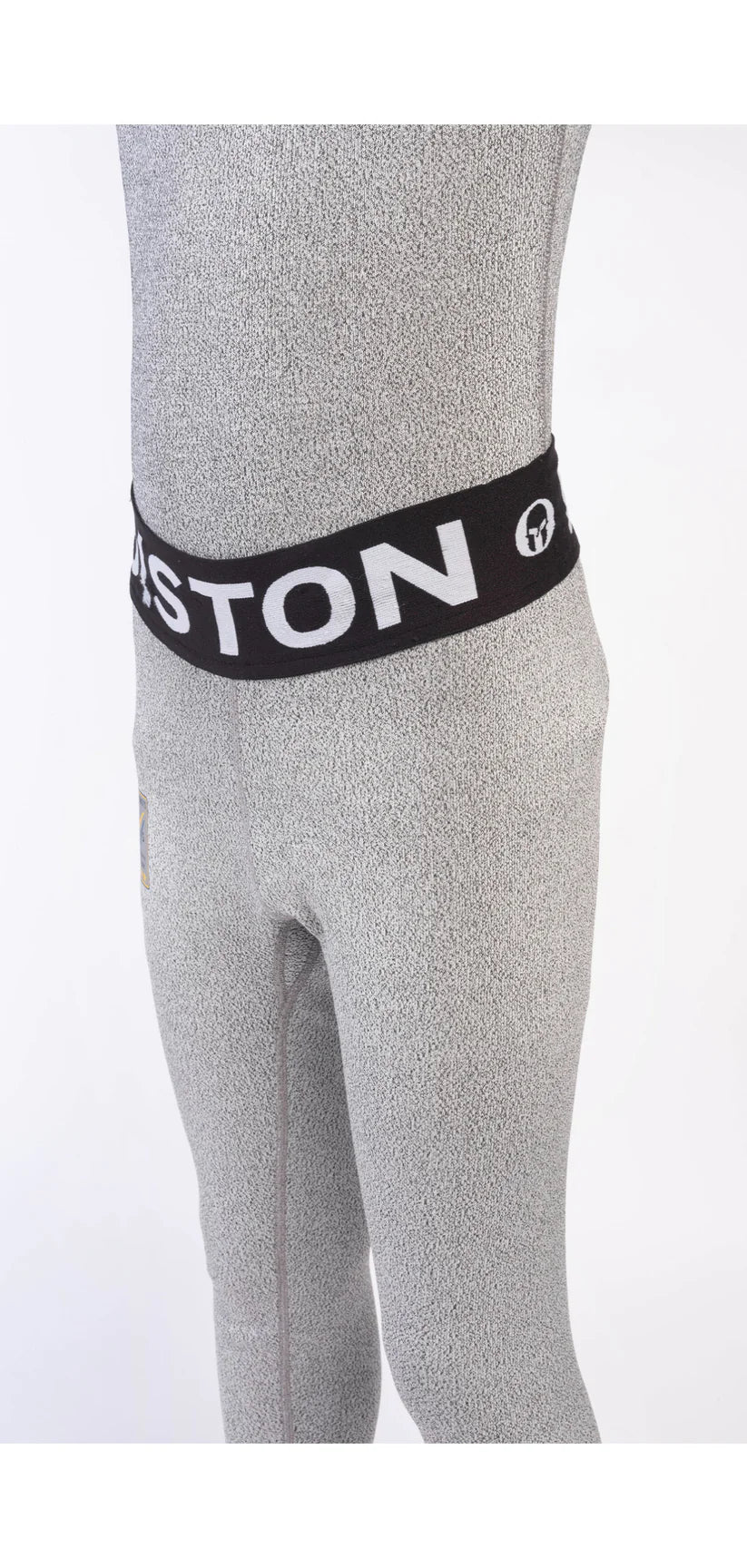
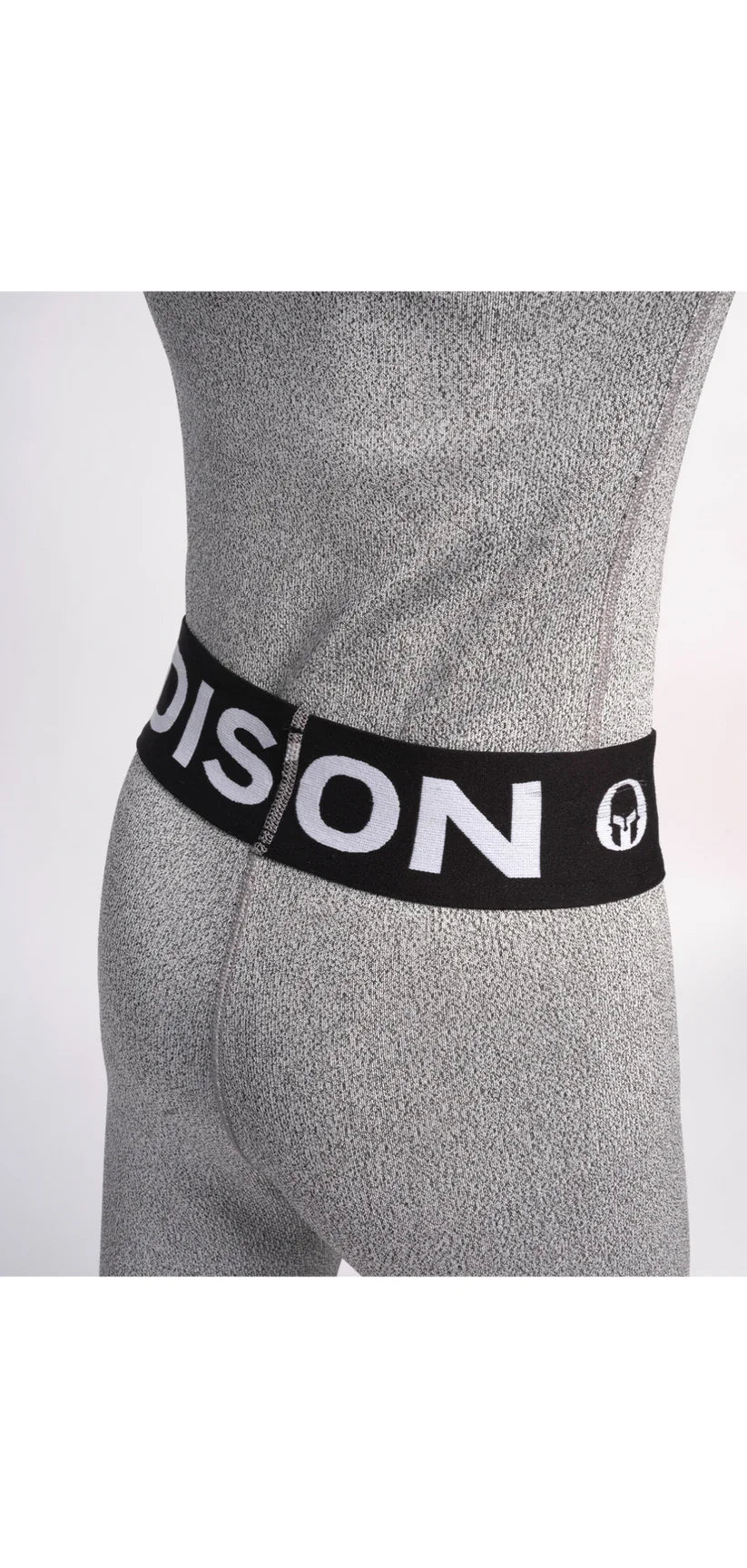
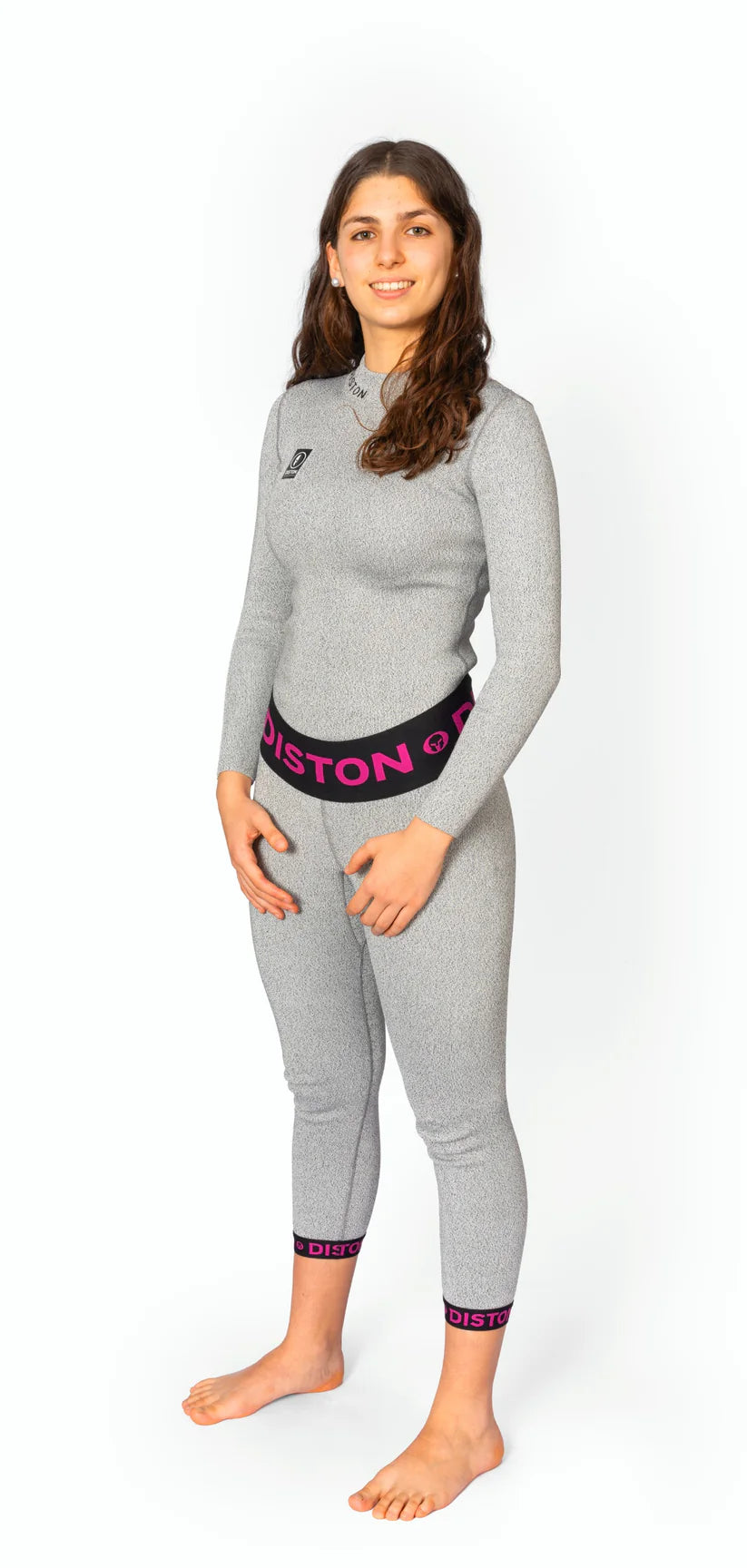
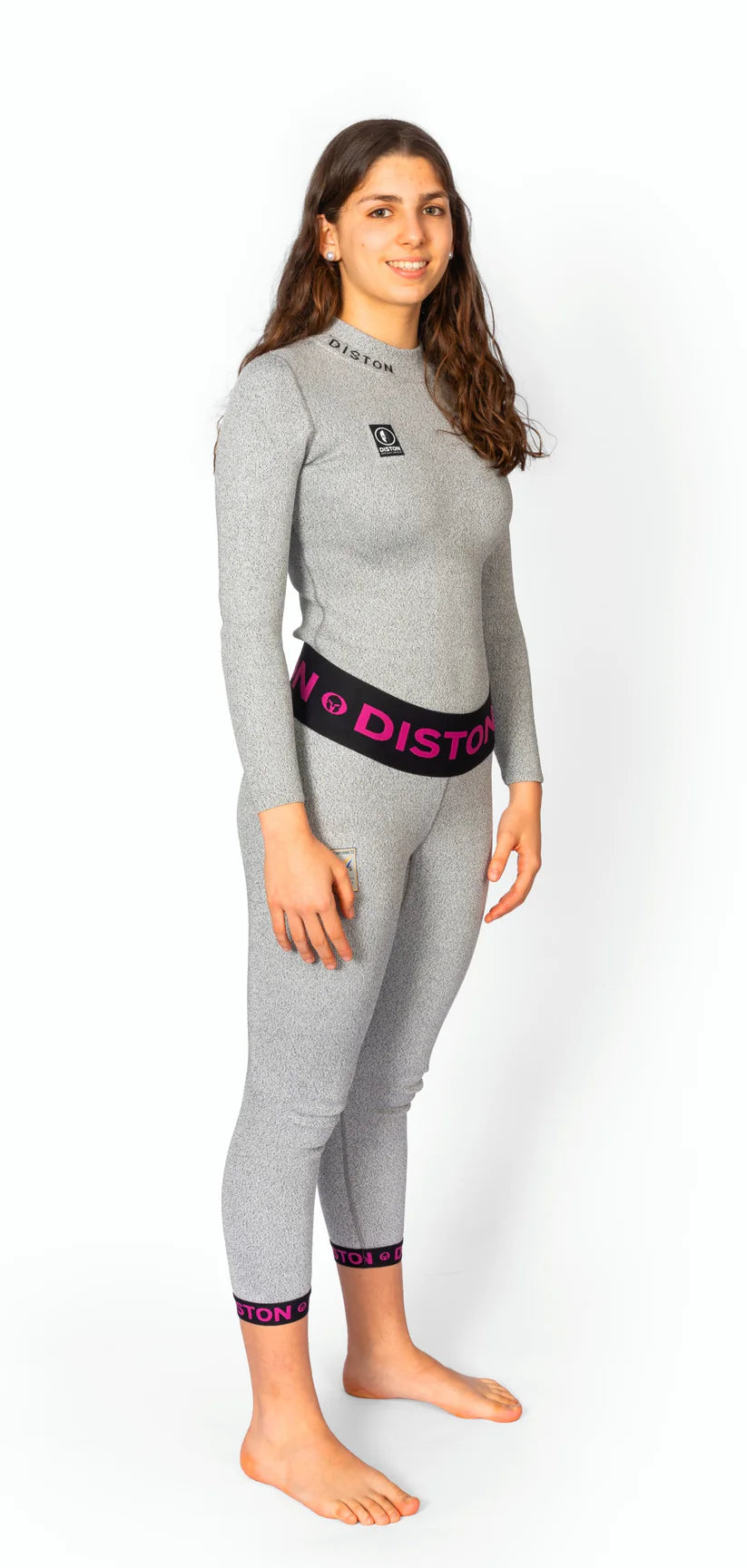
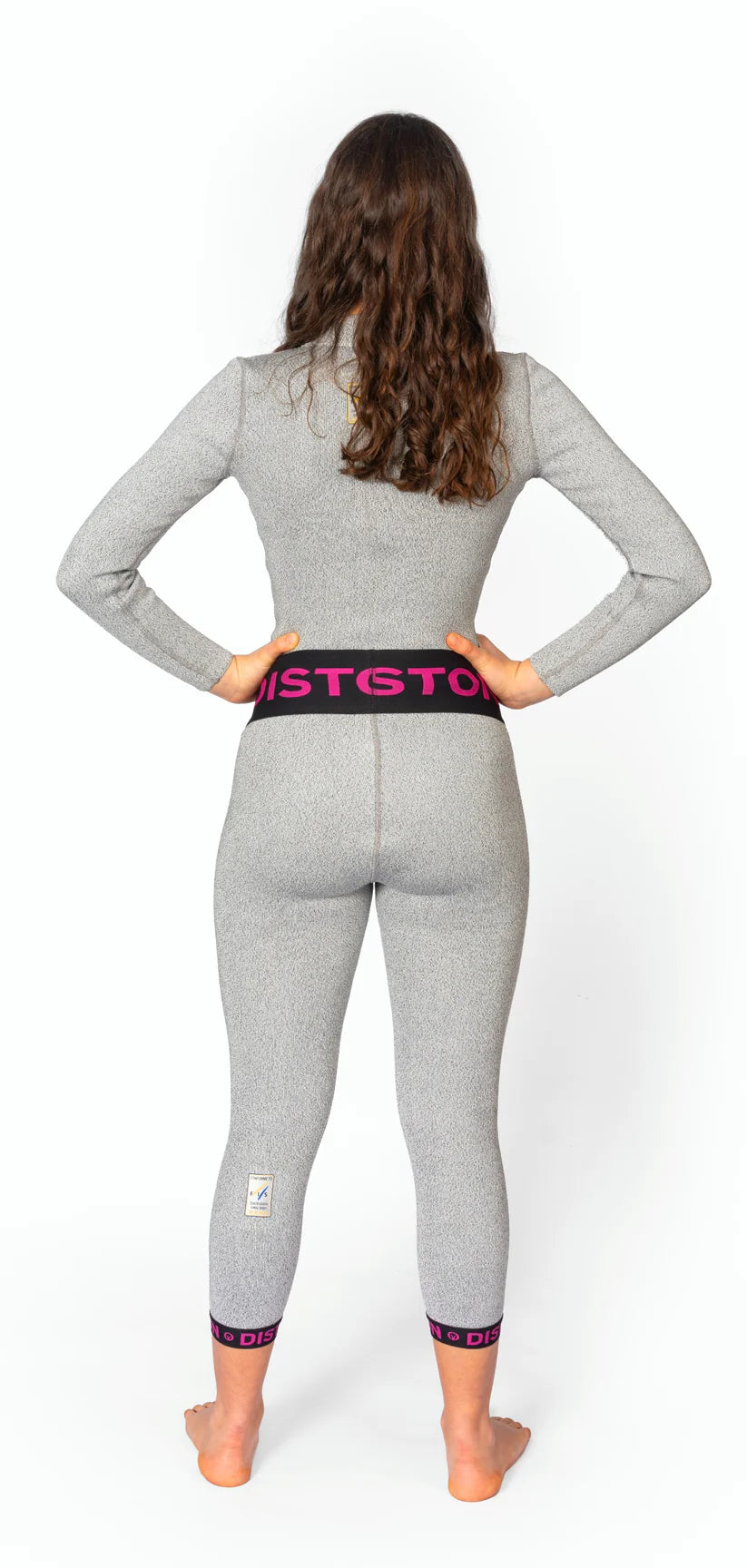
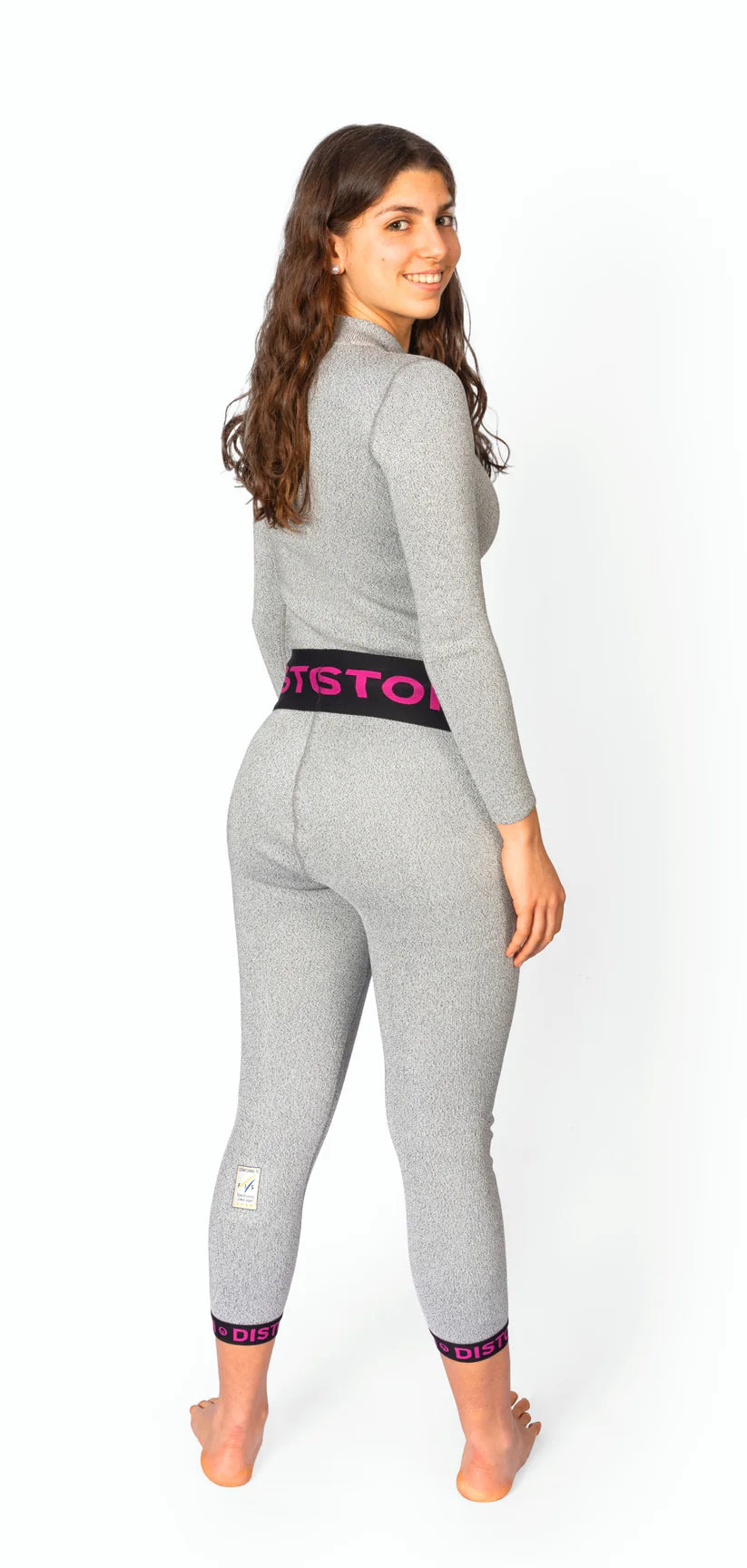
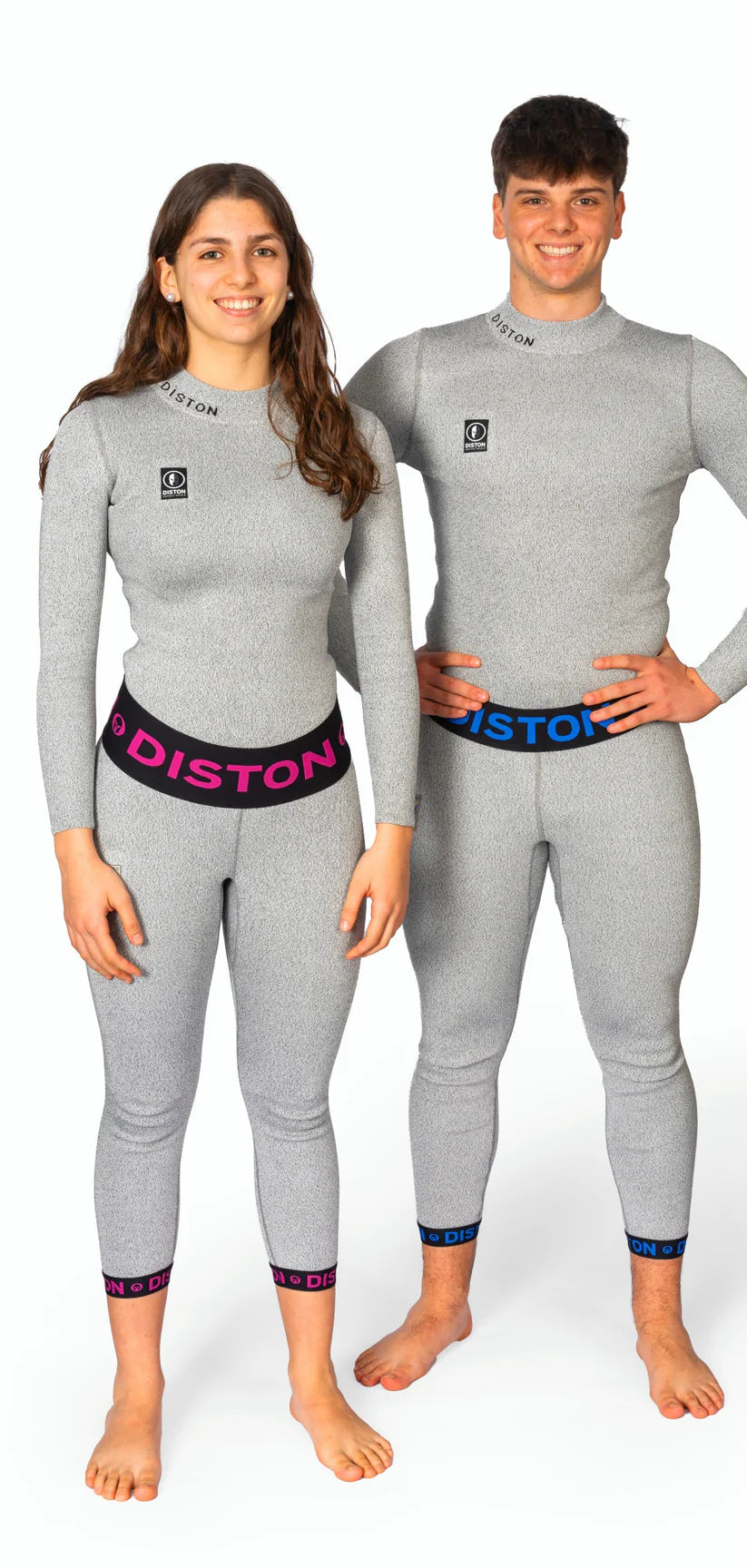
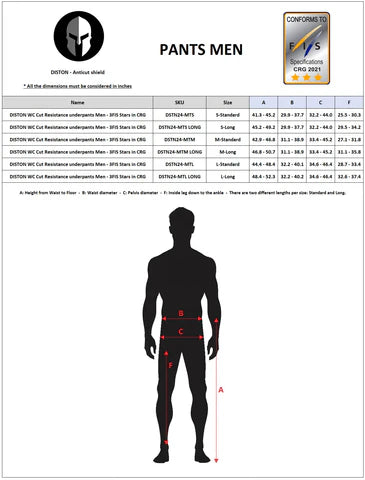
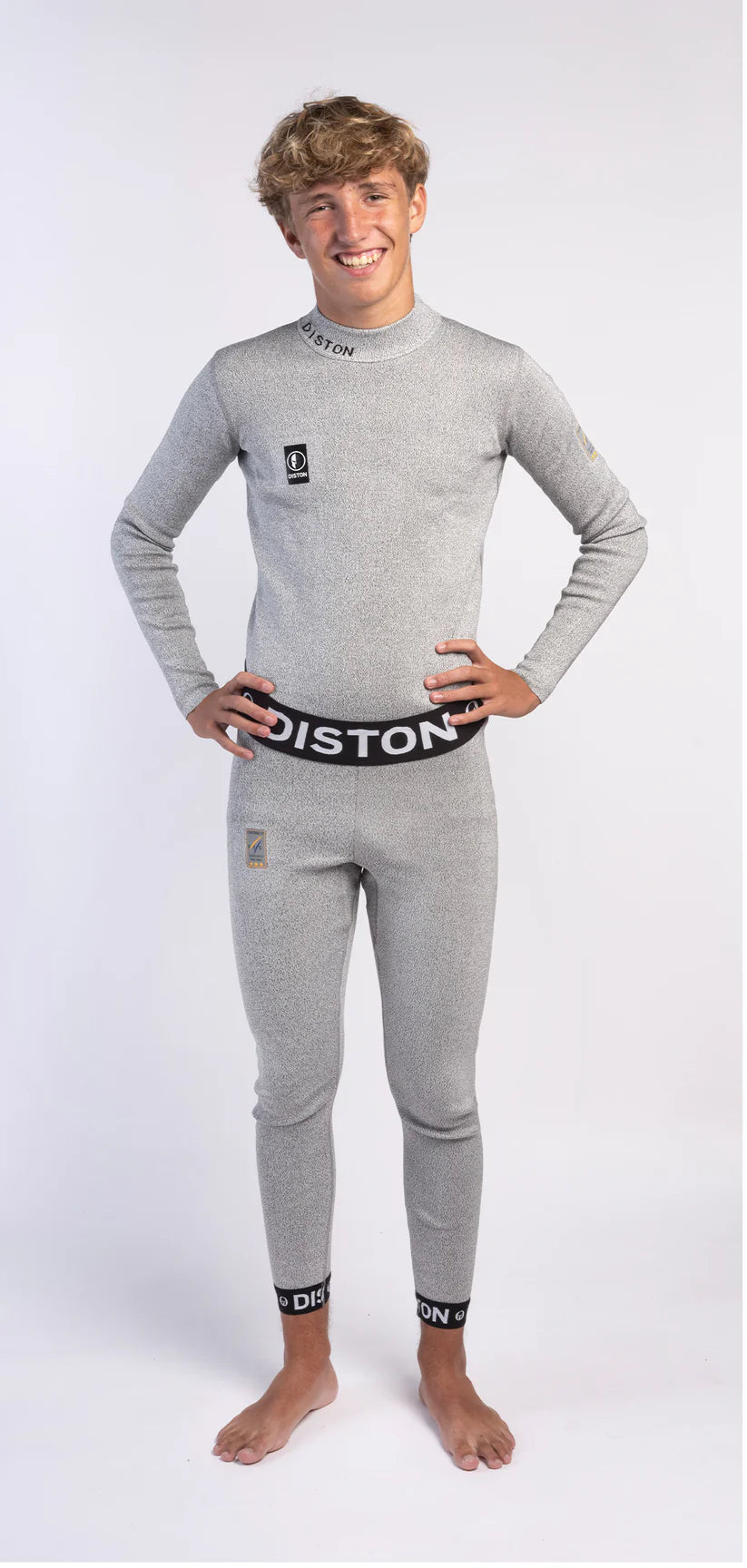
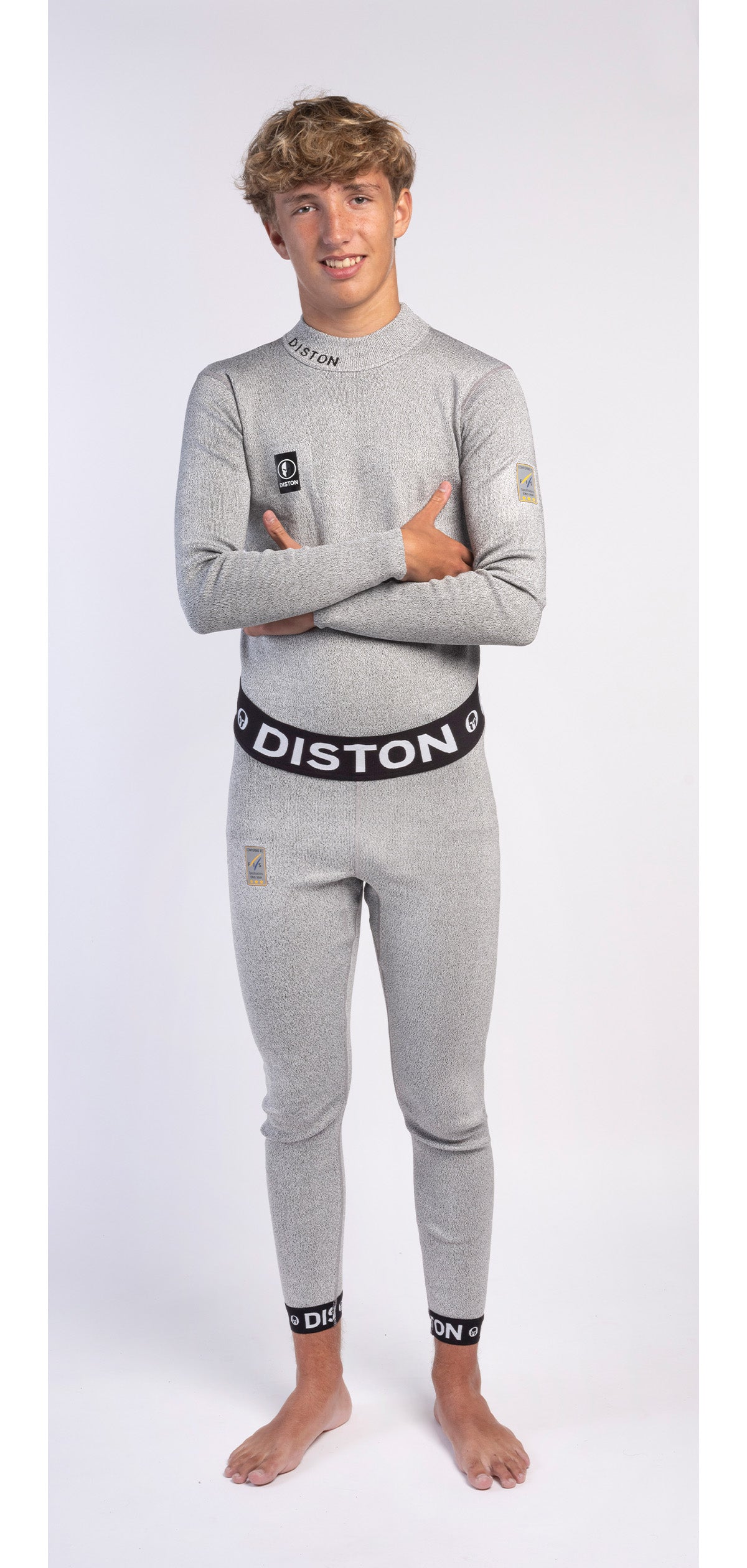
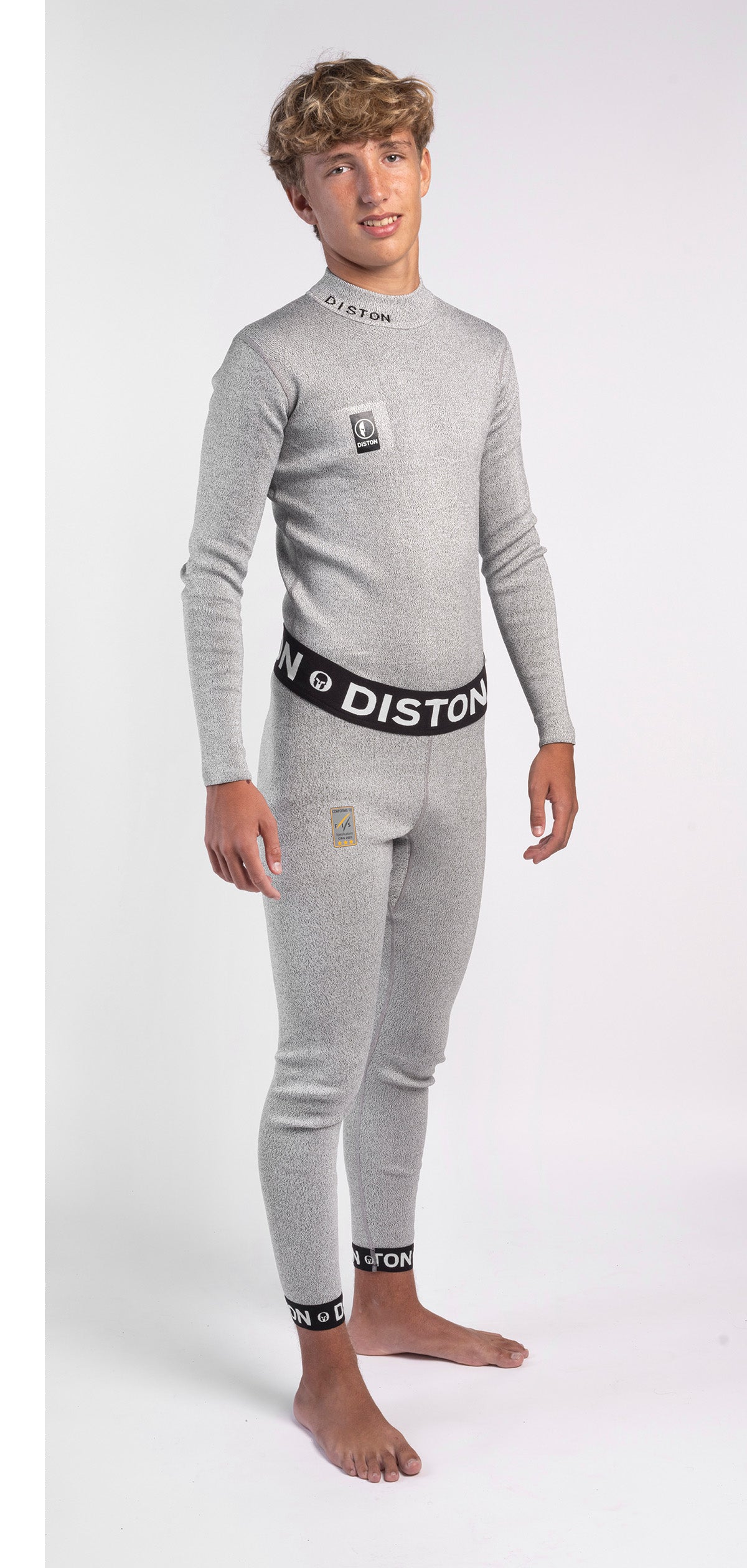
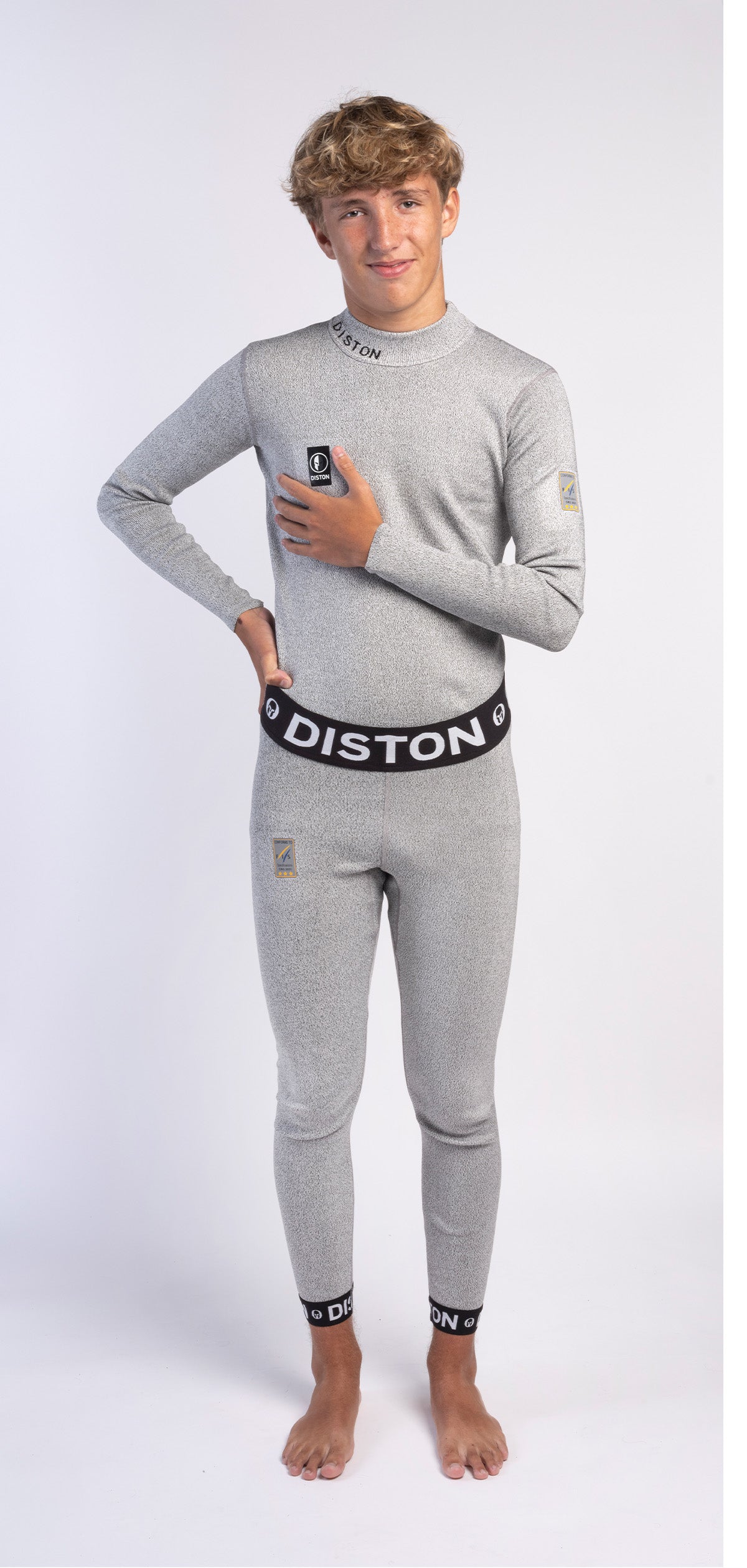
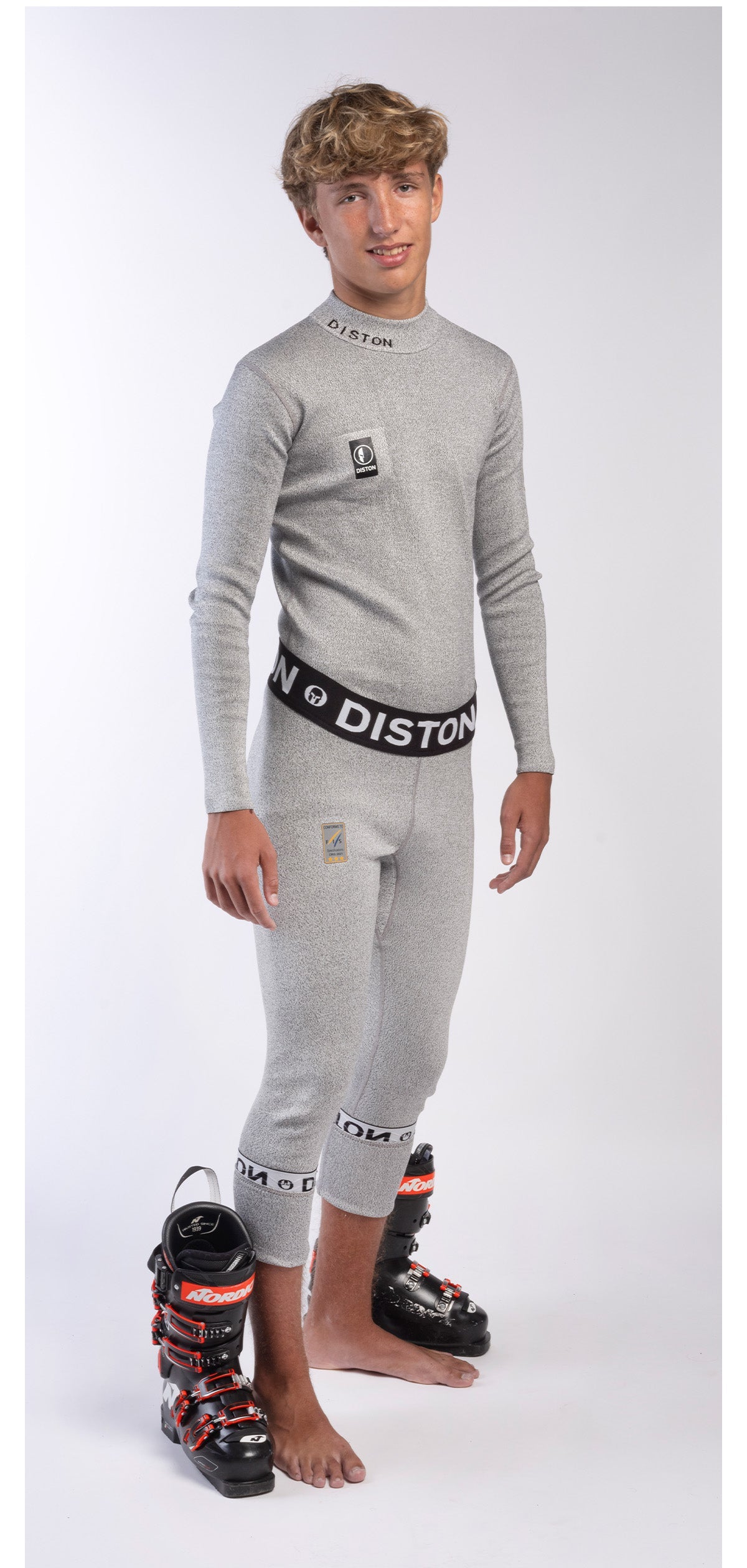
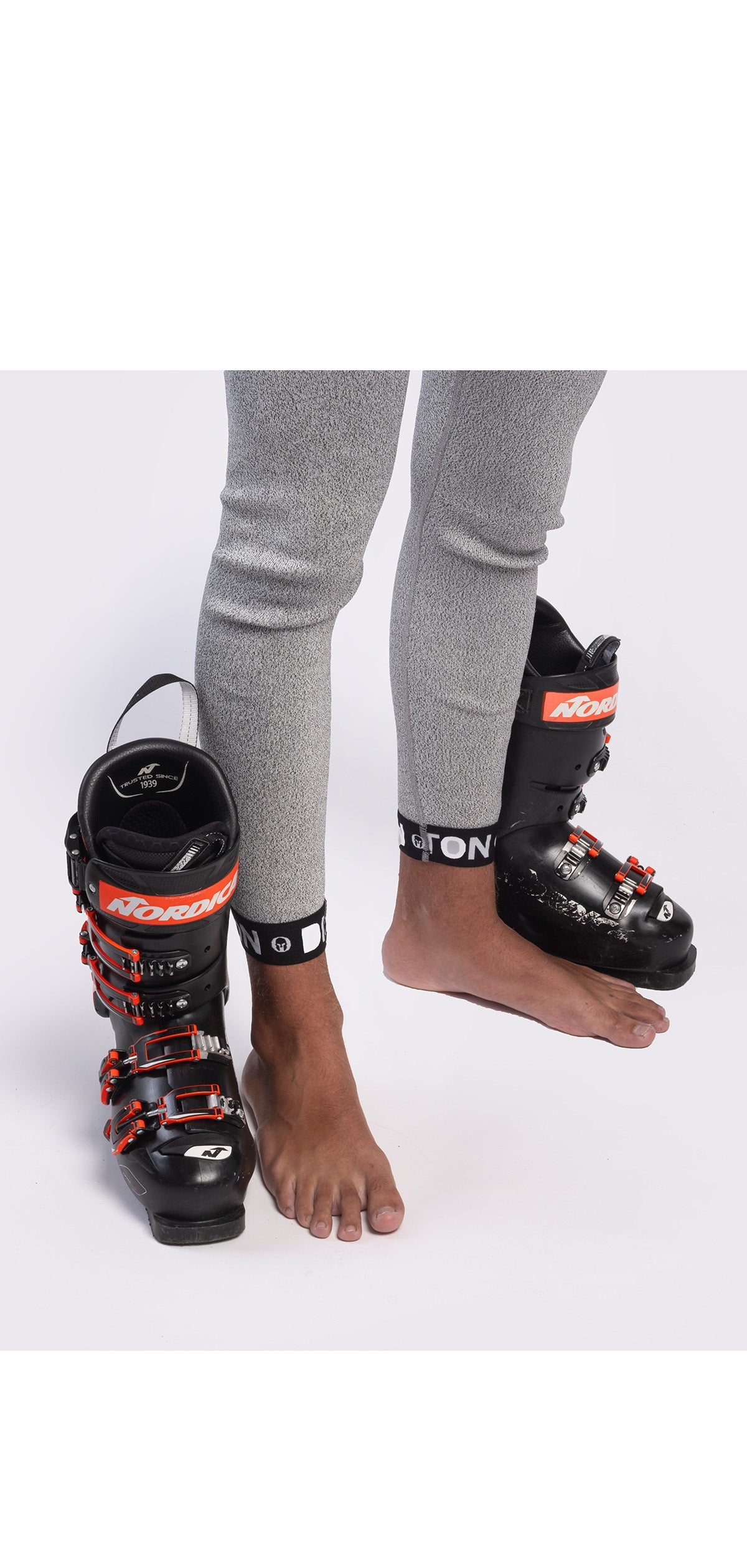
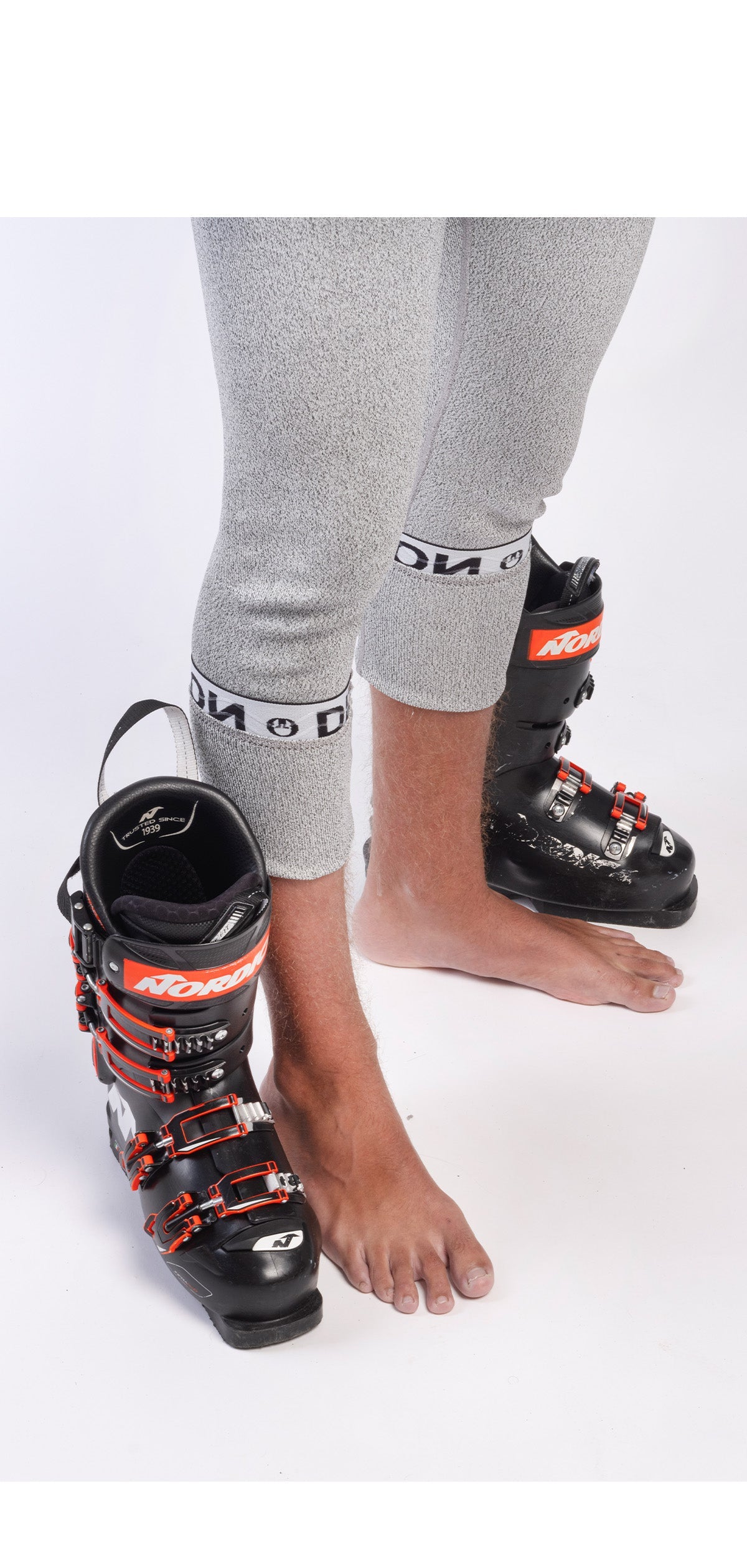
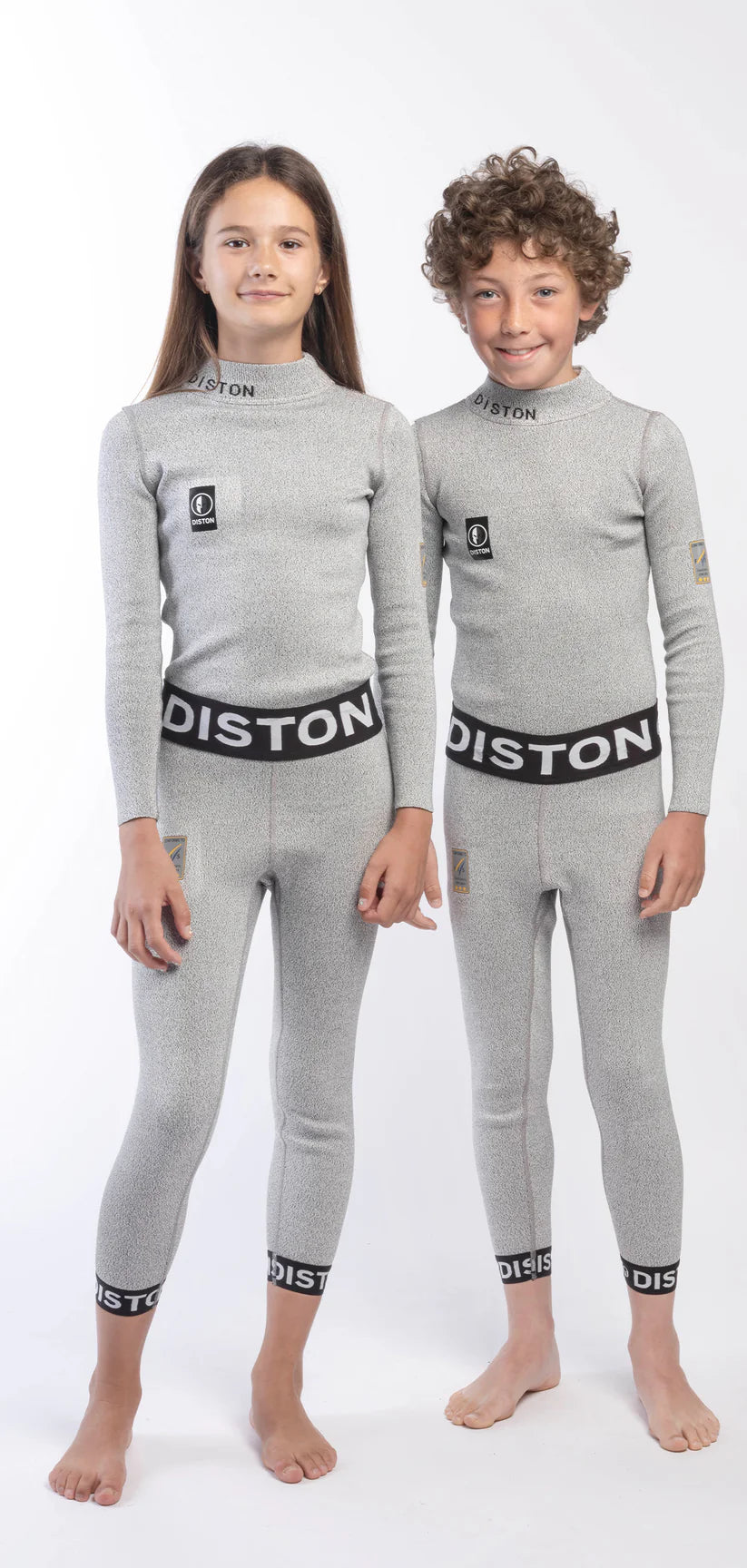
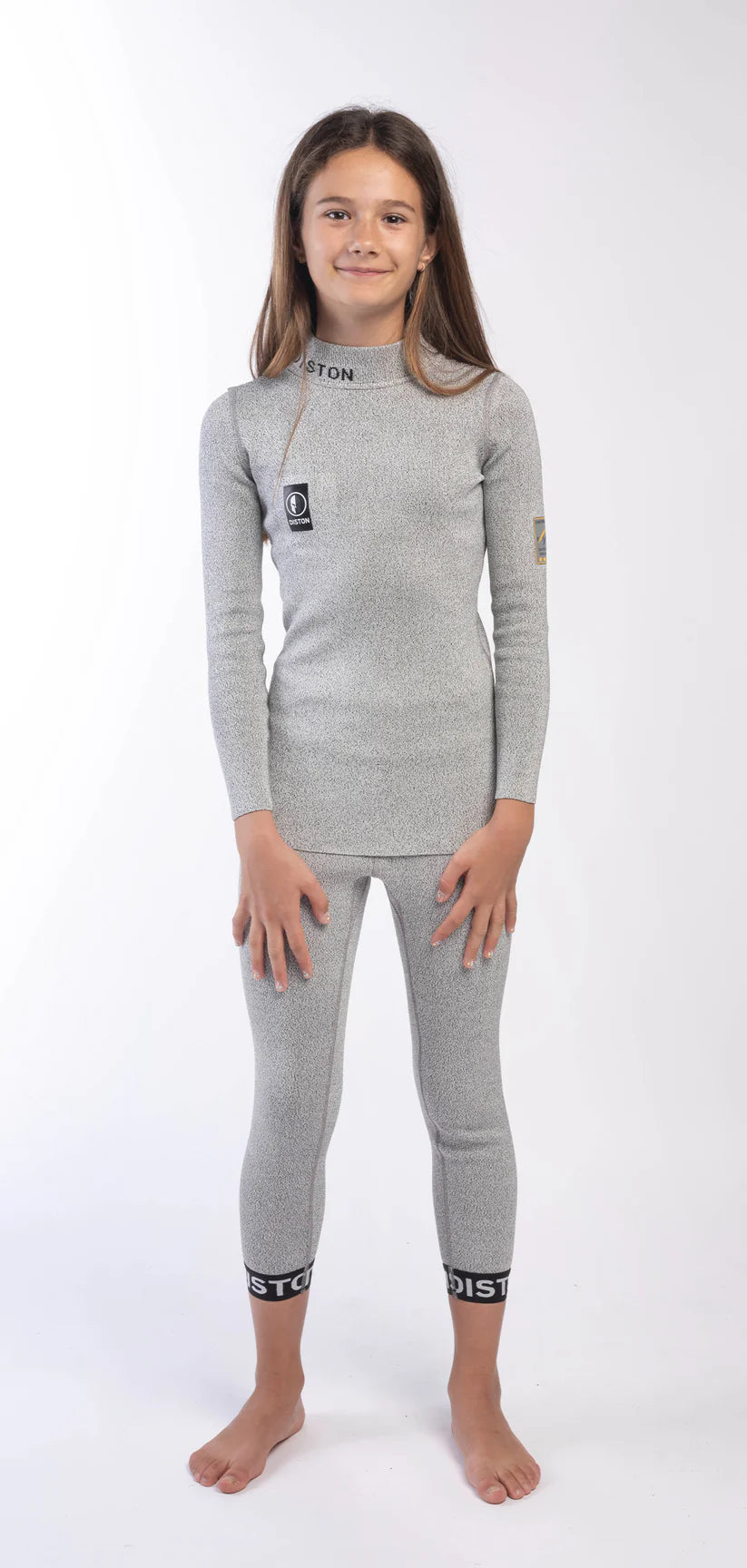
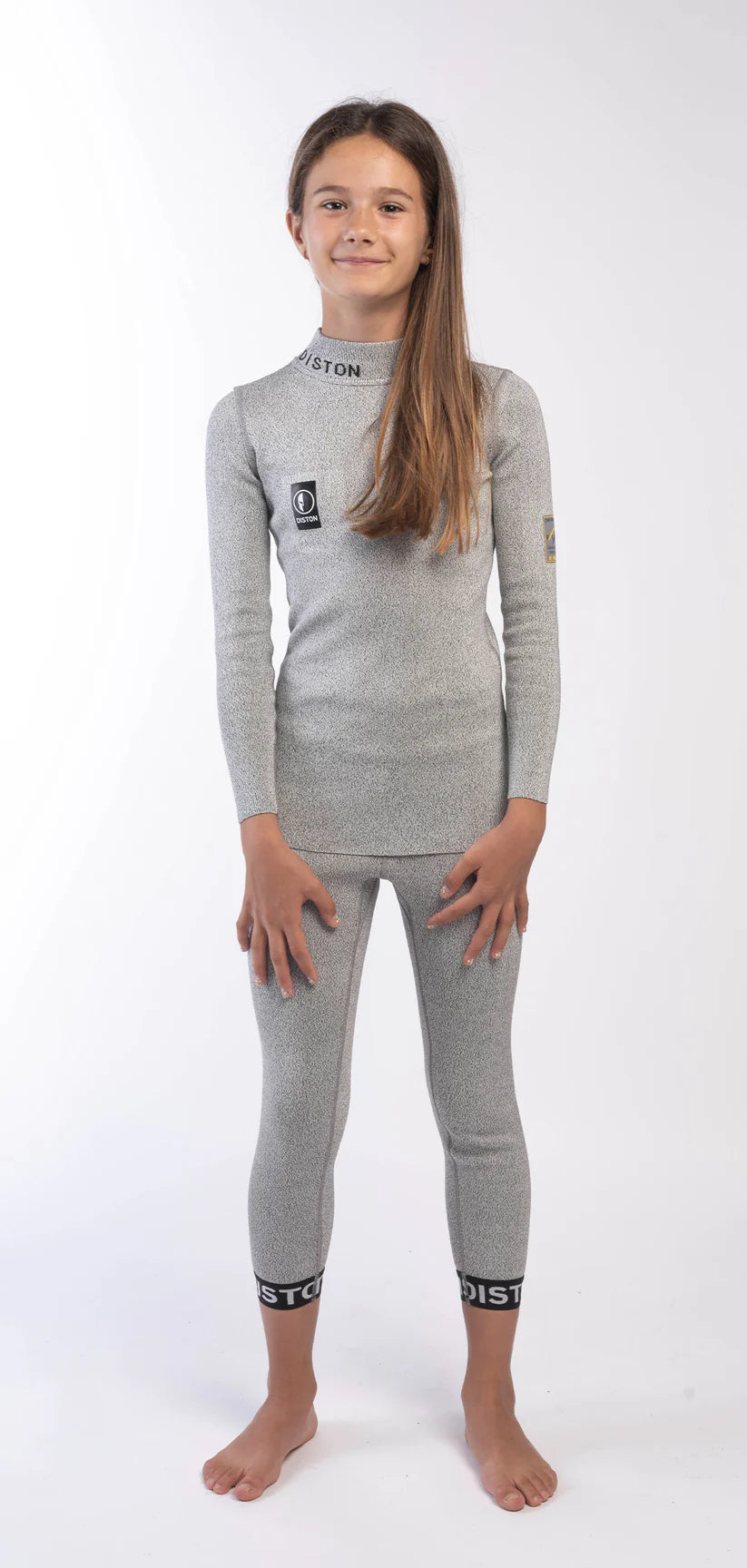
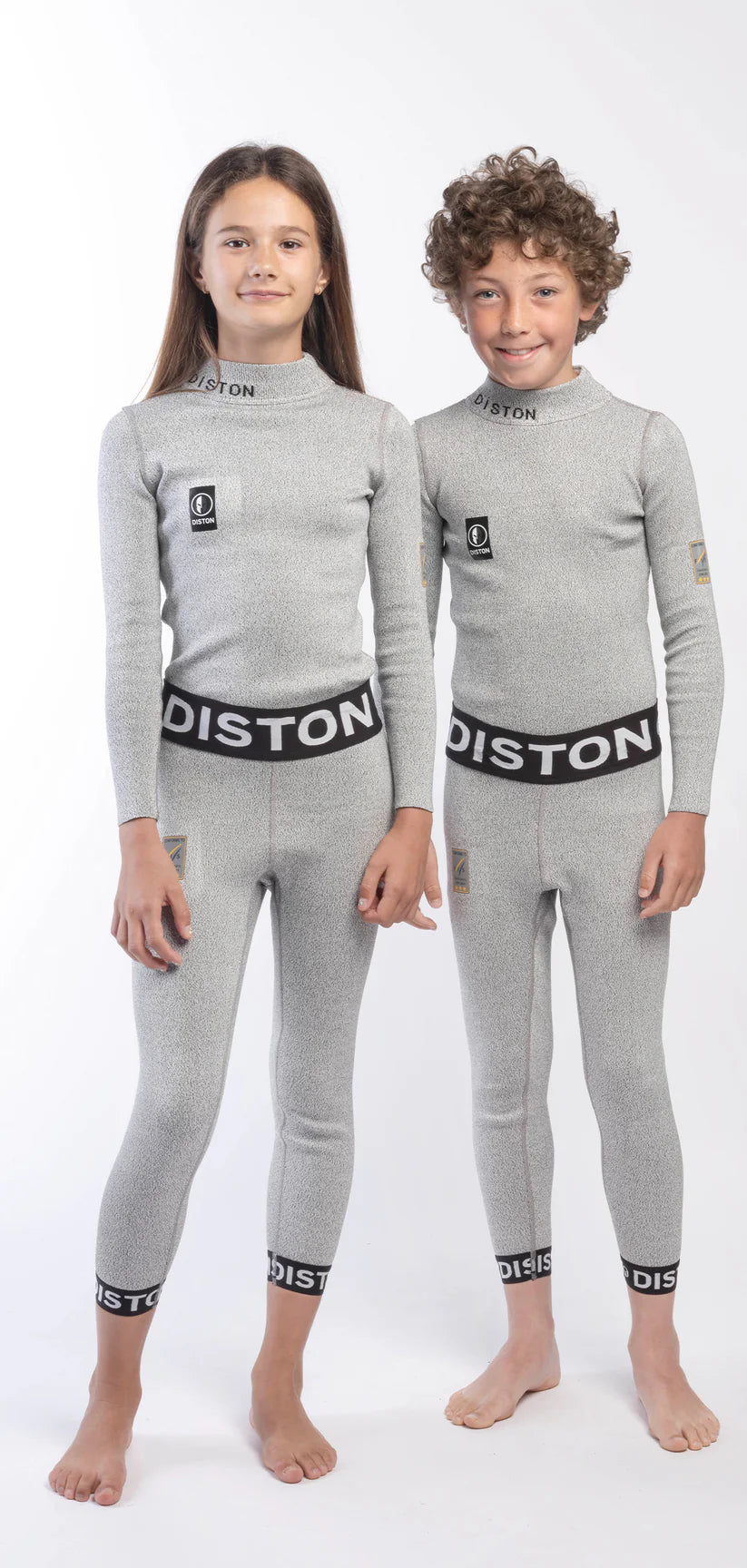
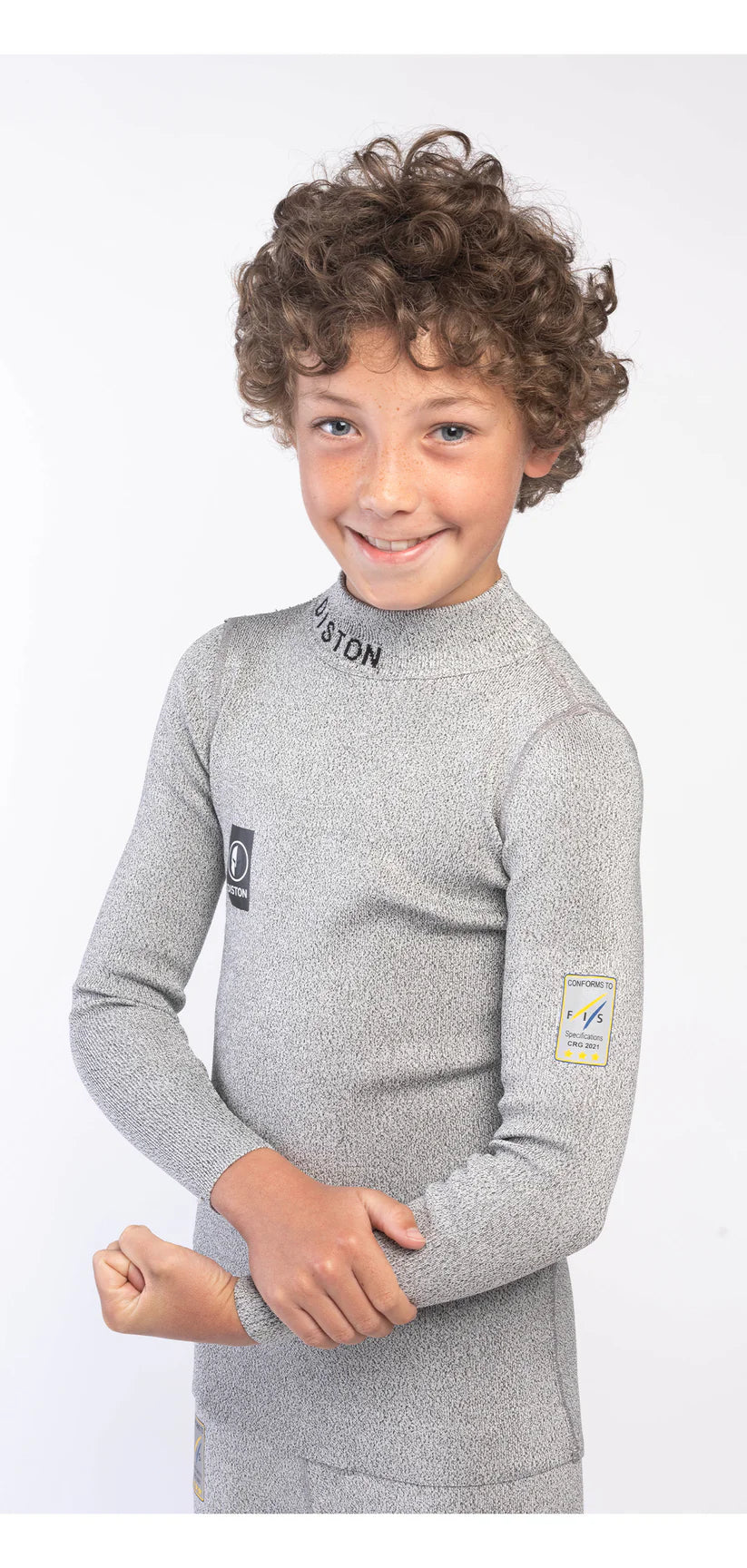
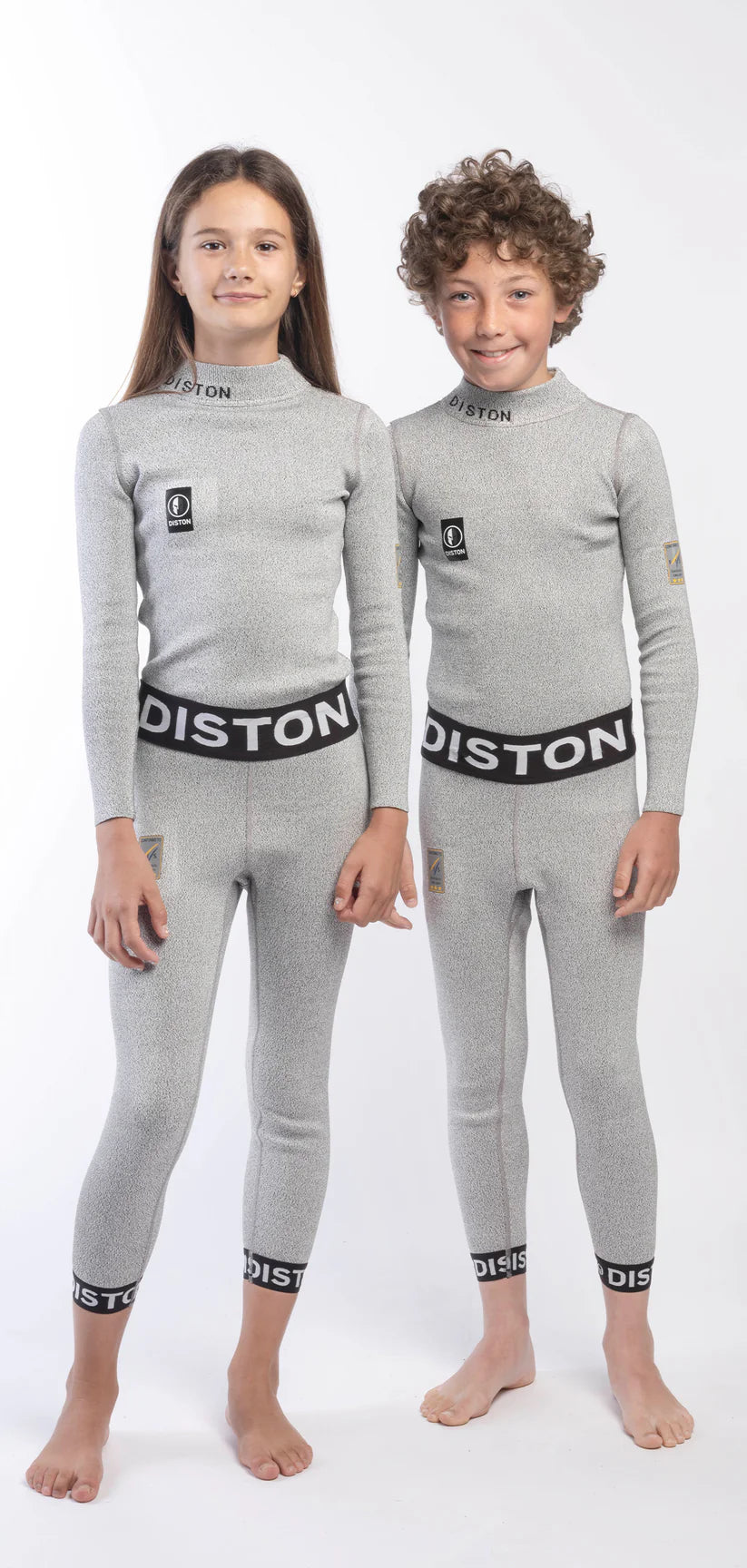
Cut-resistant underwear should fit close to the body, avoid folds and cover the protected zones properly.
It does not replace a back protector, helmet or pole guards. It complements a modern alpine ski safety setup.
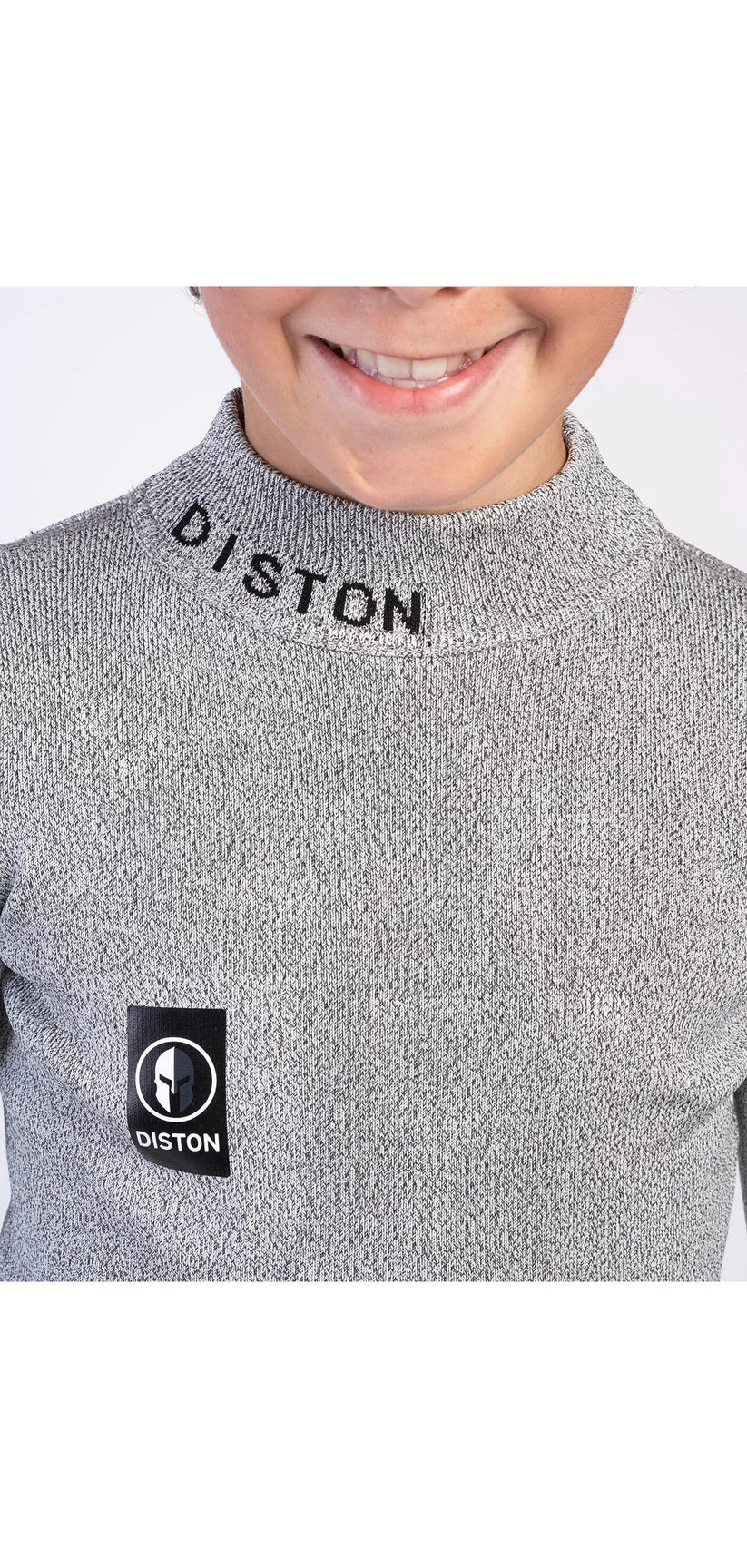
Cut-resistant underwear is now part of modern safety equipment in alpine skiing and is becoming increasingly important, especially in racing. It offers additional protection against injuries from sharp ski edges and helps athletes to be on the slopes with more safety and confidence. At SF Sports, you will find high-quality protective clothing from renowned brands such as Diston and Energiapura for training, competition, and ambitious skiing.
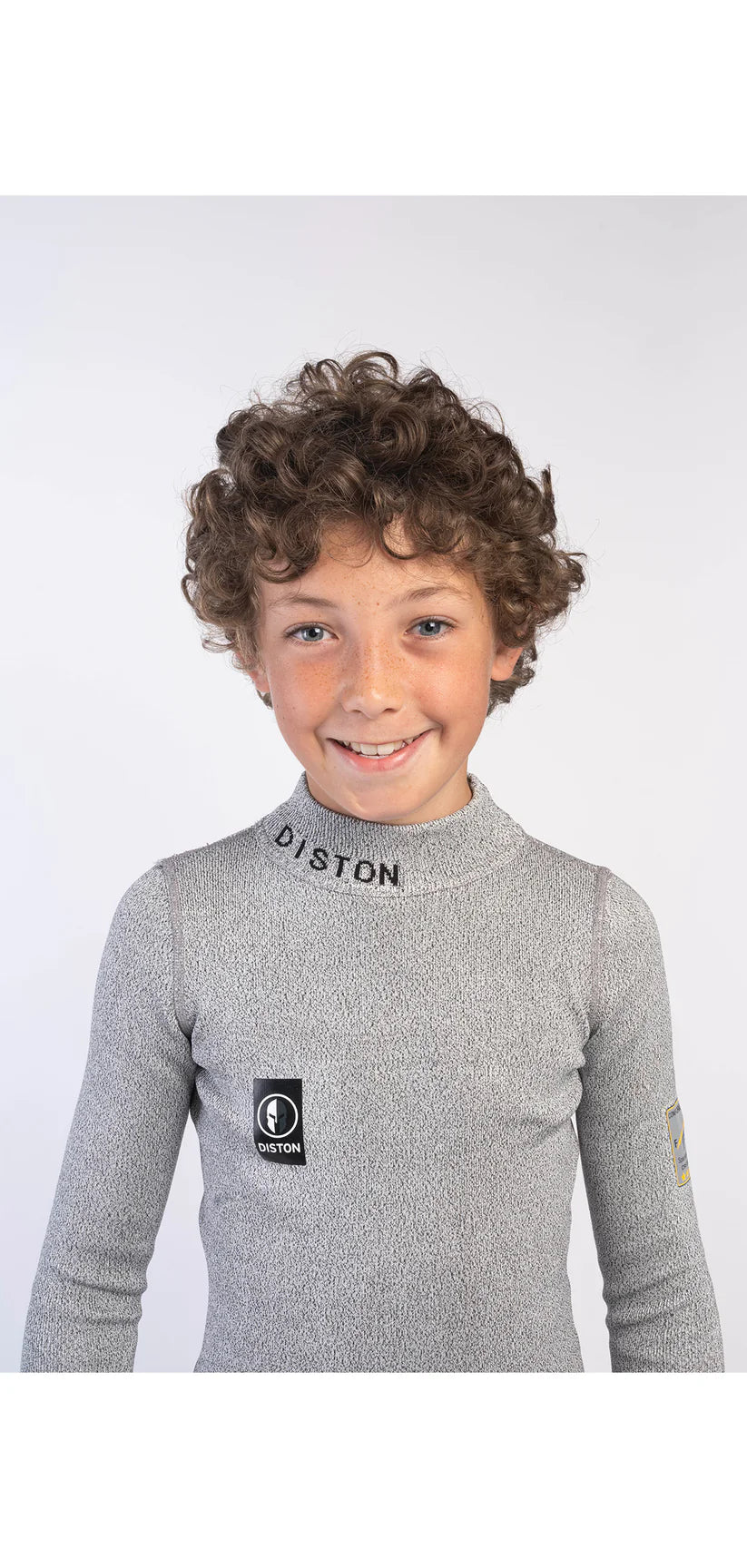
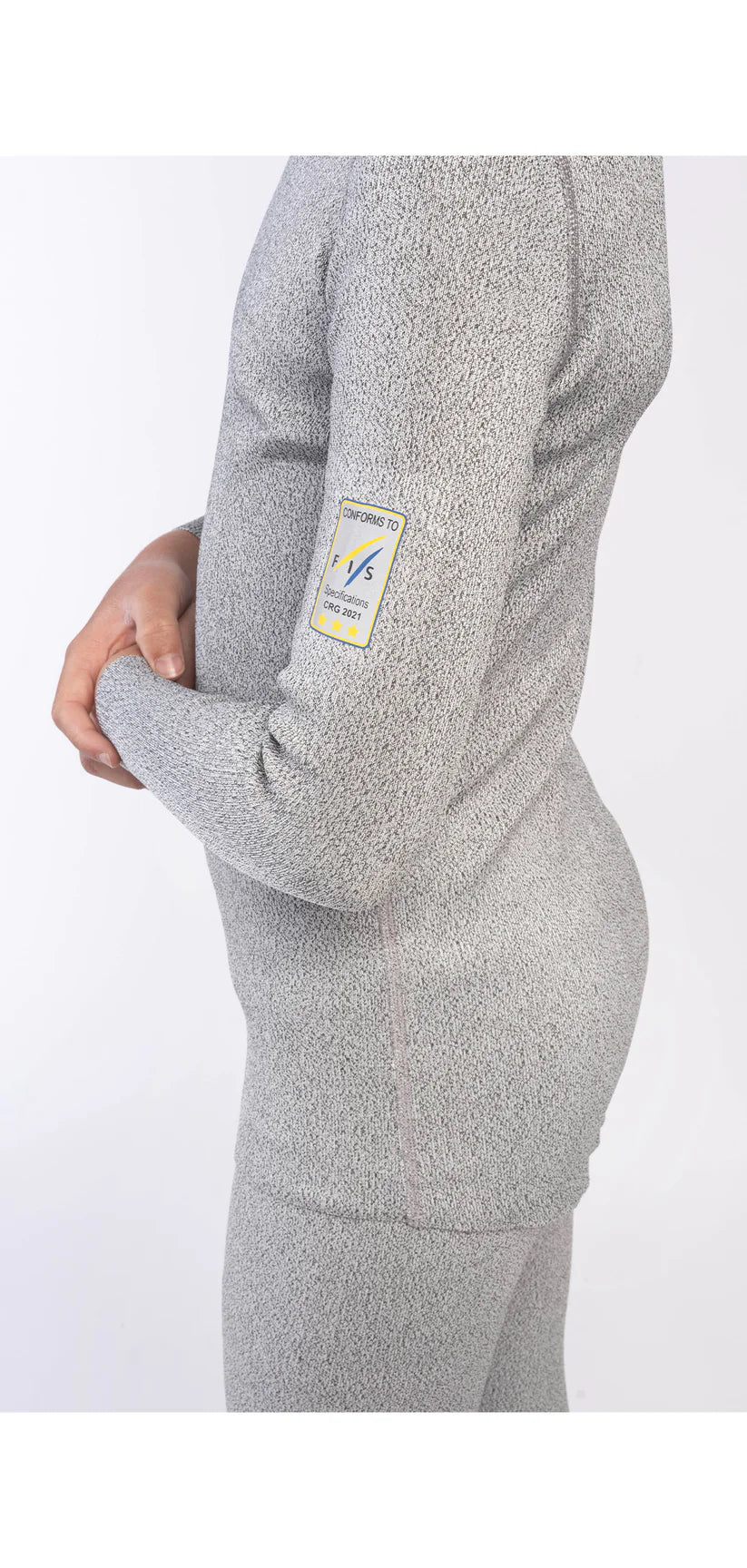
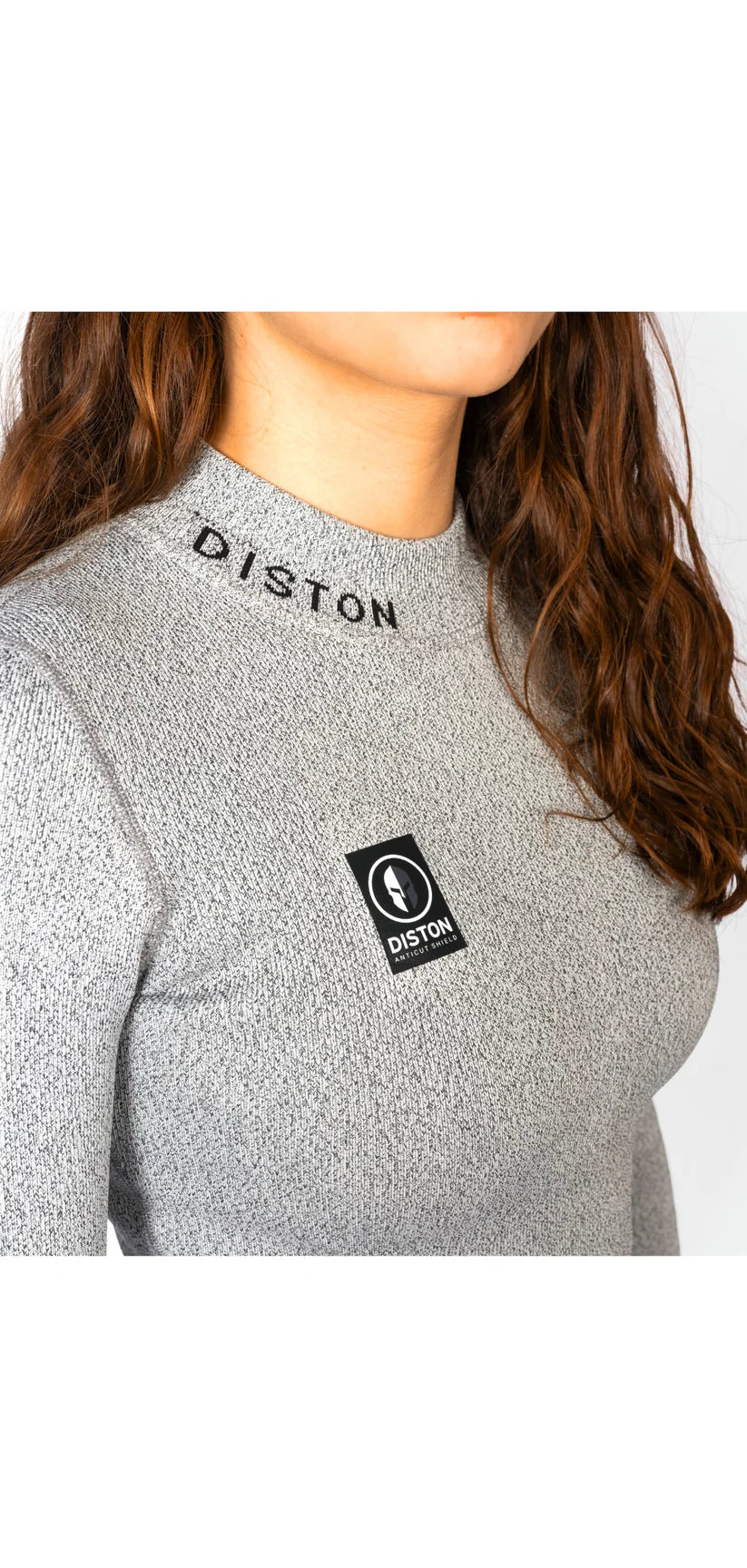
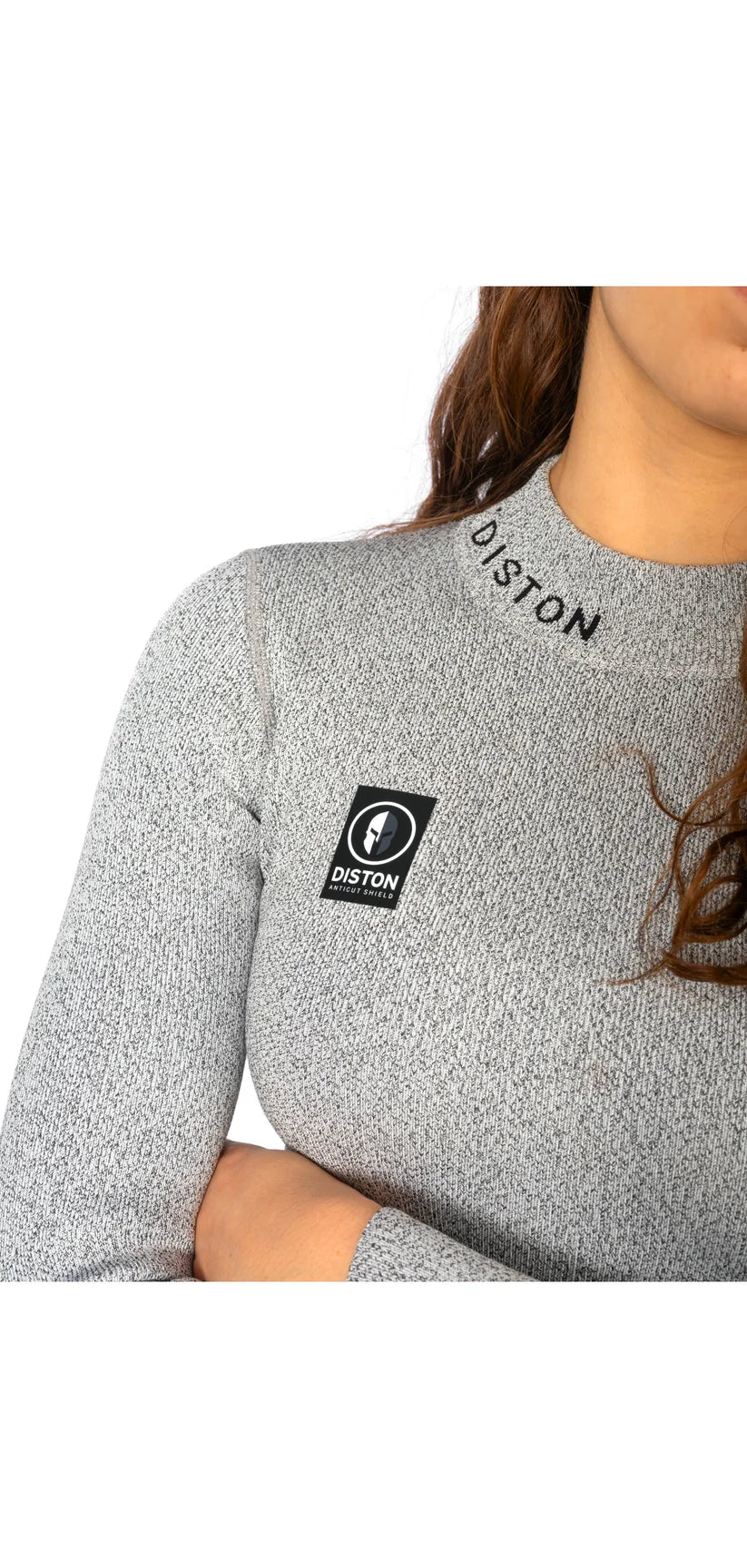
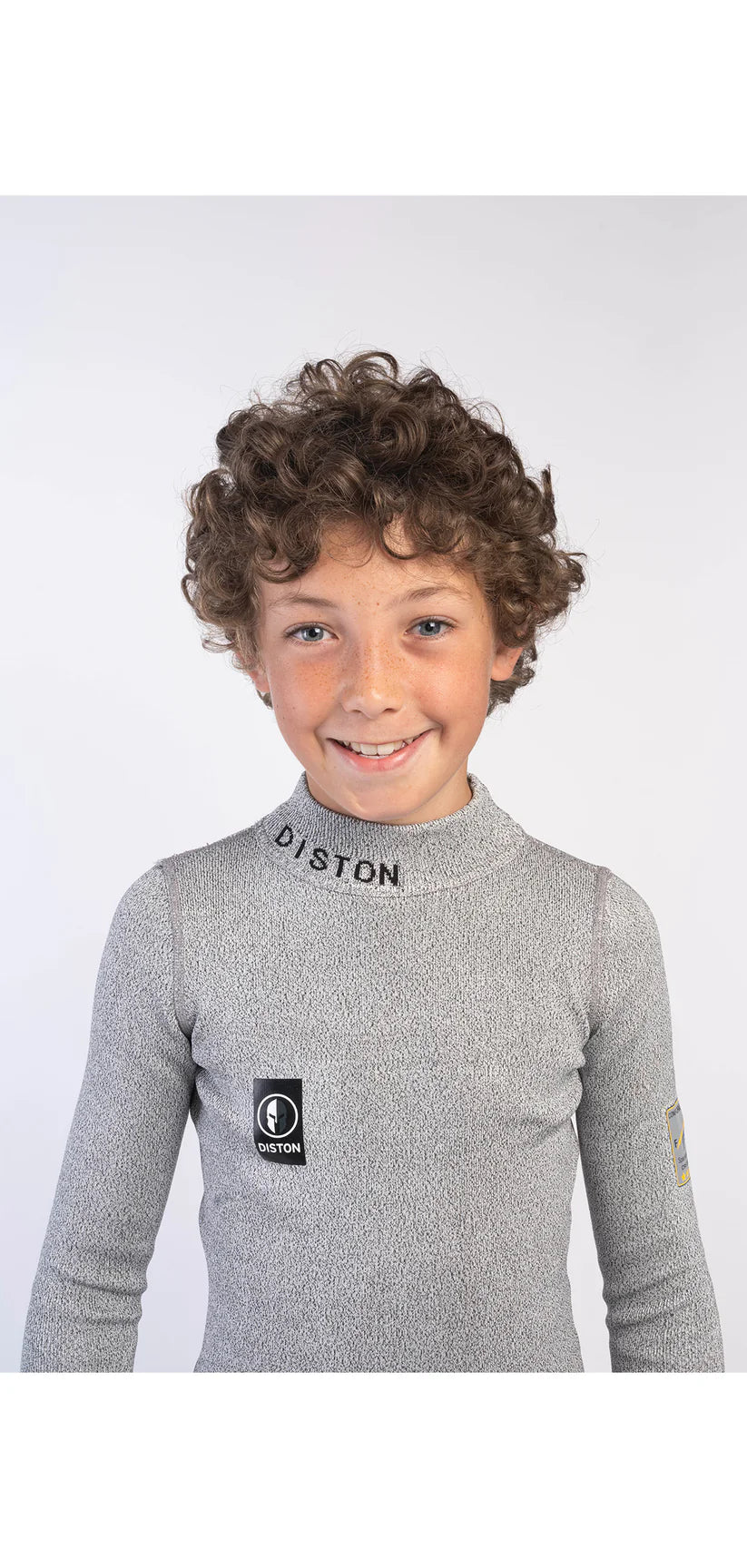
Modern ski underwear combines functional materials with integrated protective fibers, thus offering a high degree of safety without restricting freedom of movement. The close-fitting design ensures that the clothing can be worn comfortably under race suits, ski pants, or other protective equipment.
Especially in racing and demanding alpine skiing disciplines, cut-resistant underwear is an important component of a comprehensive safety concept. In combination with a protector ski system and other protective clothing, it helps to reduce the risk of injury in falls or collisions.
In addition to the protective aspect, modern models impress with high wearing comfort and functional properties. Breathable materials support a pleasant body climate and effectively wick moisture away. This means that the underwear remains comfortable to wear even during intensive training sessions and long competition days.
Brands like Diston and Energiapura develop their products specifically for the demands of racers and ambitious winter sports enthusiasts. The combination of protection, comfort, and freedom of movement makes the products the ideal choice for anyone who values high-quality safety equipment.
Whether you are a young athlete, an ambitious racer, or a professional ski racer – cut-resistant underwear offers an additional level of safety and perfectly complements existing protective equipment.
Discover high-quality cut-resistant underwear for alpine skiing and racing now and start the winter season optimally protected – with professional protective clothing from Diston and Energiapura at SF Sports.
Guide
At SF Sports you find cut-resistant base layers for junior racers, clubs, performance-focused skiers and ski racers. Key points are protection level, intended use, fit and the combination with further protective equipment.
We look at cut protection as part of the full race setup: race suit, back protector, helmet, shin guards, pole guards and service setup.
FAQ
It is especially useful for ski racers, junior athletes, ski clubs and performance-focused skiers. In training and racing it adds protection against cuts from ski edges.
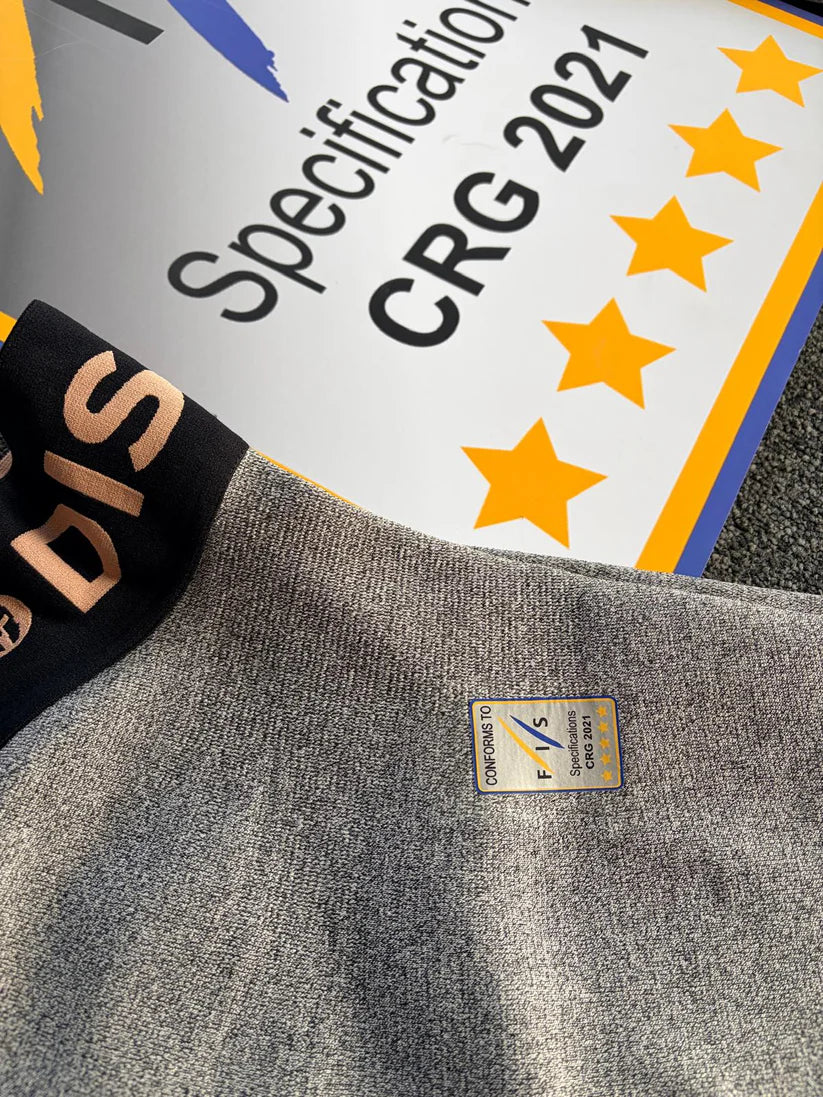
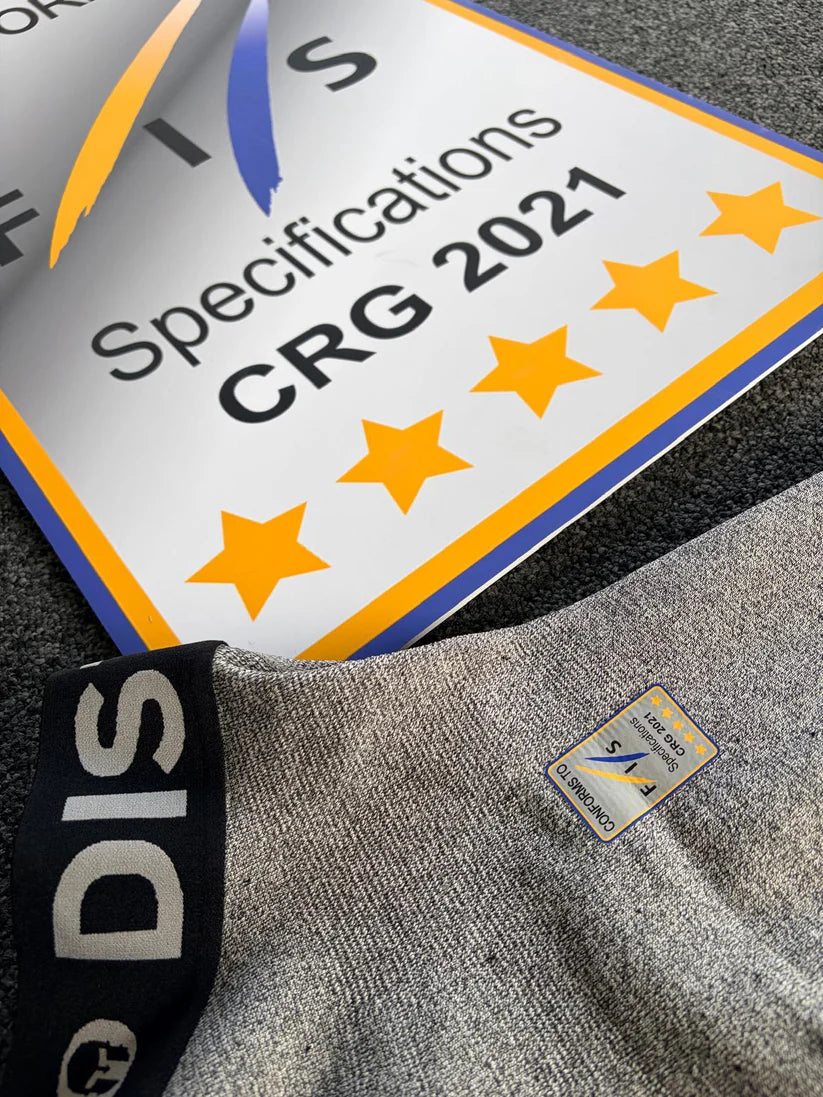
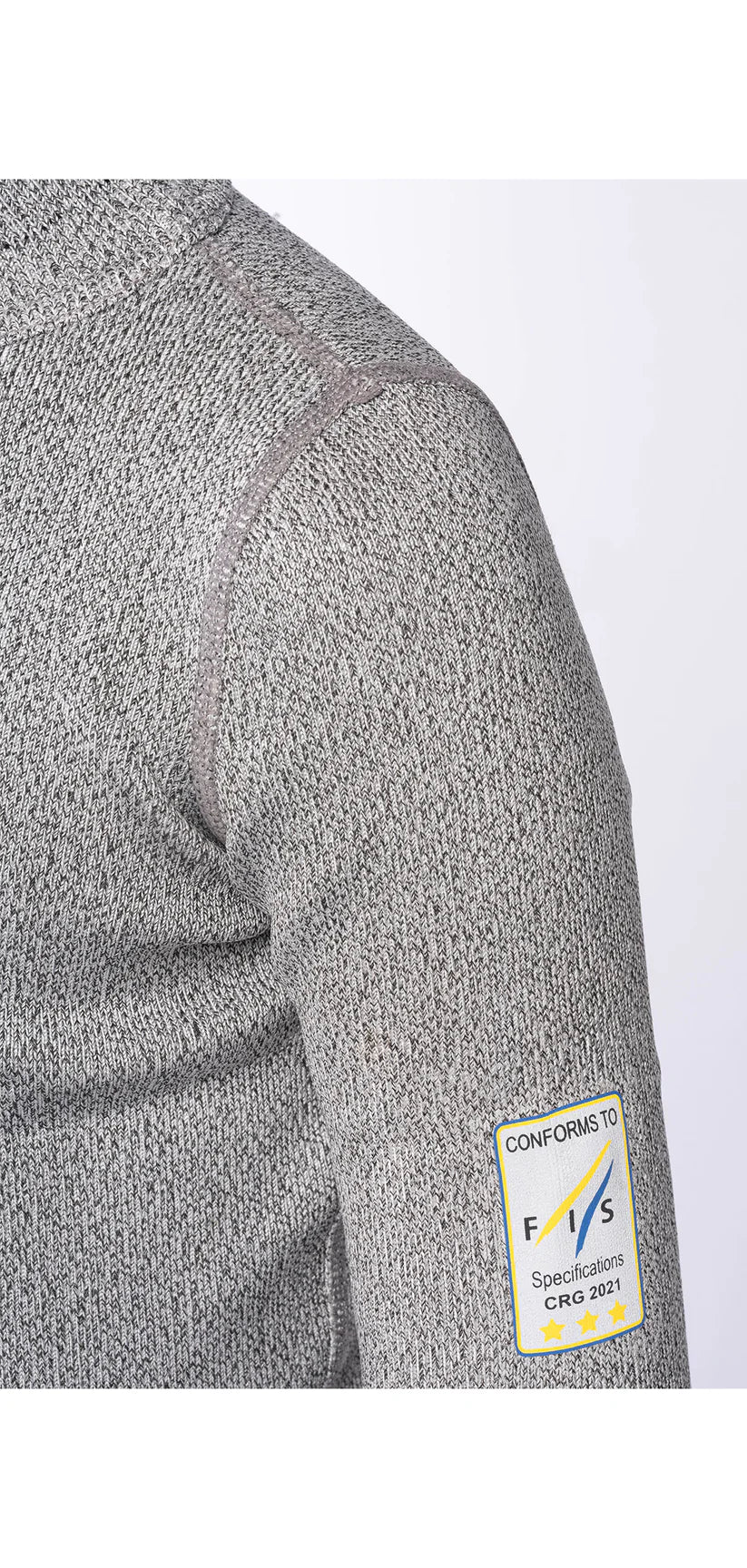
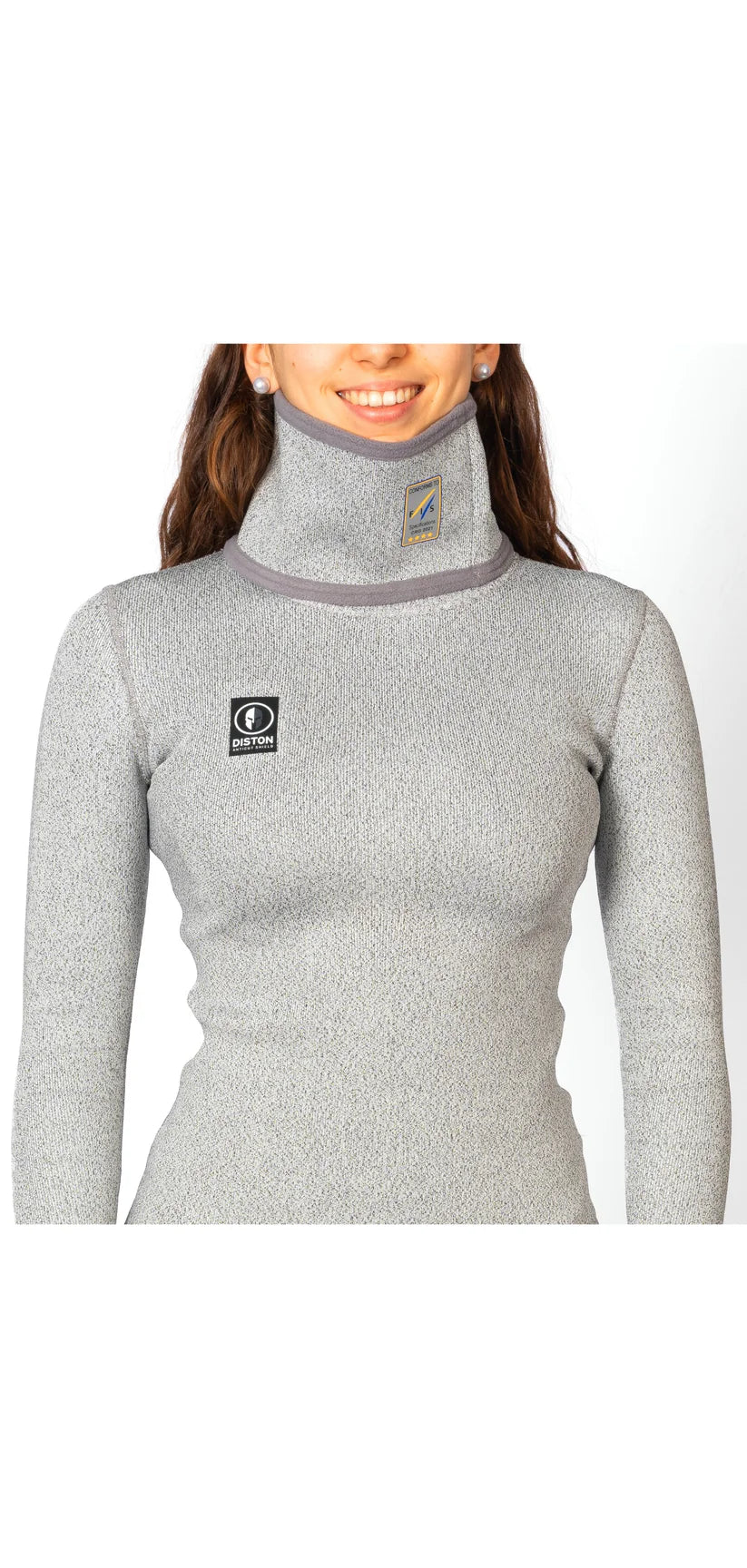
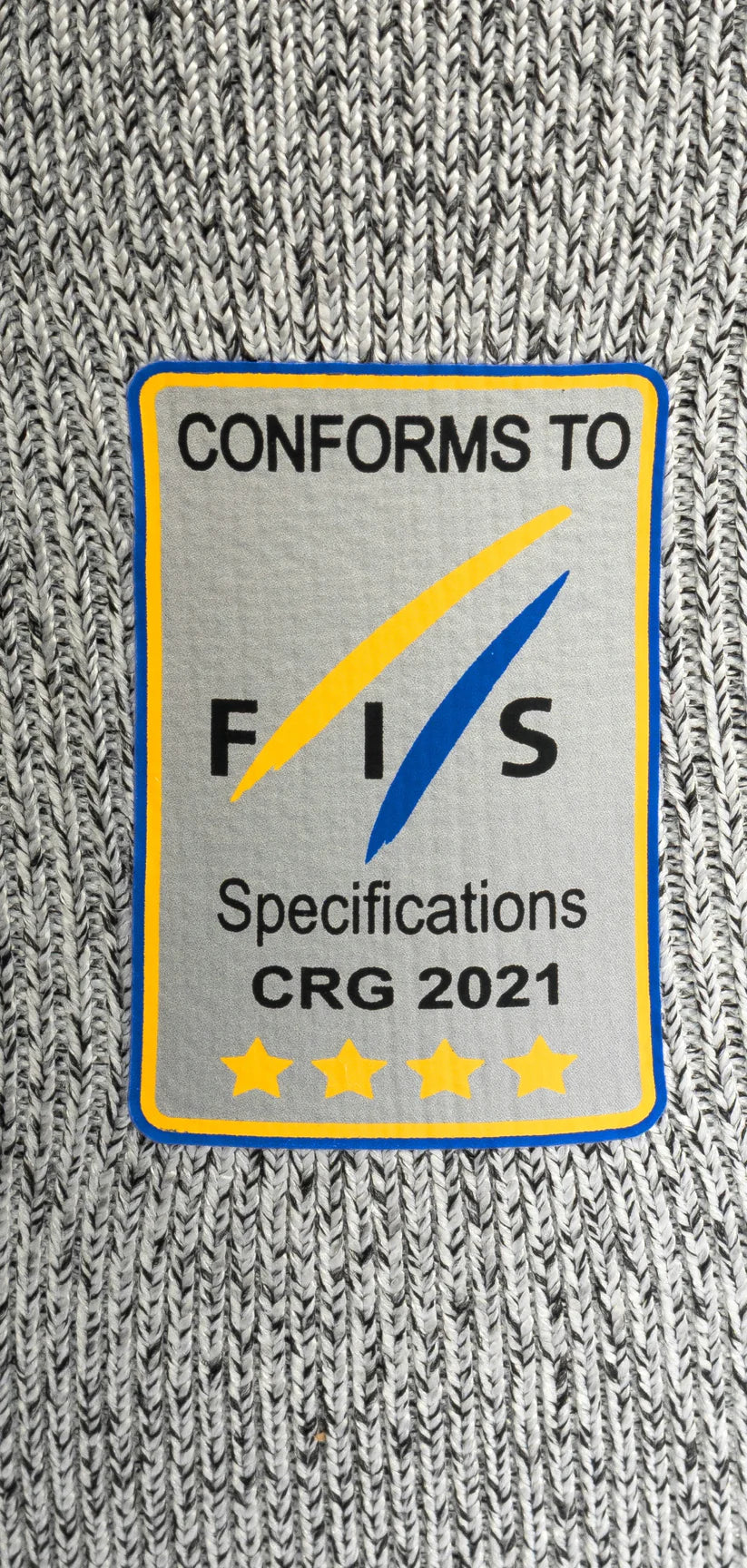
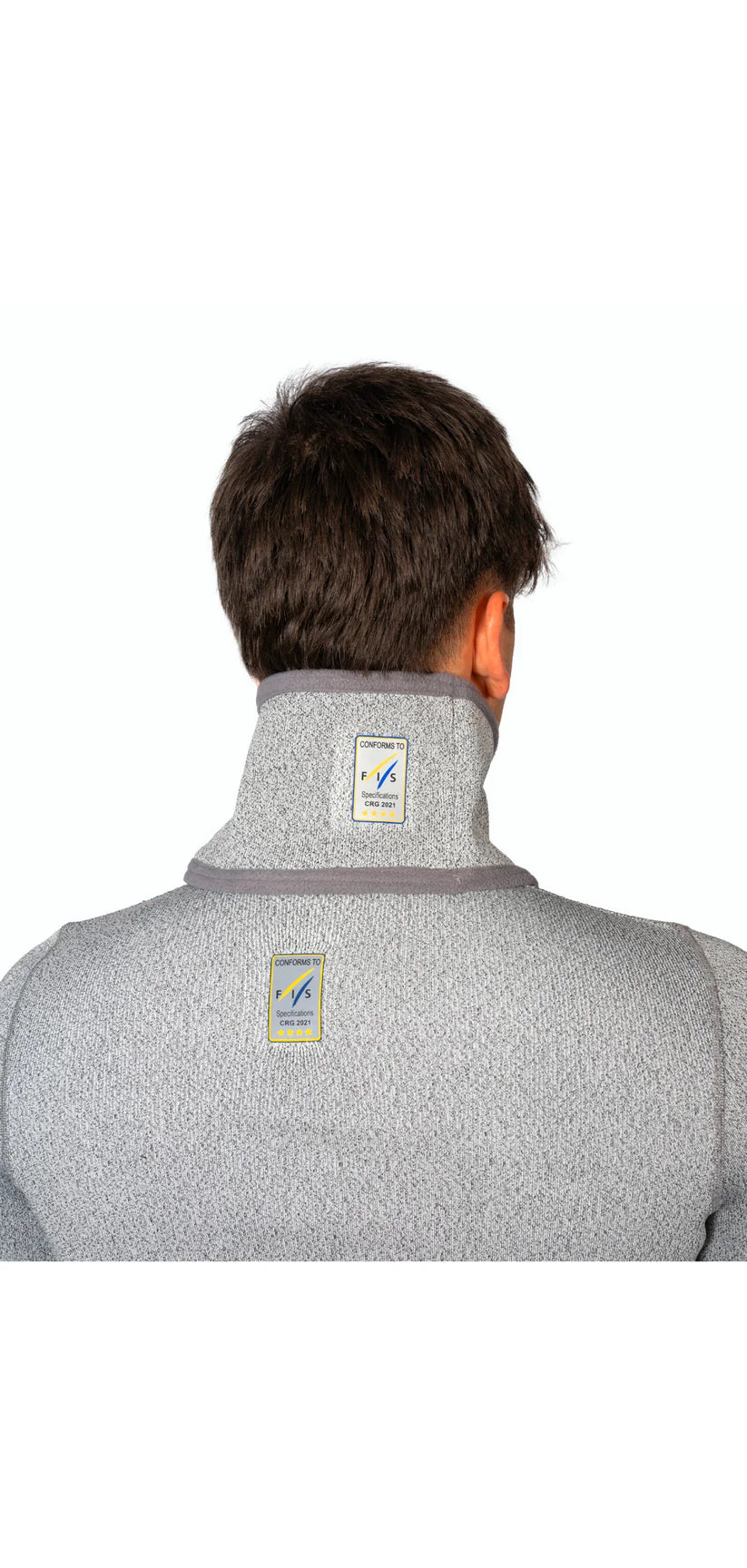
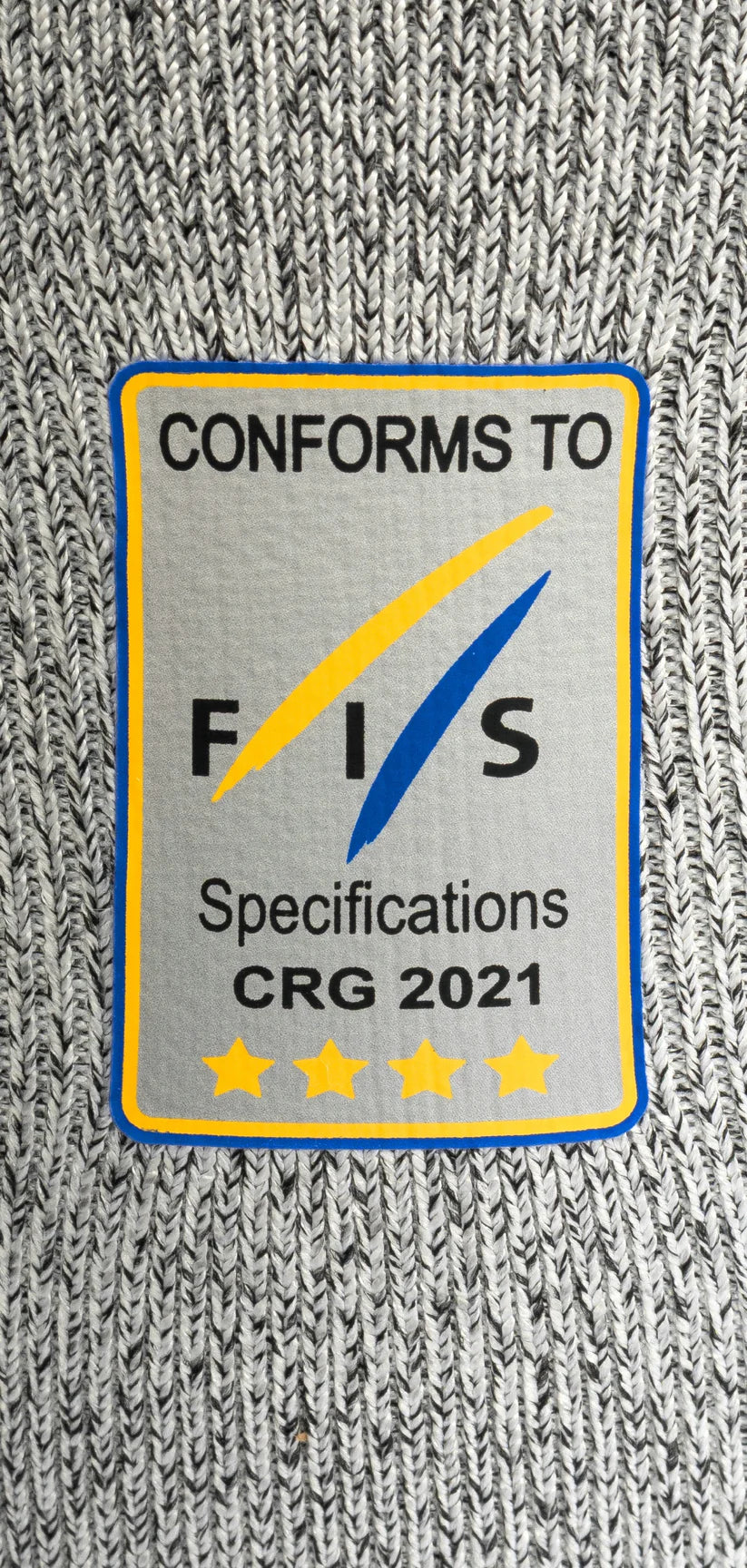
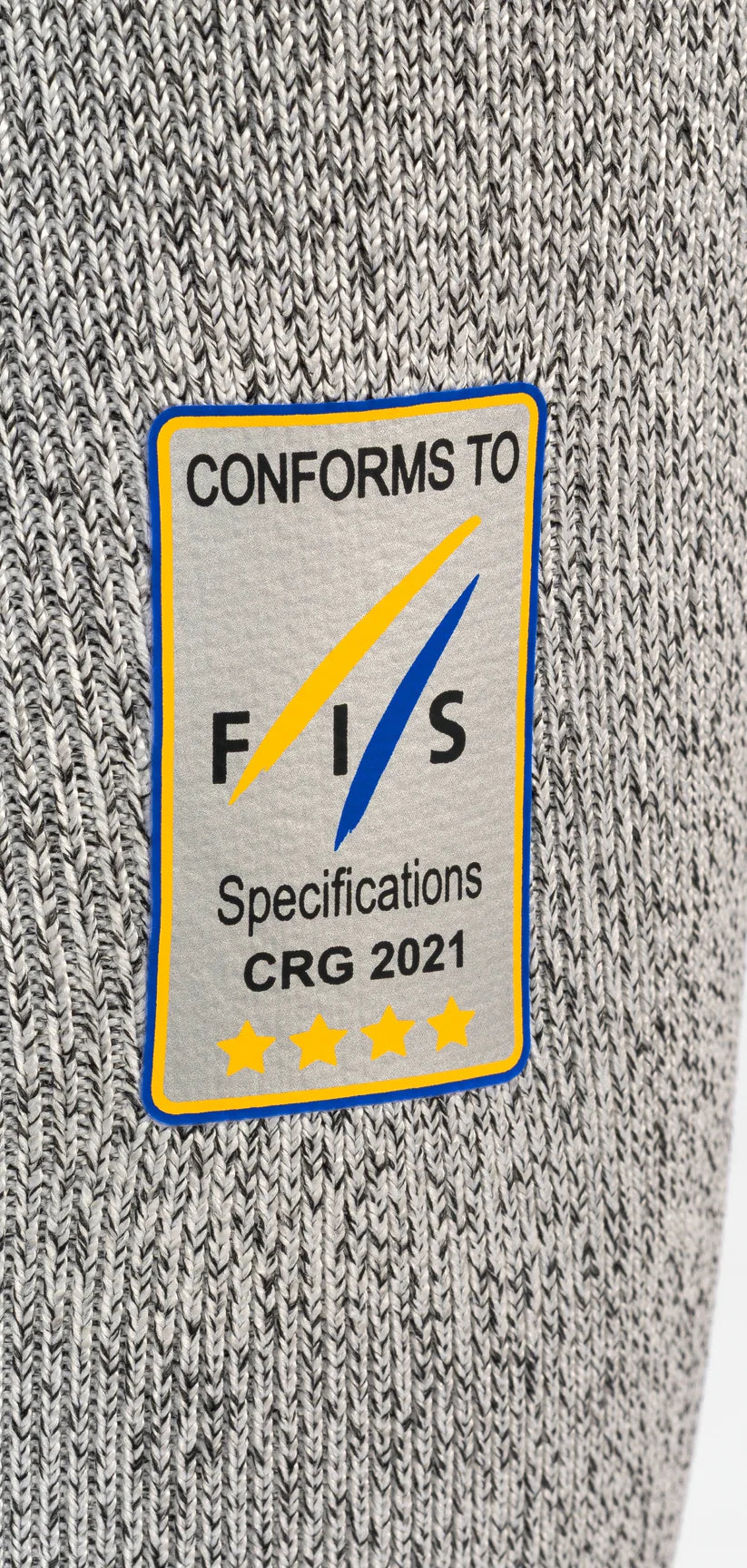
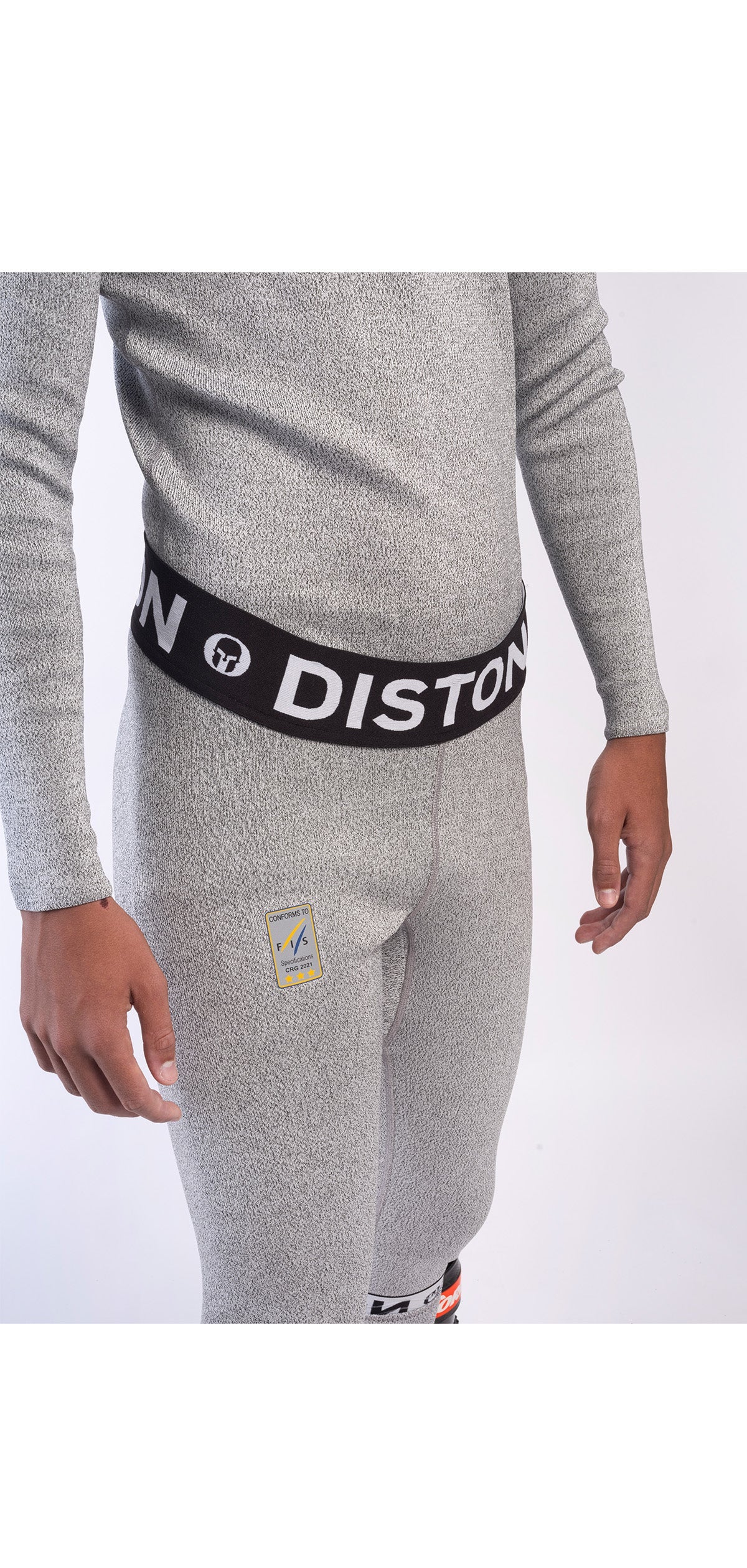
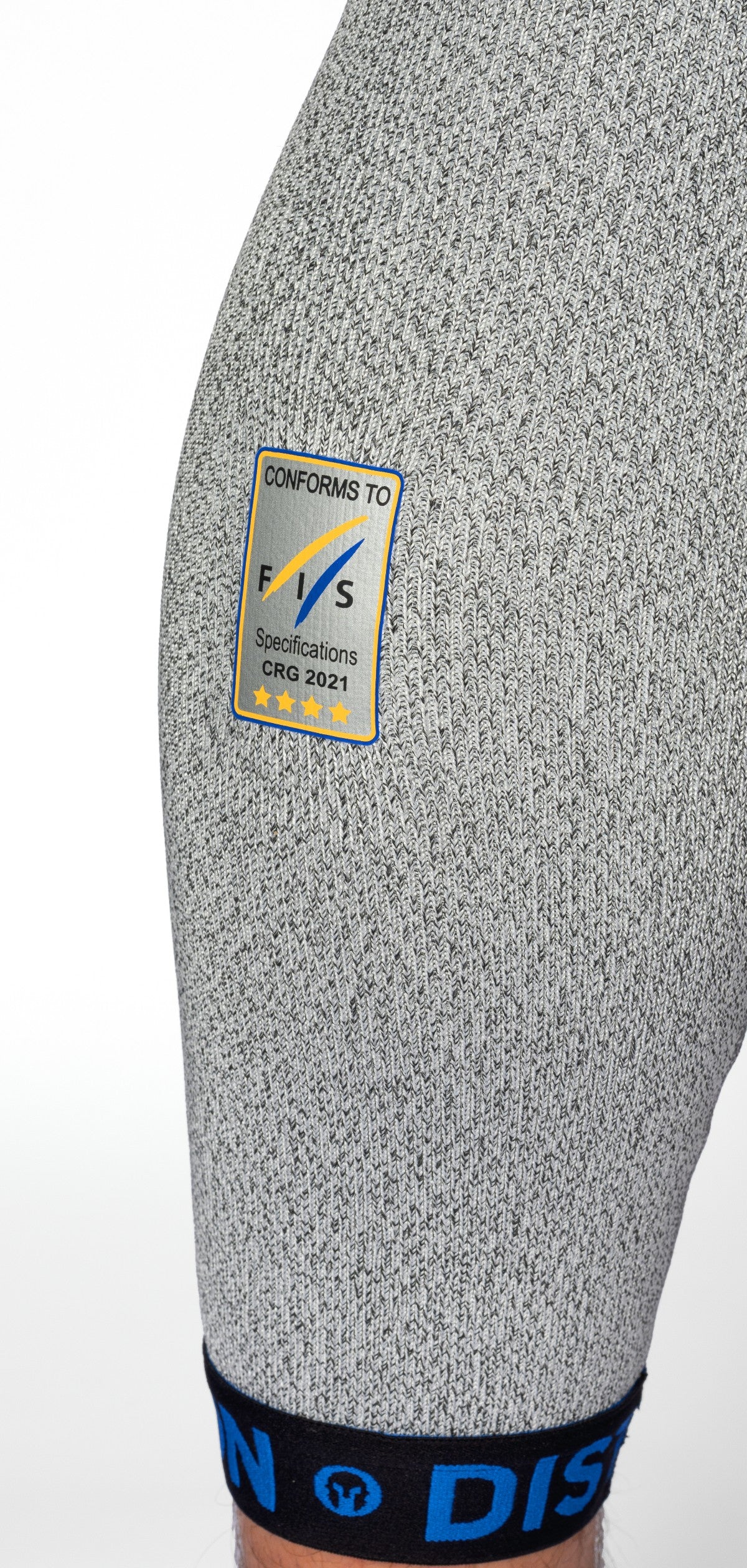
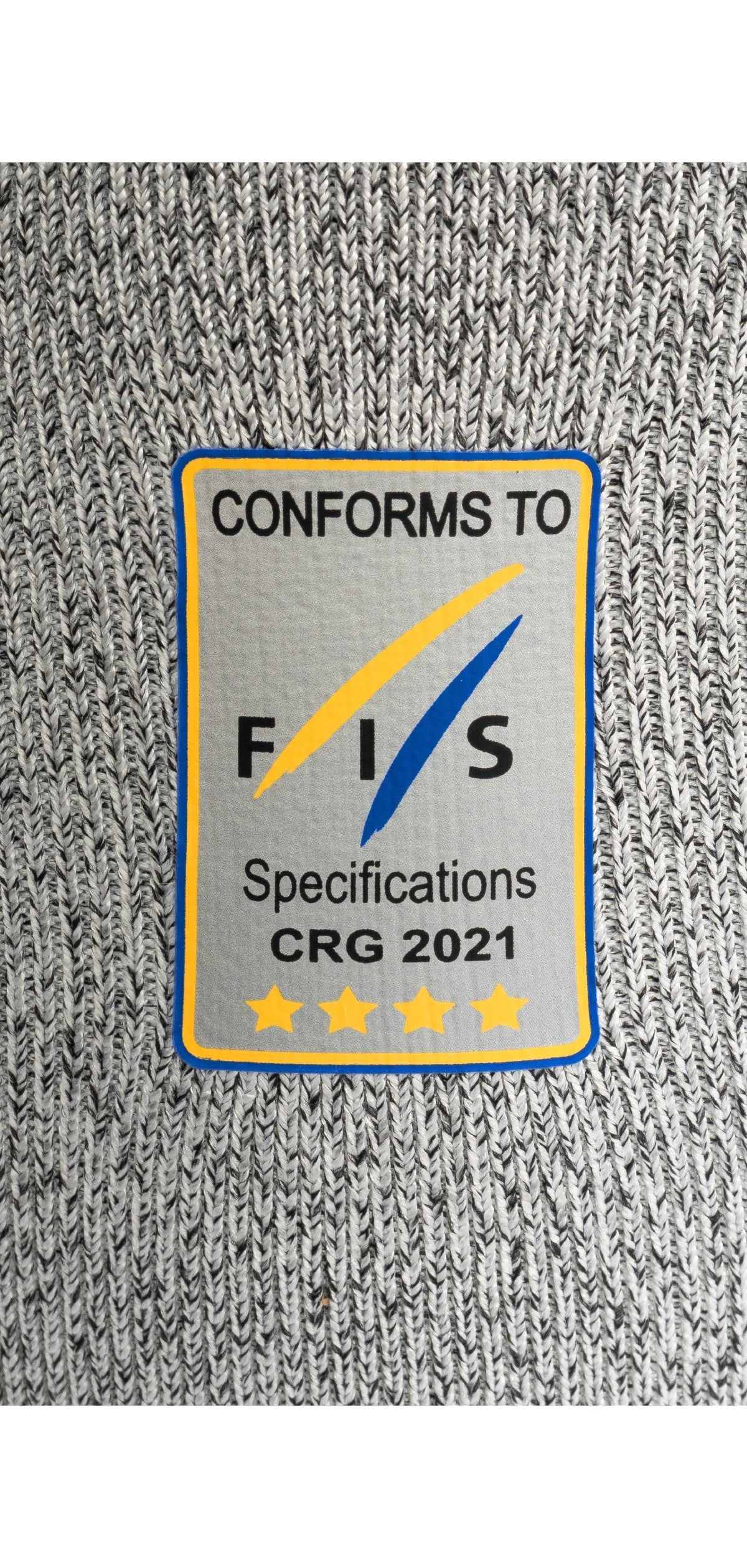
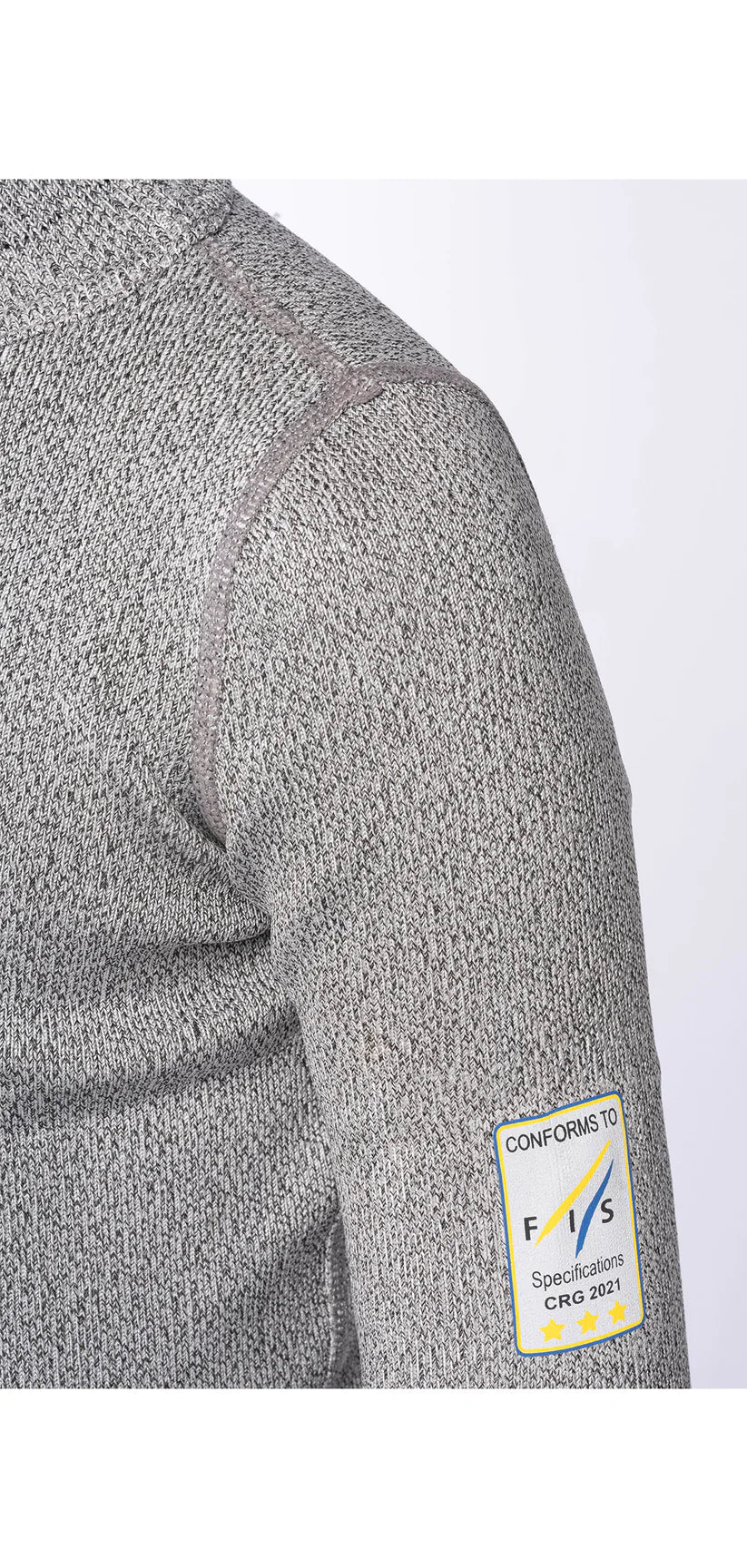
Specific FIS race categories have equipment requirements. Athletes should always check the current FIS rules, race invitations and federation information. Certification, protected zones and a permanent compliance label are important.
No. Cut-resistant underwear complements helmets, back protectors, impact guards and other protective gear. It helps against cuts, but not against every impact or rotational force.
It should fit close to the body, stay in place and avoid folds. Only a clean fit keeps the protected zones properly covered in a crash.